
India Shines Bright in Badminton at the Asian Games: A Historic Milestone and Emerging Talents
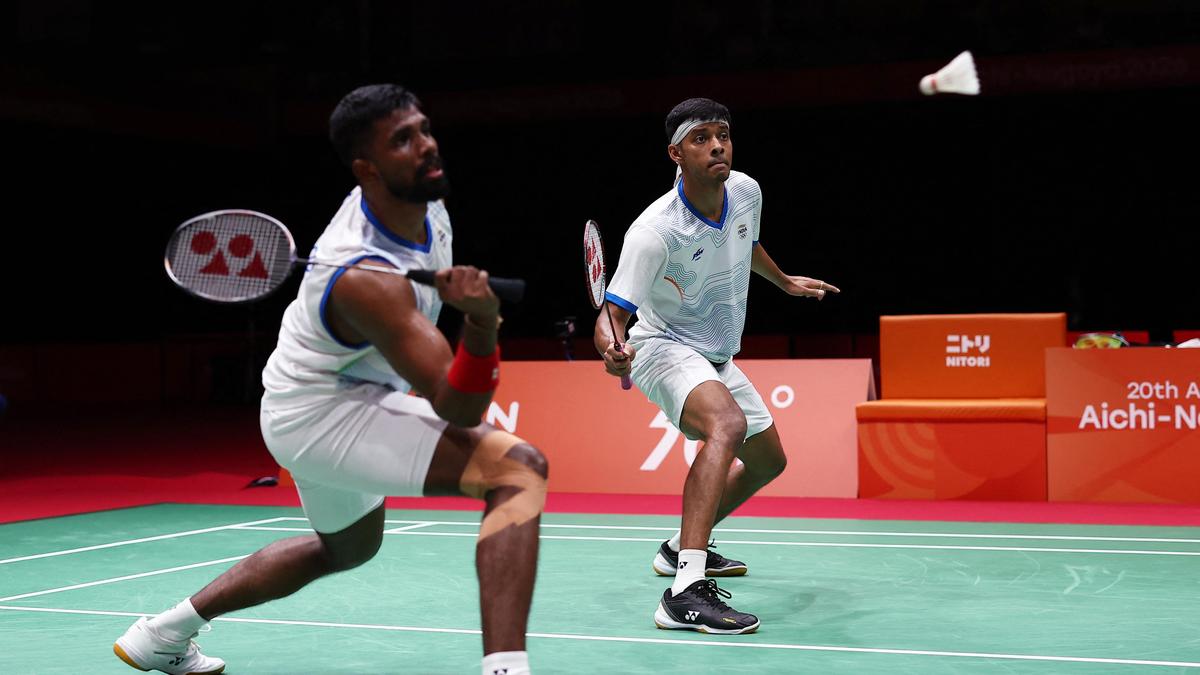
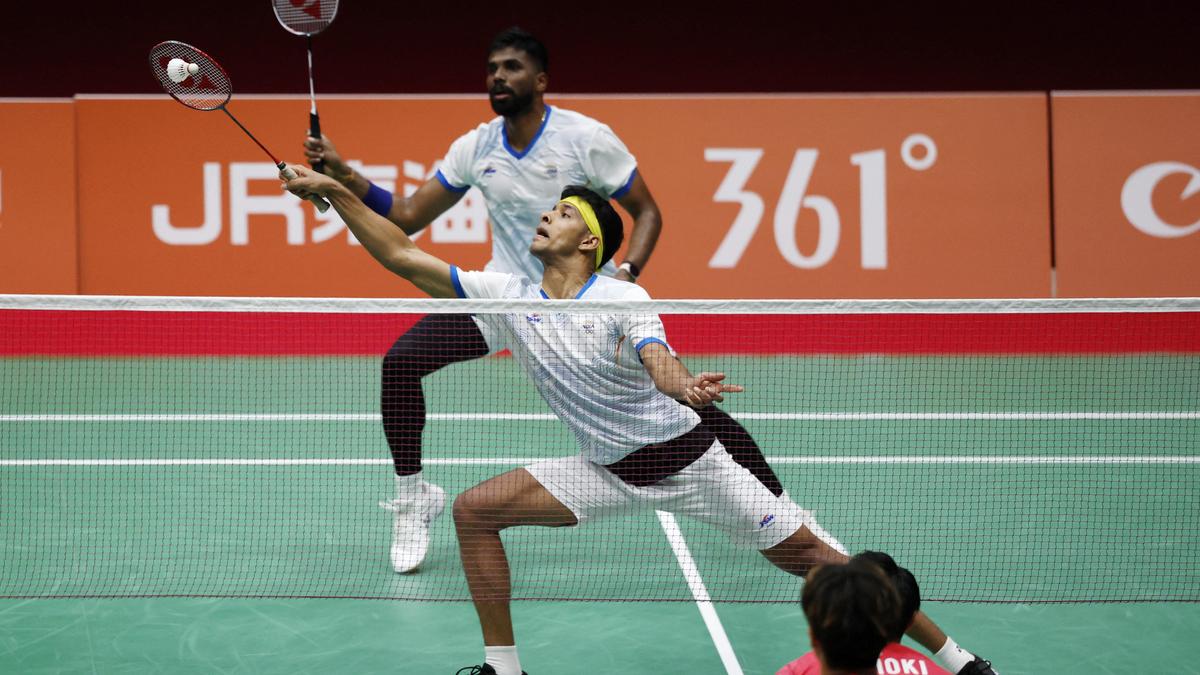
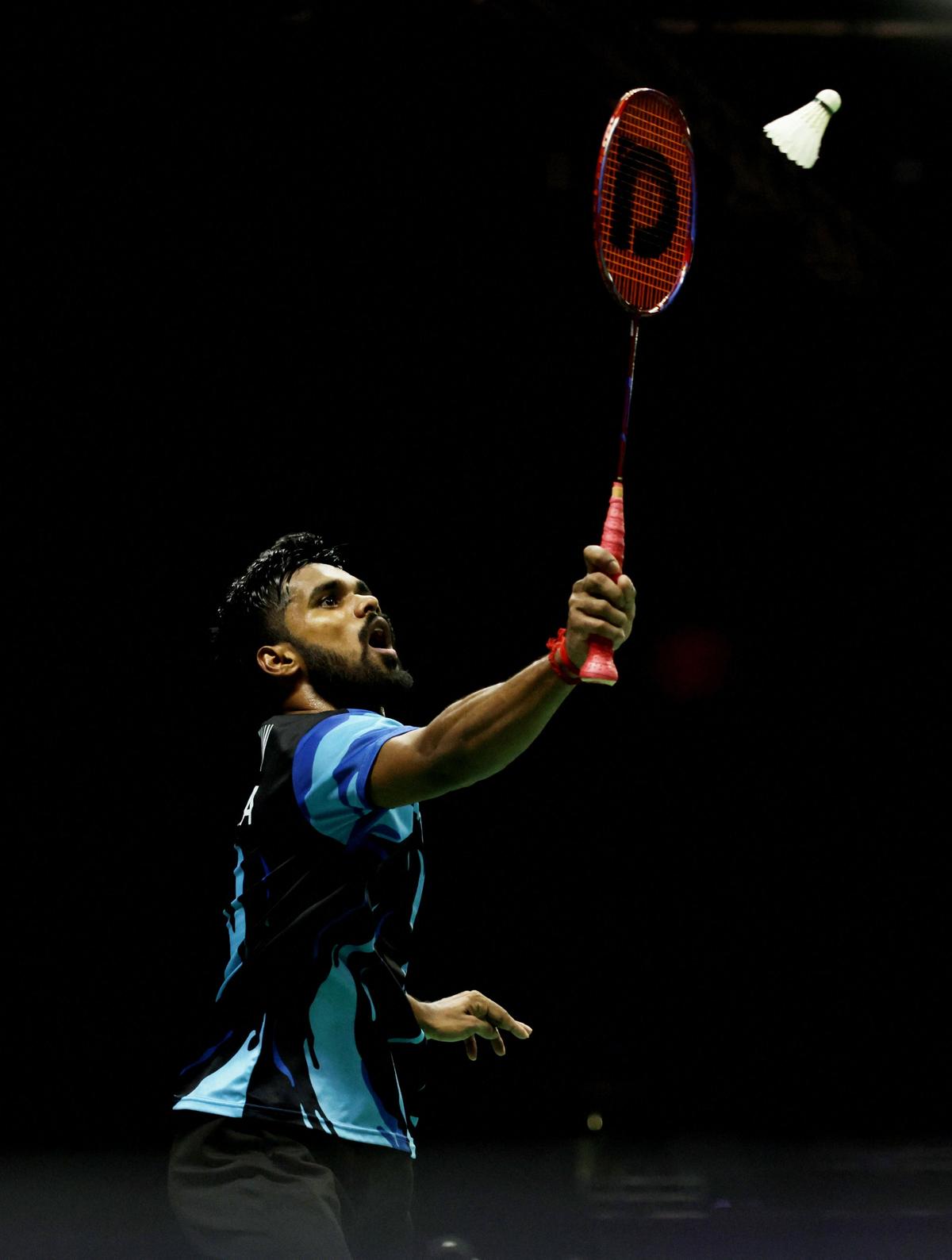
On a humid evening in Ichinomiya, Japan, the Indian men’s badminton team etched their name into history with a remarkable achievement at the Asian Games. Standing proudly with a bronze medal draped around his neck, Hariharan Amsakarunan exemplified resilience and talent, helping India secure back-to-back Asian Games team medals for the first time in four decades. This momentous feat not only rekindled national pride but also highlighted the growing strength of Indian badminton on the continental stage.
India’s Badminton Legacy Reignited at the Asian Games
India’s journey in badminton has seen a steady rise over recent years, culminating in this historic medal. The 2023 Asian Games marked a significant milestone, with Indian men’s team players including stars like Satwik–Chirag and Lakshya Sen demonstrating the depth of talent that the nation now boasts. Achieving a bronze medal in the men’s team event was more than just a podium finish; it was a testament to the perseverance, strategic grooming, and increasing competitiveness of Indian badminton athletes.
This accomplishment echoed the success of the 1986 Seoul Asian Games, where India last secured a similar medal in men’s badminton. The resurgence of Indian badminton is now being celebrated as a symbol of the sport’s evolving landscape, inspiring young athletes and encouraging investments in grassroots development.
Celebration and Recognition Back Home
Back in Chennai, the moment was met with widespread celebration across social media and government circles. Tamil Nadu Chief Minister C. Joseph Vijay took to X (formerly Twitter) to commend Hariharan Amsakarunan and his teammates, emphasizing the importance of sports in shaping youth aspirations. His post highlighted the state’s commitment to nurturing sporting talent, announcing a high-level incentive of Rs. 30 lakh for Hariharan—an acknowledgment that underscores how regional governments are increasingly recognizing the potential of badminton and other sports to foster national pride.
Vijay’s statement resonated with a broader narrative: the importance of strategic support and recognition for Indian athletes, especially those in sports like badminton that are gaining prominence but still require sustained investment and attention.
Emerging Talents in Indian Badminton and the Role of Strategic Support
The Rise of New Stars: Hariharan and Beyond
Hariharan Amsakarunan’s journey exemplifies the emerging wave of talented Indian badminton players who are making their mark on the international stage. His resilience during the Asian Games semi-final and his journey from local courts to continental podiums serve as an inspiration for countless young athletes. These stories are vital in shifting perceptions about badminton in India—from a recreational activity to a serious career option capable of bringing international medals.
Investing in the Future: The Impact of Support and Infrastructure
The success of Indian badminton stars underscores a broader need for long-term strategic investments. While medal wins are celebrated, sustainable growth depends on continuous support at grassroots levels, access to quality coaching, and proper infrastructure development. India’s badminton ecosystem is increasingly recognizing that nurturing talent from a young age and providing exposure to international competition are crucial for maintaining momentum.
Breaking New Ground: The Role of Emerging Sports in Building a New India
Spotlight on Swimming: Dhinidhi Desinghu’s Inspirational Journey
While badminton continues to shine as India’s flagship indoor sport, other disciplines like swimming are also gaining prominence, thanks to strategic investments by corporates and government initiatives. Bajaj Finserv Ltd. recently announced a significant move into supporting young talent, signing 16-year-old swimming sensation Dhinidhi Desinghu, who was the youngest member of India’s contingent at the Paris 2024 Olympic Games.
Growing up in Bengaluru, Dhinidhi began swimming at just six years old and rapidly ascended through India’s junior ranks under coach Nihar Ameen. Her journey exemplifies how early talent identification combined with consistent support can propel athletes to the international stage. Her recent record-breaking performances—reducing her 200m freestyle time from 2:04.24 to 2:01.81—highlight her potential to become a defining name in Indian swimming in the coming years.
Bajaj Finserv’s Vision for Sports Development
With an eye on transforming India’s sports landscape, Bajaj Finserv’s investment strategy emphasizes nurturing talent at the most formative stages. Their support aims to create a robust ecosystem where young athletes like Dhinidhi can thrive, inspired by stories of excellence from sports like badminton and swimming. Their purpose-driven approach seeks to mobilize collective will, organizing resources and motivation to foster sporting success.
Manav Mianwal, Group Chief Marketing Officer of Bajaj Finserv Ltd., articulated this vision: “Great sporting journeys are built long before the podium. We believe that investing in young athletes during their early, formative years can shape the future of Indian sports.” He further emphasized the importance of supporting disciplines that have historically received less attention but hold immense potential for growth and international success.
Empowering Young Athletes: Testimonials and Future Outlook
Dhinidhi Desinghu expressed her gratitude for the support, stating, “Having Bajaj Finserv believe in me at this early stage gives me immense confidence. I aspire to continue working hard, learn, and represent India at the highest levels of international swimming.” Her parents echoed this sentiment, highlighting how early backing fosters focus and motivation, allowing their daughter to chase bigger dreams on the global stage.
Ramakrishnan R, Co-Founder of Baseline Ventures, stressed the importance of long-term corporate support: “India’s sports ecosystem needs sustained backing, especially for athletes in disciplines like badminton and swimming that are still developing. With the right support, athletes like Dhinidhi can realize their full potential, inspiring generations to come.”
Conclusion: Building a Bright Future for Indian Badminton and Beyond
The achievements at the Asian Games and the rising stars in sports like swimming are more than isolated successes—they symbolize a broader transformation in India’s sporting landscape. The government, private sector, and sporting organizations are increasingly recognizing that nurturing talent from a young age, investing strategically, and providing long-term support are essential ingredients for sustained success.
Badminton’s growing prominence in India, exemplified by historic medals and inspiring stories of young athletes, is paving the way for a new era. As more young Indians take up the sport and aspire to international glory, the foundation is being laid for India to become a dominant force in badminton and other emerging sports. The journey continues, fueled by passion, strategic investments, and unwavering support for India’s sporting heroes.
India’s sporting future looks promising, with badminton leading the charge and new talents like Hariharan Amsakarunan and Dhinidhi Desinghu inspiring millions. Their stories underscore the importance of nurturing potential early and investing in the athletes of tomorrow—an endeavor that promises to elevate India’s status on the global sporting map.