
Gianni Infantino Defends 2026 World Cup Amidst Controversy
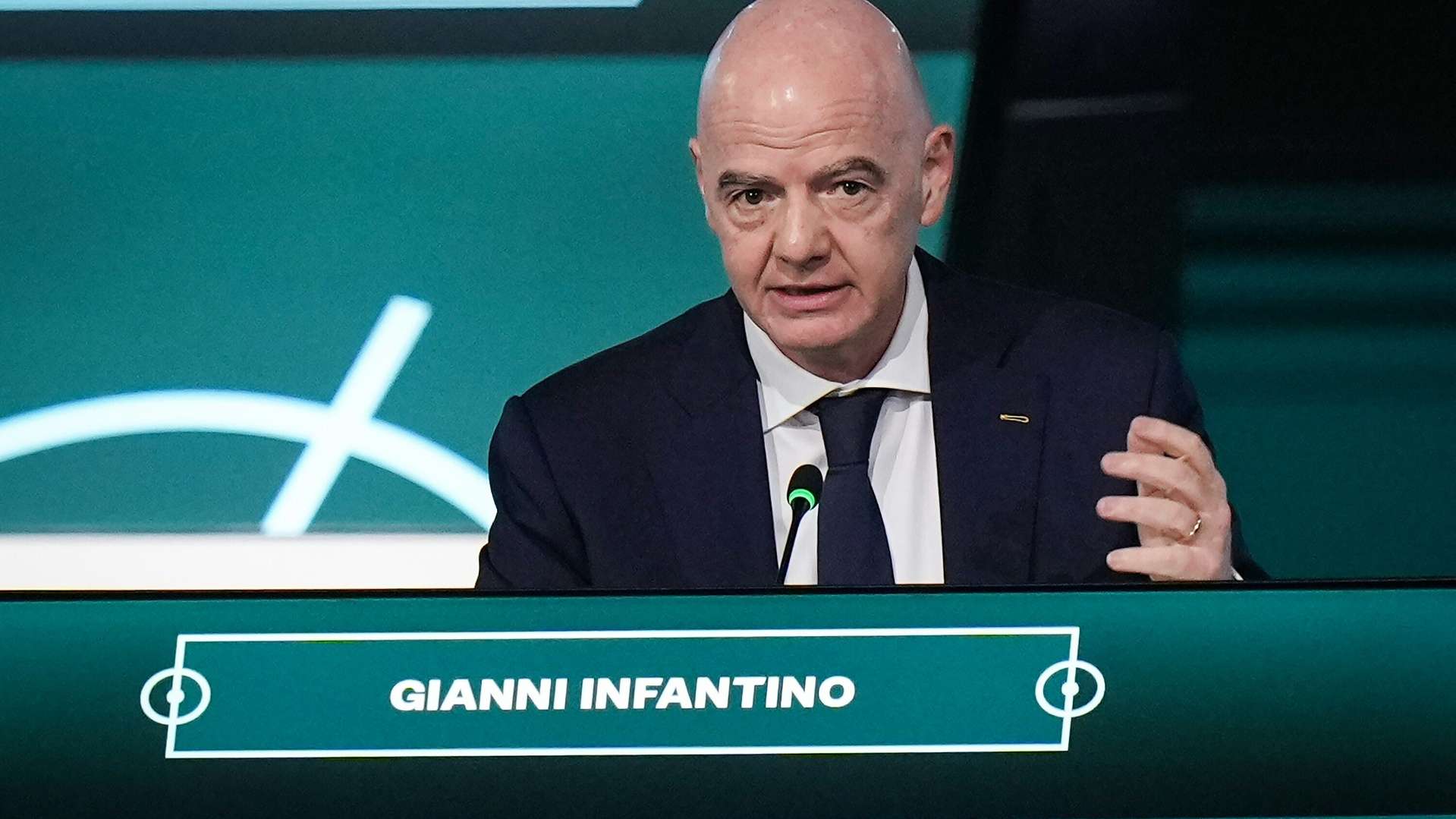
Gianni Infantino, the FIFA president, recently addressed the public in a lengthy Instagram post, breaking his silence a week after the conclusion of the 2026 World Cup hosted by Mexico, Canada, and the United States. In his post, he defended the tournament against criticism and launched a sharp attack on the world’s press, accusing journalists of spreading hatred and false rumors.
Positive Reflections on the World Cup
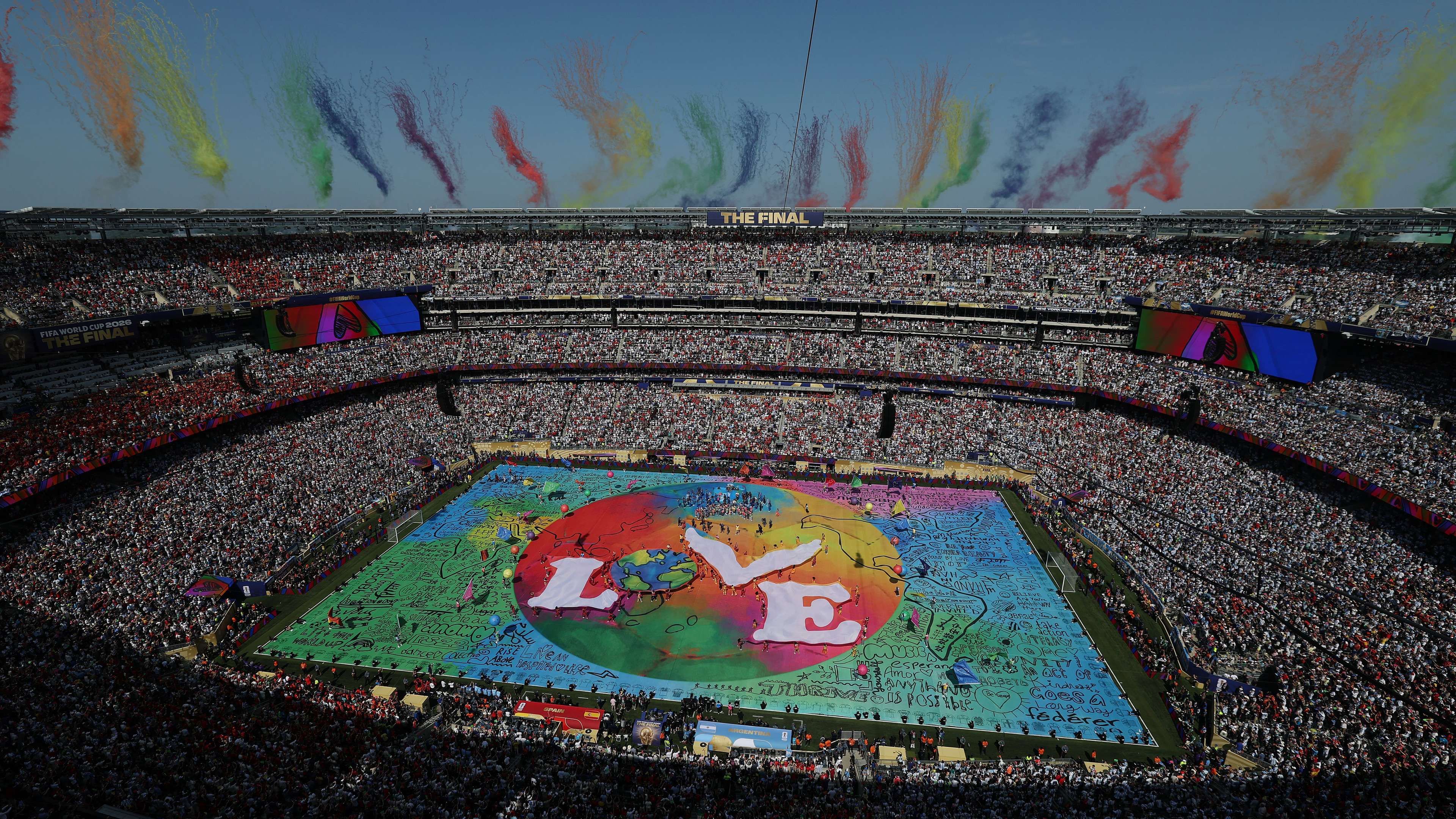
Infantino praised the recently concluded World Cup, which saw Spain emerge as the champions with a 1-0 victory over Argentina after extra time. He described the tournament as a celebration of humanity, emphasizing that the event was conducted in the best possible way to ensure the safety and happiness of all attendees. Additionally, he highlighted the cooperation between the host nations, particularly commending their efforts to unite nations that have been in conflict, such as the United States and Iran.
Criticism Towards Journalists and Refereeing Decisions
Despite his positive remarks about the tournament, Infantino did not shy away from criticizing the press and their coverage of the event. He accused journalists of focusing on negative aspects and spreading false information, particularly regarding the issuance of visas and disciplinary decisions. Infantino defended the controversial decisions made during the tournament, including the lifting of Nigeria’s Folarin Balogun’s suspension, stating that such practices are common in major leagues worldwide.
The FIFA president also highlighted the case of Haiti, a team that faced challenges before the World Cup but ultimately demonstrated its worth on the field. However, he failed to mention the issues faced by Haiti, such as being asked to change their shirt design deemed political by FIFA and being affected by the US entry restrictions.
Unaddressed Concerns and Controversies
Infantino’s statement did not touch upon several contentious issues surrounding the World Cup, such as the exclusion of Somali referee Omar Artan and the conflict between the United States and Iran, which almost prevented the Iranian team from participating in the tournament due to strict entry rules. Ticket prices, which prevented many fans from attending matches, were also left unmentioned in his post.
The 2026 World Cup, while showcasing thrilling football matches and uniting nations, faced its share of controversies and criticisms. Infantino’s response to the backlash highlights the challenges and complexities of hosting a global sporting event of such magnitude.
Keywords: football, prediction, 2026 World Cup, Gianni Infantino, FIFA, controversy, journalists, criticism, disciplinary decisions, ticket prices.
Impact of the 2026 World Cup
The 2026 World Cup was a significant event not only for football fans worldwide but also for the host countries. The tournament brought economic benefits to Mexico, Canada, and the United States, boosting tourism, infrastructure development, and international visibility. The collaboration between these nations set a precedent for future joint hosting of major sporting events, showcasing unity and cooperation on a global scale.
Furthermore, the success of the tournament highlighted the growing popularity of football in North America, with increased participation and interest in the sport among youth. The legacy of the 2026 World Cup will continue to inspire future generations of football players and fans in the region, leaving a lasting impact on the sport’s development and growth.
Journalistic Integrity and Responsibility
Infantino’s criticism of the press raises important questions about journalistic integrity and responsibility in covering major sporting events. While media scrutiny is essential for holding organizations like FIFA accountable, there is a fine line between constructive criticism and sensationalism. Journalists play a crucial role in shaping public perception and discourse around sports, and their reporting should be accurate, balanced, and ethical to ensure transparency and fairness.
In an era of fake news and misinformation, it is essential for journalists to uphold professional standards and adhere to ethical guidelines in their reporting. By promoting integrity, objectivity, and truthfulness in their coverage, the media can contribute to a more informed and engaged public, fostering a healthier dialogue around sports and other societal issues.
Lessons Learned and Future Preparations
The controversies surrounding the 2026 World Cup serve as valuable lessons for future host countries and organizing bodies. From visa policies to refereeing decisions, there are numerous aspects of event planning and management that require careful consideration and transparent communication. By addressing concerns proactively, listening to feedback, and implementing best practices, organizers can mitigate risks and enhance the overall experience for participants and spectators.
Looking ahead to future World Cup tournaments, it is crucial for FIFA and host countries to prioritize inclusivity, diversity, and fairness in all aspects of event organization. By fostering a culture of respect, collaboration, and accountability, they can create a more welcoming and enjoyable environment for teams, fans, and stakeholders from around the world.
In conclusion, while the 2026 World Cup may have been marred by controversies and criticisms, it also served as a platform for showcasing the best of football and international cooperation. By reflecting on the challenges and successes of the tournament, stakeholders can work together to improve future events and uphold the values of unity, diversity, and sportsmanship in the beautiful game of football.