
ICC Strategic Summit in Bali: Shaping the Future of Global Cricket
The upcoming quarterly meeting of the International Cricket Council (ICC), scheduled to take place from November 13 to 15 in Bali, promises to be a pivotal event for the sport’s future. This gathering will primarily focus on formulating and refining strategies aimed at revitalizing and expanding cricket worldwide. As stakeholders from across the globe convene, much anticipation surrounds the insights and recommendations stemming from an in-depth strategic review commissioned earlier this year from McKinsey & Company.
Unveiling McKinsey & Company’s Strategic Recommendations
In a move indicative of its commitment to transforming cricket into a more sustainable and lucrative sport, the ICC engaged McKinsey & Company to analyze the game’s global trajectory and propose actionable strategies. The comprehensive report, which is expected to be presented at the Bali meeting, offers a detailed blueprint for the sport’s evolution over the coming years. While the ICC’s leadership, under Chairman Jay Shah, has not yet publicly disclosed all specifics, it is widely understood that many of McKinsey’s recommendations align with the ICC’s vision of expanding the game’s reach and revenue streams.
Among the key suggestions is a strategic shift aimed at reducing the ICC’s current heavy reliance on broadcast revenues. Given that cricket broadcasting rights are concentrated among a limited number of major players—particularly in India, where a dominant media company controls most of the market—diversifying income sources has become a priority. The report explores innovative avenues such as increased corporate sponsorship, data monetization, and pioneering mobile gaming projects, which could revolutionize how cricket generates income and engages fans globally.
Transforming Revenue Generation in Cricket
The recommendations put forth by McKinsey are ambitious but necessary for the sport’s long-term growth. The report emphasizes the importance of leveraging new revenue avenues like data monetization, which involves harnessing the vast amounts of information generated by players, fans, and digital interactions. Unlike traditional cricket statistics, this data encompasses behavioral patterns, engagement metrics, and preferences—valuable insights that can be monetized much like how FIFA has successfully utilized its data resources to boost revenue.
Furthermore, the report advocates for expanding corporate sponsorship deals, especially in emerging cricket markets. Mobile gaming, another focal point, offers enormous potential to attract younger audiences and create additional revenue streams. The ICC’s interest in this area signals a desire to engage fans through innovative digital experiences, blending sport with entertainment in ways that resonate with today’s tech-savvy generation.
Elevating Women’s Cricket and Expanding Global Horizons
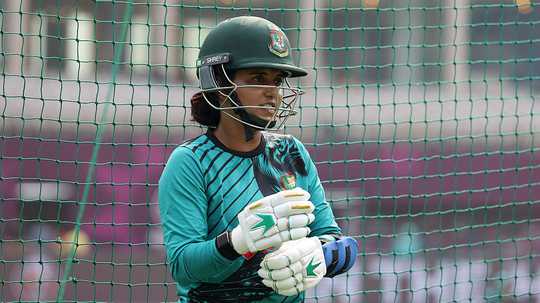
Beyond revenue strategies, the ICC has articulated clear goals to elevate the status of women’s cricket, aiming to make it the most popular women’s sport worldwide. This initiative aligns with broader efforts to promote gender equality in sports and capitalize on the growing global interest in women’s cricket. Over the next decade, the ICC aspires to triple the annual global cricket economy, which currently hovers around $3.5 to $3.8 billion, with aspirations to reach an impressive $10 billion annually.
To achieve this, the ICC plans to tap into burgeoning markets such as China, Indonesia, Brazil, and the United States—countries with large populations and increasing sports engagement. While India will undoubtedly remain the cornerstone of cricket’s economic growth, diversification into these populous nations could unlock new fanbases and revenue streams.
Innovations in Match Formats and Scheduling
Strategic discussions during recent Future Tours Programme (FTP) workshops held in Dubai suggest a focus on restructuring the cricket calendar to maximize engagement and revenue. A significant part of this strategy involves increasing the number of multilateral tournaments, especially in the Twenty20 International (T20I) format, which has proven highly popular globally. Although bilateral One Day International (ODI) series may see a reduction in frequency, the quality and appeal of ODI cricket remain vital.
Importantly, while the ICC encourages more multilateral competitions to boost global interest, individual cricket boards retain authority over bilateral series and scheduling decisions. This decentralized approach allows member nations to tailor their cricket calendars to local conditions while aligning with the broader strategic vision of the ICC.
The Road Ahead: Prediction and Preparation
As the cricket community looks ahead to the Bali meeting, predictions abound regarding the potential outcomes. Most industry experts believe that the ICC will endorse many of McKinsey’s suggestions, particularly those aimed at diversifying revenue streams and expanding cricket’s global footprint. The focus on innovative digital initiatives—such as data monetization and mobile gaming—indicates a forward-thinking approach that could redefine how the sport interacts with fans and generates income.
Moreover, the emphasis on women’s cricket and emerging markets reflects a strategic shift towards inclusivity and diversification—elements crucial for the sport’s long-term sustainability. The success of these initiatives, however, will depend on collaborative efforts between the ICC, national boards, broadcasters, and commercial partners.
Conclusion: A New Era for Cricket?
The upcoming ICC meeting in Bali is set to be a landmark event in shaping the future of cricket. With strategic insights from McKinsey & Company, the sport appears poised to embrace innovation, broaden its economic base, and reach new audiences worldwide. As predictions point toward increased investment in digital and emerging markets, the game of cricket could be on the cusp of a transformative era—one where growth, inclusivity, and technological integration redefine what it means to be a global sport.
For fans, players, and stakeholders alike, these developments herald exciting times ahead, promising a more vibrant, financially sustainable, and universally accessible cricketing world. The Bali summit will undoubtedly be closely watched by enthusiasts eager to see how these strategic plans unfold and what new horizons the game will explore in the years to come.