
Manchester City’s Rodri Concerned About Early Retirement Due to Football Calendar
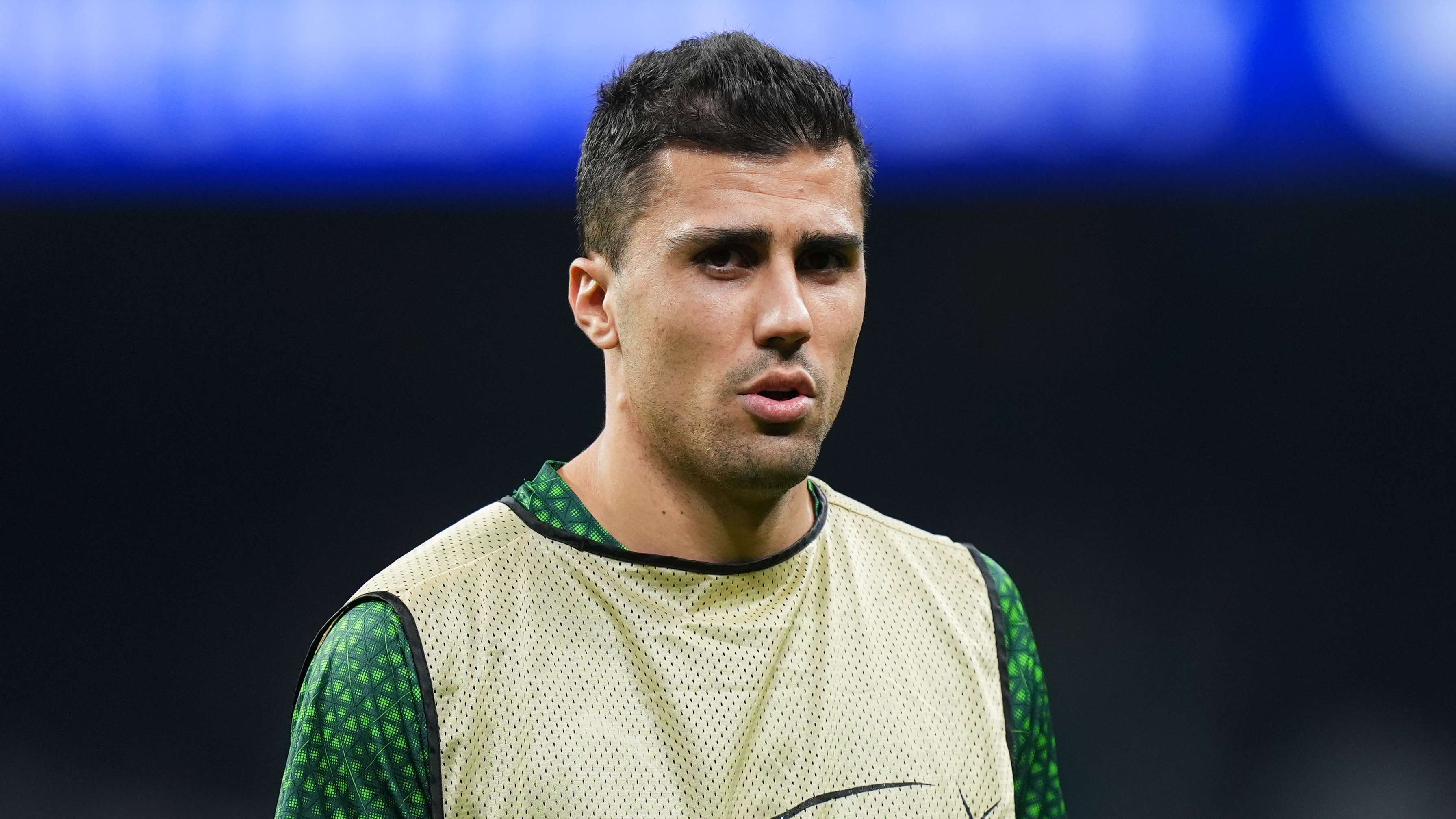
Manchester City midfielder Rodri has raised concerns about his future in professional football, suggesting that he may be forced into early retirement due to the demanding schedule of the sport. The Ballon d’Or winner recently spoke out about the toll that the “relentless” calendar has taken on his career, citing a series of serious injuries as a major factor in his apprehension.
Rodri’s Warning
Speaking candidly about his predicament, Rodri acknowledged the challenges of maintaining peak performance amidst a packed fixture list. The Spaniard expressed his worries about his ability to continue playing at the highest level beyond the age of 32 if the current schedule remains unchanged. He emphasized the need for a significant reduction in fixtures to safeguard players’ health and longevity in the sport.
“The constant demands of the football calendar have taken a toll on my body, and I fear that without a substantial decrease in matches, I may be forced to retire earlier than anticipated,” Rodri stated.
Impact on Players
Rodri’s comments shed light on a growing concern among professional footballers regarding the physical and mental strain of the sport’s demanding schedule. With players facing a grueling cycle of matches, training sessions, and travel, the risk of injuries and burnout has become a pressing issue in the football world.
Several high-profile players have suffered from long-term injuries and struggled to maintain their peak performance due to the rigorous demands of the sport. Rodri’s warning serves as a reminder of the challenges that athletes face in balancing their careers with the demands of a packed football calendar.
Call for Change
In light of Rodri’s concerns, there has been a renewed call for football authorities to address the issue of fixture congestion and prioritize player welfare. Many have argued for a more balanced and sustainable calendar that allows players to perform at their best without risking their health and longevity in the sport.
As discussions continue about potential reforms to the football schedule, players like Rodri are highlighting the urgency of finding solutions to ensure the well-being of those who dedicate their lives to the beautiful game. The debate over the future of football’s calendar is likely to intensify as players, fans, and officials seek to strike a balance between the demands of the sport and the well-being of its participants.
In conclusion, Rodri’s warning about the potential consequences of the current football calendar has sparked important conversations within the football community. As the sport grapples with the challenges of fixture congestion, the well-being of players remains a top priority for those involved in the game. It is essential for authorities to address these concerns and work towards creating a sustainable and player-friendly environment in professional football.
Effects of Fixture Congestion on Players
Footballers like Rodri are not alone in their concerns about the impact of a congested fixture list on their careers. The physical demands of playing multiple matches in a short period of time can lead to fatigue, muscle injuries, and overall decreased performance. The mental strain of constantly being under pressure to perform at a high level can also take a toll on players’ well-being.
Furthermore, the lack of sufficient recovery time between matches can increase the risk of injuries and burnout. This can not only affect a player’s current form but also have long-term implications for their overall health and longevity in the sport. The competitive nature of football often means that players are willing to push themselves to the limit, but this can come at a cost to their physical and mental well-being.
Potential Solutions
Addressing the issue of fixture congestion in football requires a multi-faceted approach that takes into account the well-being of players while maintaining the competitiveness and excitement of the sport. One potential solution is to reevaluate the scheduling of matches to allow for more rest periods between games. This could involve restructuring domestic and international competitions to create a more balanced calendar.
Implementing technology and sports science methods to monitor players’ fitness levels and reduce the risk of injuries could also be beneficial. Clubs and national teams could work together to manage players’ workload more effectively and prioritize their health and recovery. By promoting a culture of rest and recovery, football authorities can help mitigate the negative effects of fixture congestion on players.
Looking Ahead
As football continues to evolve, it is crucial for stakeholders in the sport to prioritize the well-being of players and address the challenges posed by a congested fixture list. By listening to the concerns raised by players like Rodri and taking proactive steps to improve the scheduling of matches, the football community can create a more sustainable and player-friendly environment for the future.
Ultimately, finding a balance between the demands of the sport and the well-being of its participants is essential for ensuring the long-term success and enjoyment of football. By working together to implement changes that benefit players’ health and performance, the football world can create a more sustainable and inclusive environment for all involved.
In conclusion, Rodri’s warning serves as a reminder of the importance of prioritizing player welfare in professional football. As discussions continue about potential reforms to the football calendar, it is essential for the sport to adapt to the changing needs of its athletes and create a more sustainable and player-friendly environment for the future.