
Harry Redknapp Questions Michael Carrick’s Managerial Instincts but Defends Manchester United Boss
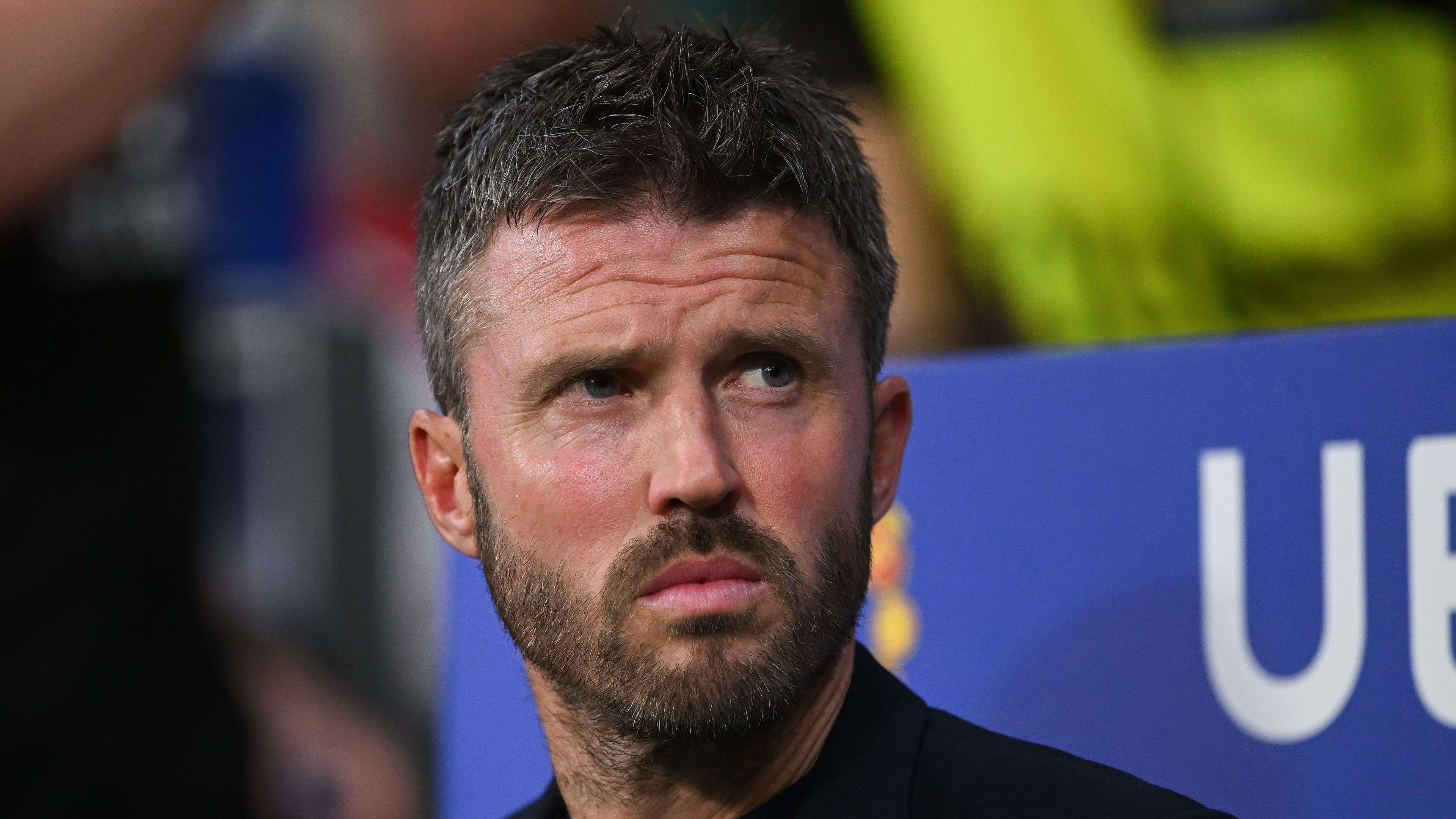
Former Premier League manager Harry Redknapp has raised doubts about whether Michael Carrick possesses the natural qualities required to become a top-level manager, while cautioning against placing too much blame on him for Manchester United’s recent struggles. Redknapp’s central argument is that the club’s problems run deeper than the person in the dugout: in his view, recruitment has left United without a squad capable of consistently challenging for major honours.
The comments capture a familiar debate among supporters and pundits alike. When results fall short at a club with Manchester United’s history and expectations, the manager is often the most visible target. But Redknapp’s assessment points to a broader issue: even a capable coach can only achieve so much if the squad lacks balance, depth and the right mix of experience and ability.
Redknapp’s Assessment of Carrick
Redknapp has not offered an unqualified endorsement of Carrick’s managerial credentials. His doubts concern whether the former United midfielder has the instincts and presence needed to thrive in one of football’s most demanding coaching roles. That is a significant question, particularly at Old Trafford, where managers are expected not only to deliver results but also to handle intense scrutiny, manage high-profile players and guide a club through constant public pressure.
However, questioning a manager’s long-term potential is different from blaming him for every poor performance. Redknapp’s comments suggest that Carrick’s suitability should be judged in context, rather than through a simple reading of recent results. A team’s form reflects many factors, including player recruitment, squad availability, tactical organisation and the confidence of individuals. If those pieces are not in place, a change in leadership may not be enough to solve the underlying problems.
Why the Squad Matters
Redknapp’s strongest criticism is directed at Manchester United’s recruitment. He believes the current group does not contain enough quality to compete reliably for the biggest trophies. That view highlights the importance of building a squad with more than a collection of recognisable names. Successful teams need players whose attributes complement one another, dependable options across the pitch and enough depth to withstand injuries, suspensions and demanding schedules.
Recruitment also shapes how a manager can play. A coach may want to press aggressively, build from the back or attack quickly through the wings, but those plans depend on having players suited to the task. If the squad lacks the required pace, technical security or defensive discipline, a tactical idea can look ineffective even when it is carefully designed. In that sense, the quality and balance of the playing group can limit a manager before a match even begins.
For United, this makes the debate about Carrick part of a larger conversation about club strategy. Supporters may reasonably ask whether the team’s performances are good enough, but they may also need to consider how consistently the club has assembled a group capable of meeting its ambitions. A title challenge is rarely produced by one signing or one tactical adjustment. It usually depends on several seasons of smart planning, clear recruitment priorities and continuity in the football department.
Manchester United’s Expectations Raise the Stakes
Manchester United’s global profile means that ordinary rebuilding challenges attract extraordinary attention. A run of disappointing results can quickly become a wider verdict on the manager, the players and the club’s leadership. That scrutiny can make it difficult to distinguish between short-term setbacks and deeper structural concerns, especially when expectations remain tied to the standards set during the club’s most successful periods.
Yet historical reputation does not guarantee present-day success. Competing for the Premier League title or major European silverware requires a team that can perform consistently against strong opponents, not merely produce occasional impressive displays. It also demands resilience: teams must respond to setbacks, maintain standards through a long season and find solutions when key players are unavailable.
Redknapp’s defence of Carrick therefore does not necessarily mean that the manager should escape scrutiny. Rather, it suggests that criticism should be proportionate and shared across the club. Coaches must make good decisions, prepare their teams effectively and improve players where possible. At the same time, executives and recruitment staff have a responsibility to provide a squad that can carry out the manager’s plans.
What the Debate Means for Carrick’s Future
For Carrick, the challenge is to show that he can turn tactical ideas into repeatable results while earning the confidence of the dressing room and the supporters. That requires more than a promising performance here and there. A convincing case would involve visible progress: greater consistency, clearer patterns of play, improved defensive organisation and stronger performances against high-level opposition.
At the same time, the club must assess whether its players are suited to the demands placed on them. If recruitment has produced gaps in key positions, those weaknesses may continue to surface regardless of who is in charge. The next transfer decisions will therefore be important, not only for improving the starting team but also for creating a more balanced group capable of competing across multiple competitions.
Any football prediction about United’s prospects should be made cautiously. A managerial change can bring a short-term lift, but it does not automatically resolve problems with squad construction. Conversely, a manager who is still developing may benefit significantly from a stronger, better-balanced group. The most reliable forecast depends on whether the club can address both sides of the equation: coaching and recruitment.
A Broader Lesson for Clubs Building for Success
Redknapp’s remarks underline a lesson that applies well beyond Old Trafford: managers are important, but they cannot operate in isolation. A club’s results are shaped by decisions made over time, from identifying transfer targets to defining a playing philosophy and supporting the coaching staff. When those elements are aligned, a manager has a stronger chance of building a competitive team. When they are not, even a talented coach can be left trying to compensate for shortcomings across the squad.
Carrick’s managerial qualities will ultimately be judged by his performances and achievements, not by speculation alone. But Redknapp’s argument is a reminder that United’s recent difficulties cannot automatically be reduced to one individual. If the club wants to return to the top of English and European football, it will need more than a new voice on the touchline. It will need recruitment that improves the team’s quality, a coherent long-term plan and a squad capable of matching the club’s ambitions.