
Noa Lang Reportedly Draws Boos From Napoli Supporters at the Maradona
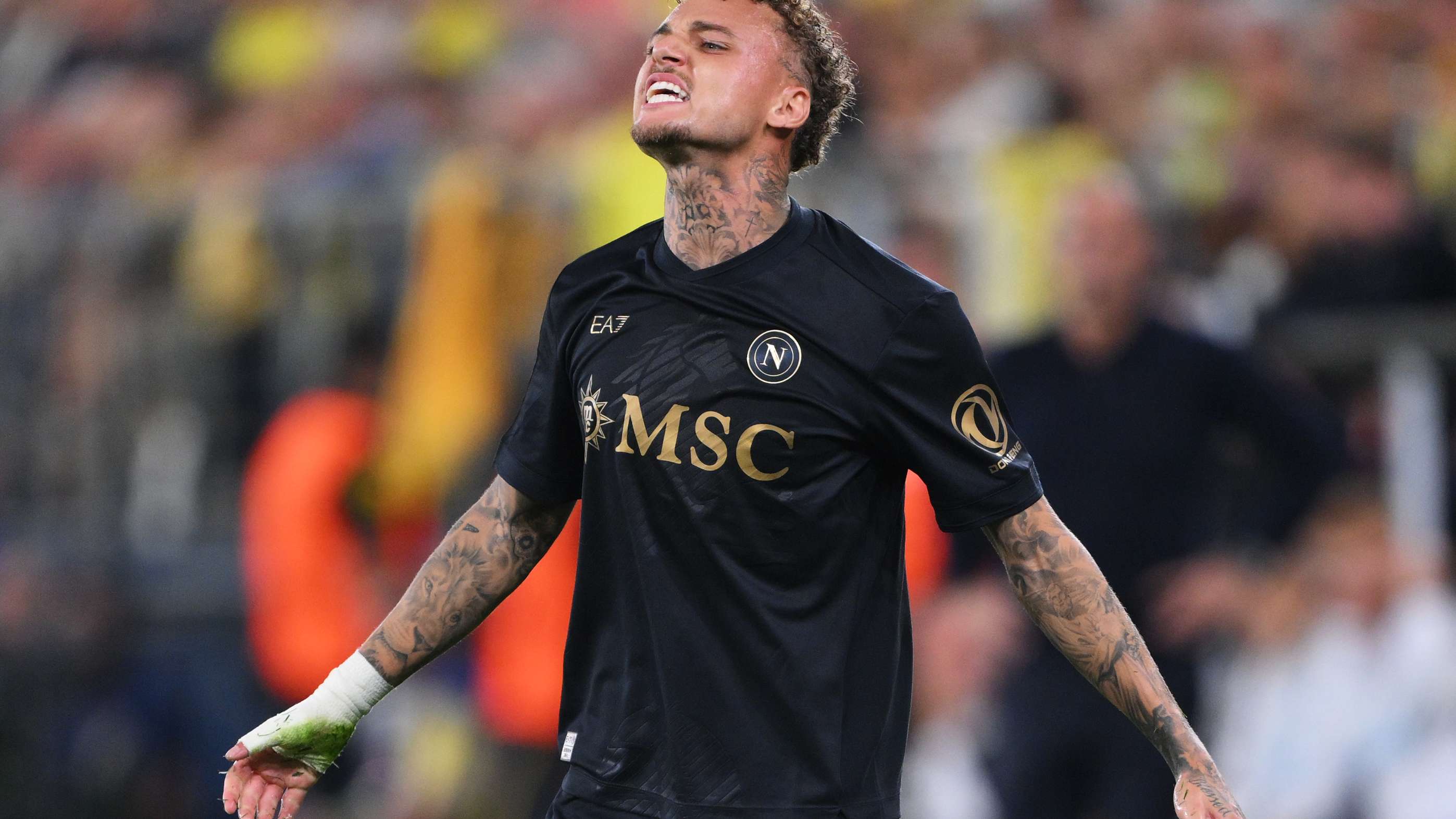
Napoli winger Noa Lang was reportedly booed by supporters at the Stadio Diego Armando Maradona after an exchange with the home crowd, according to a pitchside report from DAZN journalist Alessio De Giuseppe. The incident appeared to involve Napoli’s Curva A, one of the stadium’s most vocal sections, and quickly became a talking point among fans.
De Giuseppe said Lang directed the words, “I can’t hear you, you can’t be heard,” toward the supporters. The remark was reportedly followed by boos aimed at the Dutchman, who was born in 1999. While the exchange was brief, it highlighted how quickly the relationship between a player and a home crowd can become a focal point during a match.
What reportedly happened between Lang and Curva A?
The details available so far come from De Giuseppe’s account from the touchline. The report did not establish what prompted Lang’s comment or whether the player was responding to a specific chant, criticism, or moment in the game. Without further information, the exchange is best understood as a reported interaction rather than a complete account of the circumstances.
Even so, the wording attributed to Lang could easily be interpreted as a challenge to the supporters. Telling a section of the crowd that it cannot be heard may have been intended as a playful gesture, an emotional reaction, or a response to the atmosphere in the stadium. The boos suggest that at least some fans did not welcome it.
Football crowds often communicate their feelings directly, particularly at home grounds where supporters expect players to show commitment and respect. A gesture or comment that might appear minor in isolation can take on greater significance when it happens in front of thousands of people and is relayed to a wider audience through television coverage.
Why the atmosphere at the Maradona matters
Napoli’s home support is known for its intensity, and the Maradona is a venue where the crowd’s mood can become part of the match itself. Supporters can lift the team during difficult spells, but they can also make their frustration clear when they feel a player’s performance, attitude, or response falls short of expectations.
That relationship is particularly important for attacking players such as Lang, who are often judged on their ability to influence a game through direct running, creativity, and decisive contributions. When a winger is involved in a tense exchange with supporters, attention can shift away from the football and toward questions about confidence, communication, and the player’s connection with the club’s fanbase.
However, one reported incident does not necessarily indicate a lasting dispute. Emotions run high during matches, and players may react spontaneously to the noise around them. The meaning of the exchange may become clearer only if Lang or Napoli offers further comment, or if similar moments occur in future games.
What it could mean for Lang and Napoli
For Lang, the immediate challenge will be to keep the focus on his performances. A strong display in a subsequent match can often help restore goodwill, while consistent effort and visible engagement with supporters can reassure fans after a difficult moment. In modern football, players are also aware that brief exchanges can be clipped, shared, and discussed well beyond the stadium.
Napoli, meanwhile, will want any tension to remain a sideshow rather than a distraction. The club’s priority is to maintain a united atmosphere around the squad, especially during a demanding run of fixtures. Coaches and teammates can help by keeping attention on preparation, results, and the collective objectives of the season.
For supporters, the episode may prompt debate over what Lang meant and whether his words were meant seriously. The available report does not answer those questions, so it would be premature to draw firm conclusions about his intentions or his relationship with Napoli’s fans. What is clear is that the comment, as described by DAZN’s pitchside reporter, was followed by a negative reaction from part of the crowd.
Upcoming fixtures add to the pressure
Napoli’s next listed Serie A fixture is against Lecce on 21 November 2026, with kick-off scheduled for 22:00. The team is also due to face Torino on 22 November at 03:45, according to the fixture information provided. Those matches will offer an opportunity for Napoli to turn attention back to the pitch and for Lang to contribute in a more positive spotlight.
Supporters looking ahead to those games will be watching more than the scoreline. They will also be interested in team selection, the balance of Napoli’s attack, and whether Lang features prominently. His role could be shaped by form, tactical needs, and the manager’s assessment of the squad, rather than by one exchange with the crowd alone.
Any football prediction for Napoli’s upcoming matches should therefore account for several factors, including recent performances, player availability, tactical matchups, and the pressure of playing in front of an expectant home audience. The reported incident may influence the atmosphere, but it is not, by itself, a reliable guide to the outcome of either fixture.
A brief moment with a wider football lesson
The Lang episode is a reminder of how closely players and supporters are connected in elite football. Fans provide energy and scrutiny in equal measure, while players must navigate the emotional intensity of the stadium as well as the tactical demands of the match. A short phrase can become a major talking point when it is exchanged in front of a passionate crowd.
For now, the story rests on the account of a pitchside reporter: Lang allegedly told Curva A, “I can’t hear you, you can’t be heard,” and boos reportedly followed. Whether the comment was playful, frustrated, or intended to provoke remains unclear. The next performances from Lang and Napoli may ultimately matter more than the exchange itself, as both player and supporters look to move forward with the season.