
Manuel Neuer’s costly error sparks Bundesliga history as Augsburg score in eight seconds
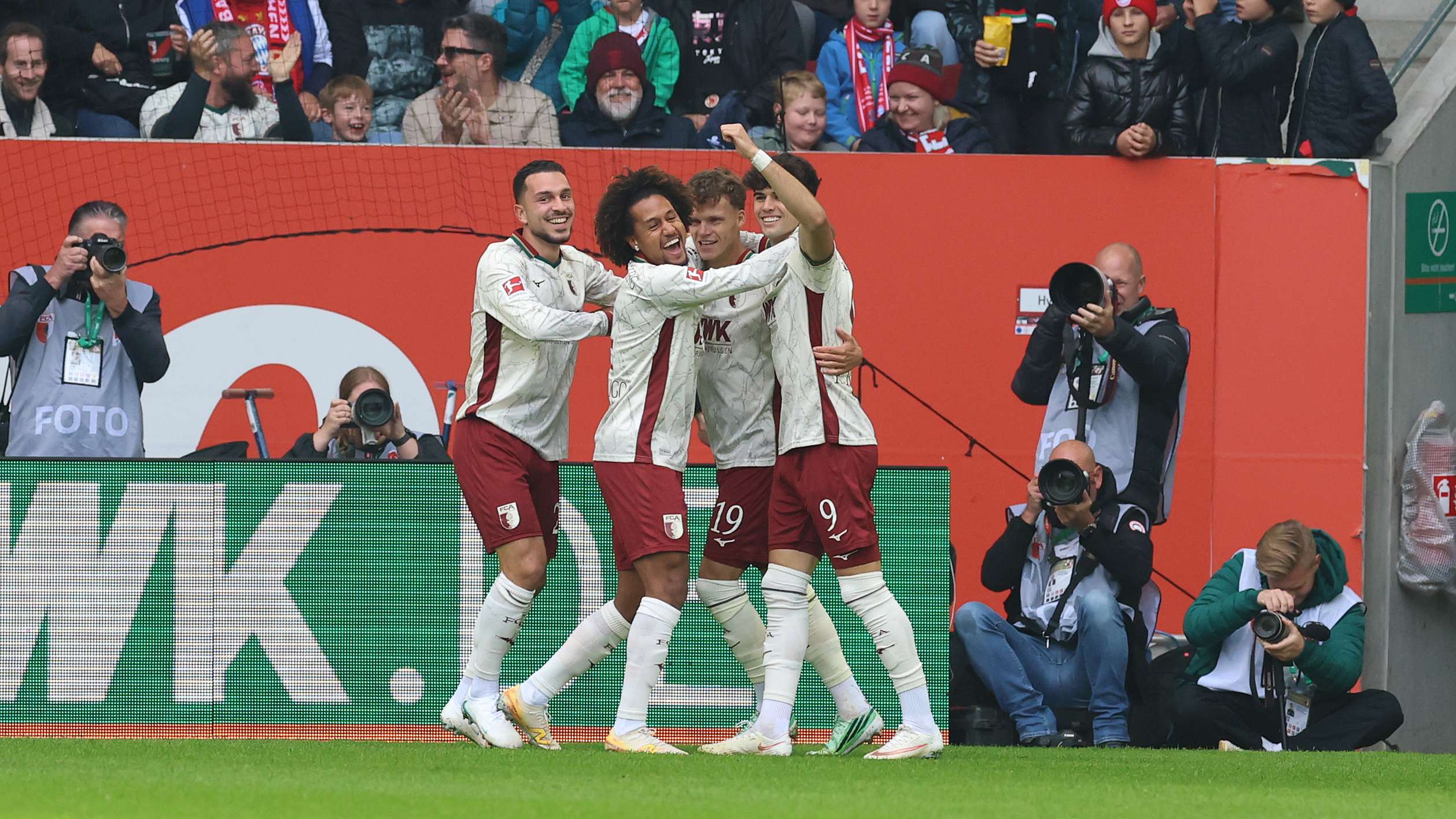
Bayern Munich’s visit to Augsburg began with a moment few supporters could have anticipated. Just eight seconds after kick-off, Robin Fellhauer scored the fastest goal in Bundesliga history, capitalising on a rare mistake by Bayern goalkeeper Manuel Neuer. The astonishing opening gave Augsburg an immediate lead and set the tone for a dramatic 2-2 draw.
The goal came from what initially appeared to be a routine sequence. After Bayern’s goal-kick, Luis Díaz sent a back-pass towards Neuer. The veteran goalkeeper misjudged his first touch, allowing the ball to move slightly too far ahead. As Augsburg’s Fellhauer closed him down, Neuer attempted a casual chip to evade the pressure—but struck the forward in the back instead.
The ball rebounded into Fellhauer’s path, leaving him with an empty goal to aim at. He kept his composure and finished from close range as the stadium clock showed eight seconds. German newspaper Bild reported the time as 8.4 seconds using a hand-timed measurement.
A new record in Bundesliga history
Fellhauer’s finish moved him to the top of the Bundesliga’s list of fastest goals. The previous record was jointly held by Kevin Volland, who scored for Hoffenheim against Bayern in 2015, and Karim Bellarabi, who found the net for Bayer Leverkusen against Borussia Dortmund in 2014. Both goals came after nine seconds.
That Bayern were involved in two of the quickest goals on the list is a striking detail. Volland’s record-setting goal also came against the Munich club, while Neuer’s error now provided the setting for a new milestone. For Augsburg, the achievement was a memorable reward for an aggressive start and a reminder of how quickly pressure can turn into a scoring opportunity.
Fellhauer’s goal was not simply a statistical curiosity. It immediately forced Bayern to abandon any calm opening plan and chase the match from the first moments. Augsburg, meanwhile, gained confidence from the early breakthrough and had a clear incentive to stay compact, press at the right moments and look for further chances on the counterattack.
Kompany and Eberl respond to Neuer’s mistake
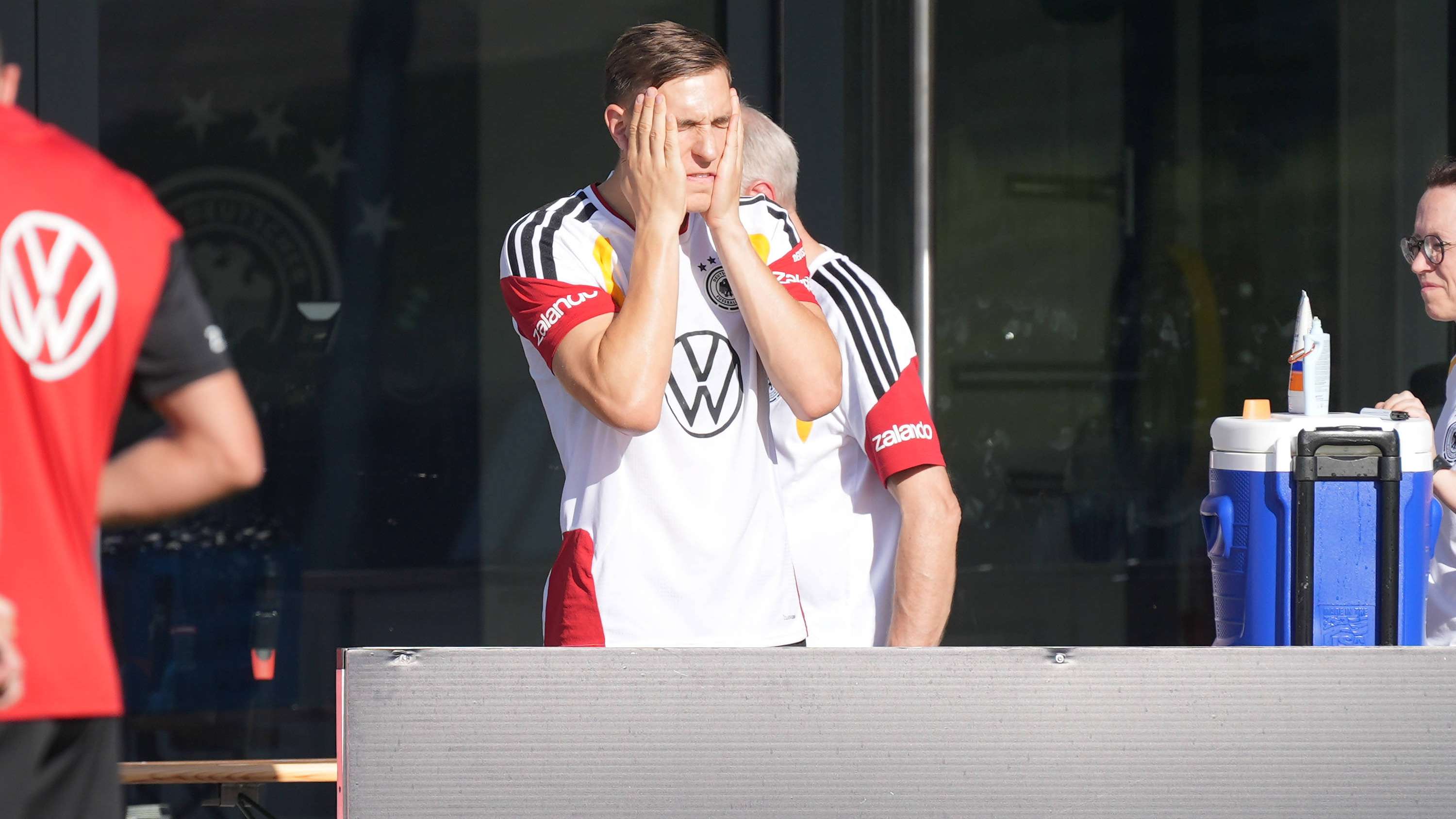
Bayern coach Vincent Kompany did not attempt to disguise his disappointment after the match. “It is obviously a shame. We would have wanted a different start,” he said, while stressing that Bayern had to focus on what could still be influenced. “The reaction is the most important thing. What happened, you can’t change any more.”
Sporting director Max Eberl also offered a direct assessment of the incident. He said Neuer had controlled the ball poorly and then tried to correct the situation with an overly risky action. The comments reflected the unusual nature of the error: Neuer’s reputation has been built on confidence with the ball at his feet, but that same willingness to play out from the back can leave a team exposed when a touch or decision goes wrong.
For goalkeepers in modern football, distribution is now a central part of the role. They are expected to act as an extra outfield player, helping teams build attacks under pressure. The benefit is greater control in possession, but the risk is obvious: a mistake close to goal can become a scoring chance before defenders have time to recover. Augsburg’s press made the most of that risk.
Bayern fight back, but Neuer is involved again
Bayern gradually recovered from the shock and found an equaliser in the 55th minute, when Ismael Saibari scored to bring the visitors level. The goal appeared to give the champions a platform to take control, but Augsburg regained the lead nine minutes later.
Defender Calvin Brackelmann sent a shot towards goal that Neuer could only parry rather than hold or push safely away from danger. Rodrigo Ribeiro reacted quickly to the rebound and finished to make it 2-1 in the 64th minute. The second goal was less spectacular than Fellhauer’s historic opener, but it again left Bayern needing to recover from a deficit.
Bayern avoided defeat late on. Nathaniel Brown scored in the 81st minute to make it 2-2, ensuring the points were shared. The result offered Bayern a measure of relief after their chaotic start, though the dropped points and Neuer’s two difficult moments were likely to dominate the post-match discussion.
Questions around Neuer’s future
The performance also renewed attention on Neuer’s longer-term future. At 40, he is widely expected to be approaching the final season of his career, and he has hinted in recent months that retirement could be on the horizon. Bayern have been preparing for a transition, with Jonas Urbig expected to receive regular opportunities as the club considers its next long-term first-choice goalkeeper.
Kompany, however, made clear that Neuer remains responsible for responding on the pitch. The coach said the goalkeeper must continue to show the quality that has defined his career, while also pointing out that Bayern had opportunities at the other end to decide the contest. That balance matters: one error can shape a match, but a team’s result is rarely determined by a single moment alone.
For Urbig, the situation presents both opportunity and pressure. A gradual handover can help a younger goalkeeper gain experience without being asked to replace a club legend overnight. For Neuer, the challenge is to demonstrate that the Augsburg mistakes were an isolated setback rather than a sign that his influence is fading.
Fastest goals in Bundesliga history
The Augsburg match reshaped a short but remarkable list of record-breaking openers. Fellhauer’s eight-second strike now stands alone at the top, ahead of two goals scored in nine seconds. Other famous rapid finishes include efforts by Bayer Leverkusen great Ulf Kirsten and former Bayern forward Giovane Elber, both of whom scored after 11 seconds.
Bundesliga fastest-goal rankings: Robin Fellhauer, Augsburg, eight seconds against Bayern Munich on 10 October 2026; Kevin Volland, Hoffenheim, nine seconds against Bayern Munich on 22 August 2015; Karim Bellarabi, Bayer Leverkusen, nine seconds at Borussia Dortmund on 23 August 2014; Ulf Kirsten, Bayer Leverkusen, 11 seconds against Kaiserslautern on 30 March 2002; Giovane Elber, Bayern Munich, 11 seconds against Hamburger SV on 31 January 1998; and Paul Freier, VfL Bochum, 11 seconds against 1860 Munich on 24 May 2003.
The result leaves plenty to discuss for fans assessing Bayern’s form, Neuer’s future and Augsburg’s ability to trouble elite opposition. Any prediction for Bayern’s next match will have to weigh their attacking quality against the defensive concentration they showed at Augsburg. The historic goal may have lasted only seconds, but its consequences—and the questions it raised—could linger much longer.