
UEFA Takes a Stand Against FIFA President Infantino
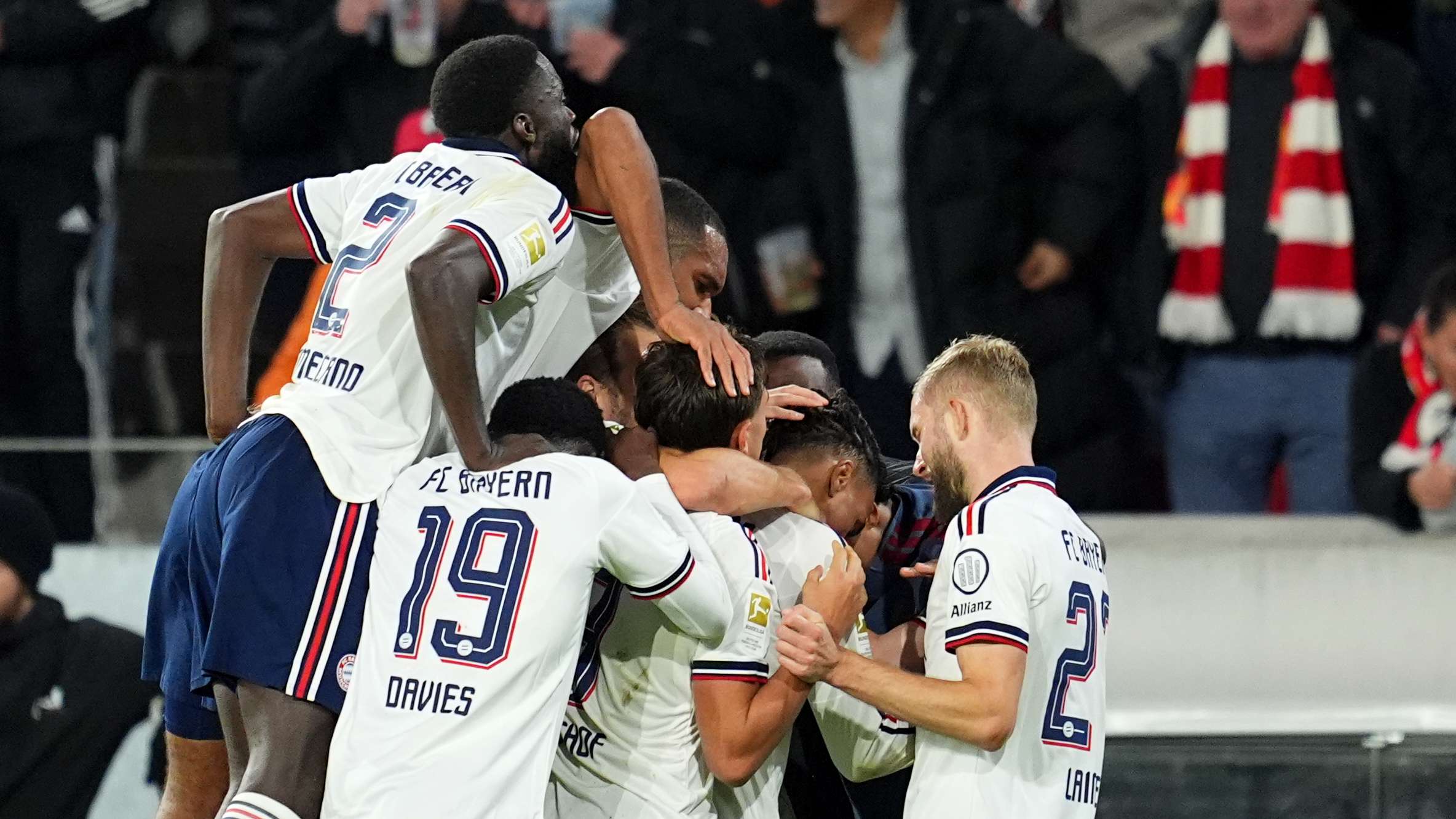
In a bold move, Bayern Munich honorary president Uli Hoeness has publicly criticized FIFA president Gianni Infantino, declaring that Europe has the power to thwart any plans that do not align with its interests. Hoeness made his strong statements in an interview with German website “sport1” where he emphasized Europe’s influence in international football.
According to Hoeness, “Any tournament without Europe is worth nothing.” He went on to stress that if European nations unite, they can effectively block any initiatives put forth by Infantino. The comments come as a response to Infantino’s controversial proposals for the future of FIFA tournaments, including a plan to sell a portion of the World Cup’s commercial rights to private investors.
European Resistance Grows
Hoeness’ remarks are reflective of a broader sentiment within Europe where there is increasing resistance to Infantino’s plans. Many European officials and football associations have voiced their concerns about the potential commercialization of the World Cup and the impact it could have on the integrity of the tournament.
One of the main points of contention is Infantino’s proposal to involve private-sector investors in the World Cup, a move that European stakeholders fear could compromise the tournament’s independence. European voices are calling for the protection of the World Cup as a sporting event rather than a lucrative investment opportunity.
Infantino Faces Backlash
Infantino’s plans have faced backlash not only from European figures but also from within FIFA itself. The controversy surrounding the sale of commercial rights and the potential impact on the World Cup has sparked heated debates among football stakeholders.
Despite the criticism, Infantino remains committed to his vision for the future of FIFA tournaments. The clash between his proposals and the concerns raised by European leaders highlights the power struggle within international football governance.
Unity in European Football
Hoeness’ call for unity among European nations underscores the importance of collaboration in shaping the future of football. As the most influential continent in the sport, Europe has the ability to shape policies and decisions that impact the global football community.
With tensions rising between FIFA and UEFA, the coming months are likely to be crucial in determining the direction of international football. The clash of interests between Infantino and European leaders sets the stage for a significant power struggle that could reshape the landscape of the sport.
In conclusion, the defiance shown by UEFA against FIFA president Infantino reflects the complex dynamics at play in international football governance. As the debate over the future of FIFA tournaments continues, the role of Europe in shaping the sport’s trajectory remains pivotal.
European Football Landscape
European football has long been a dominant force in the world of soccer, with some of the most prestigious clubs and national teams calling the continent their home. The strength of European football is not just limited to on-field performance but also extends to the governance and decision-making processes that shape the sport globally.
With UEFA serving as the governing body for European football, the organization holds significant influence over FIFA and the direction of international tournaments. The unity and solidarity among European nations play a crucial role in ensuring that the interests of the continent are represented and protected in the global football landscape.
Commercialization vs. Tradition
The debate over the commercialization of football tournaments like the World Cup highlights a fundamental tension between the pursuit of profit and the preservation of the sport’s traditional values. While commercial partnerships and sponsorships are essential for funding and growing the game, there is a delicate balance to maintain to prevent the commodification of football.
European stakeholders are particularly sensitive to the idea of involving private investors in football, as they fear it could lead to decisions being driven by financial interests rather than the spirit of the game. Protecting the integrity and authenticity of football competitions is a priority for many European leaders who view the sport as more than just a business venture.
Power Dynamics in Football Governance
The clash between FIFA president Infantino and European football officials sheds light on the power dynamics at play within football governance. While FIFA is the global governing body for football, the influence of regional confederations like UEFA cannot be underestimated, especially given Europe’s footballing prowess and history.
The pushback against Infantino’s proposals demonstrates the importance of collaboration and negotiation in decision-making processes that impact the entire football community. The tension between differing visions for the future of the sport underscores the complexities of balancing commercial interests with the essence of football as a cultural phenomenon.
Future Outlook
As the rift between FIFA and UEFA continues to widen, the future of international football governance remains uncertain. The coming months will likely see further debates, negotiations, and power struggles as different stakeholders vie for influence and control over the direction of the sport.
Ultimately, the resolution of these conflicts will shape the landscape of football for years to come, determining how the game evolves and adapts to the changing demands of the modern era. The outcome of this power struggle will not only impact the governance of football but also the values and principles that underpin the sport’s global appeal.
In conclusion, the standoff between UEFA and FIFA president Infantino symbolizes a pivotal moment in the history of football governance. The outcome of this conflict will have far-reaching consequences for the future of the sport, highlighting the intricate interplay between tradition, commercialization, and power dynamics in international football.