
Lionel Messi Wins Best Player Award from IFFHS Despite Silver Ball at FIFA World Cup
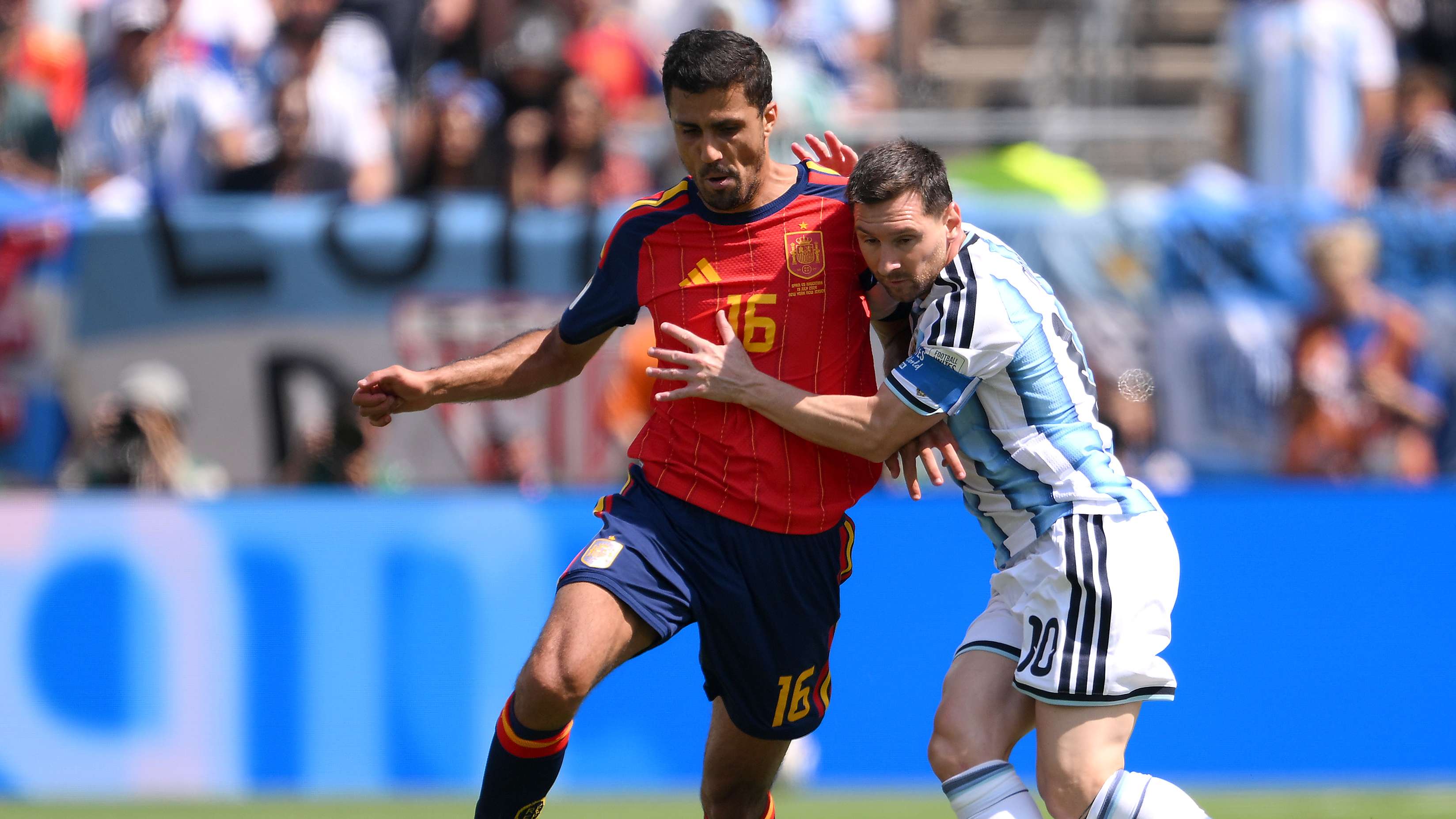
After Spain emerged victorious against Argentina in the 2026 World Cup final, Lionel Messi had to settle for the Silver Ball in FIFA’s official awards ceremony. However, individual recognition still shone upon him as the International Federation of Football History and Statistics (IFFHS) named Messi the best player of the tournament.
The decision to award Messi with the prestigious title was based on his exceptional performance index throughout the World Cup. This index takes into account various factors such as match ratings, goals scored, assists provided, and a player’s overall impact on their team’s performance, particularly in the knockout stages of the tournament.
Messi’s Outstanding Contributions
At 39 years old, Messi showcased his unparalleled skills in eight matches during the World Cup. He netted an impressive 8 goals and contributed with 4 assists, totaling 12 goal contributions in total. His stellar performance not only propelled Argentina to the final but also cemented his reputation as one of the greatest footballers of all time.
While FIFA awarded the official Golden Ball to Spain’s captain, Rodri, Messi’s Silver Ball and French sensation Kylian Mbappé’s Bronze Ball were based on different criteria. FIFA’s awards rely on official voting, whereas the IFFHS ranking utilizes a specific statistical index to evaluate individual output and technical impact over the entire duration of the tournament.
Recognition Amidst Competition
Despite facing tough competition from talented players across the globe, Messi’s exceptional abilities and unwavering dedication to his team did not go unnoticed. The IFFHS’s decision to name him the best player of the tournament serves as a testament to his enduring legacy in the world of football.
While the recent awards ceremony may have highlighted Messi’s individual accolades, his ultimate goal remains lifting the coveted World Cup trophy with his national team. As he continues to defy expectations and inspire millions of fans worldwide, Messi’s influence on the sport transcends mere recognition on the field.
As football enthusiasts eagerly anticipate the next major tournament, Messi’s stellar performance at the 2026 World Cup serves as a reminder of his enduring impact on the sport. Whether he’s securing crucial goals or providing crucial assists, Messi’s presence on the field is a sight to behold for fans of all ages.
Despite the challenges that lie ahead, one thing remains certain: Lionel Messi’s legacy as a footballing icon continues to grow with each passing match.
Impact of Messi’s Award on Future Predictions
With Lionel Messi receiving the best player award from IFFHS despite coming in second at the FIFA World Cup, football analysts and fans alike are now pondering how this recognition might influence future predictions and assessments of players’ performances in major tournaments.
One key aspect to consider is the subjective nature of awards in football. While FIFA’s official awards are based on a voting system that can be influenced by various factors, the IFFHS’s statistical index takes a more objective approach in evaluating players’ contributions. This distinction could lead to a shift in how individual performances are analyzed and appreciated in the future.
Additionally, Messi’s recognition as the best player of the 2026 World Cup by the IFFHS underscores the importance of considering a player’s overall impact beyond just goals and assists. Factors such as leadership qualities, tactical intelligence, and influence on the team dynamic could now receive more emphasis in player evaluations moving forward.
Evolution of Player Rankings and Assessments
As the footballing landscape continues to evolve, so too must the methods of ranking and assessing players’ performances. The IFFHS’s decision to name Messi the best player of the tournament based on a comprehensive performance index signals a potential shift towards a more nuanced and holistic approach in evaluating players’ contributions.
This evolution could lead to a greater appreciation for players who excel in areas beyond traditional statistics. Defensive contributions, off-the-ball movement, and overall impact on team cohesion could become more prominent factors in determining the best player awards in future tournaments.
Implications for Future Tournaments
Looking ahead to future tournaments, Messi’s recognition by the IFFHS could set a new precedent for how individual performances are assessed and celebrated on the global stage. Players may now be motivated to showcase a wider range of skills and attributes in order to be considered for top honors, leading to a more diverse and competitive field of contenders.
Moreover, the emphasis on a player’s overall impact on their team’s success could encourage a shift towards a more team-oriented approach in evaluating performances. Players who elevate their teammates, contribute defensively, and display strong leadership qualities may receive greater recognition in future tournaments as a result of this new perspective.
Conclusion
In conclusion, Lionel Messi’s recognition as the best player of the 2026 World Cup by the IFFHS has far-reaching implications for the future of player assessments and rankings in football. By valuing a player’s overall impact and performance index, the IFFHS has highlighted the importance of a holistic approach to evaluating individual contributions on the field.
As the sport continues to evolve and adapt, fans can expect to see a more nuanced and comprehensive analysis of players’ performances in major tournaments. The legacy of players like Messi serves as a reminder of the enduring impact that exceptional talent and dedication can have on the world of football.