
Former Referee Backs VAR Decision to Disallow Real Betis Goal Against Barcelona
Former international referee Parrinecia Montero has defended the officiating in Real Betis’ 5-2 defeat to Barcelona, saying referee Ricardo de Burgos Bengoetxea was right to rule out Giovani Lo Celso’s first-half goal. The decision, which came after a VAR review, proved one of the match’s most contentious moments in the ninth round of the Spanish league.
Lo Celso appeared to bring Betis level at 2-2 in the 43rd minute with a powerful finish. However, the goal was cancelled after video footage showed a handball by Cucho Hernández in the build-up. De Burgos reviewed the incident on the pitchside monitor following a recommendation from VAR official Carlos del Cerro Grande, then disallowed the strike.
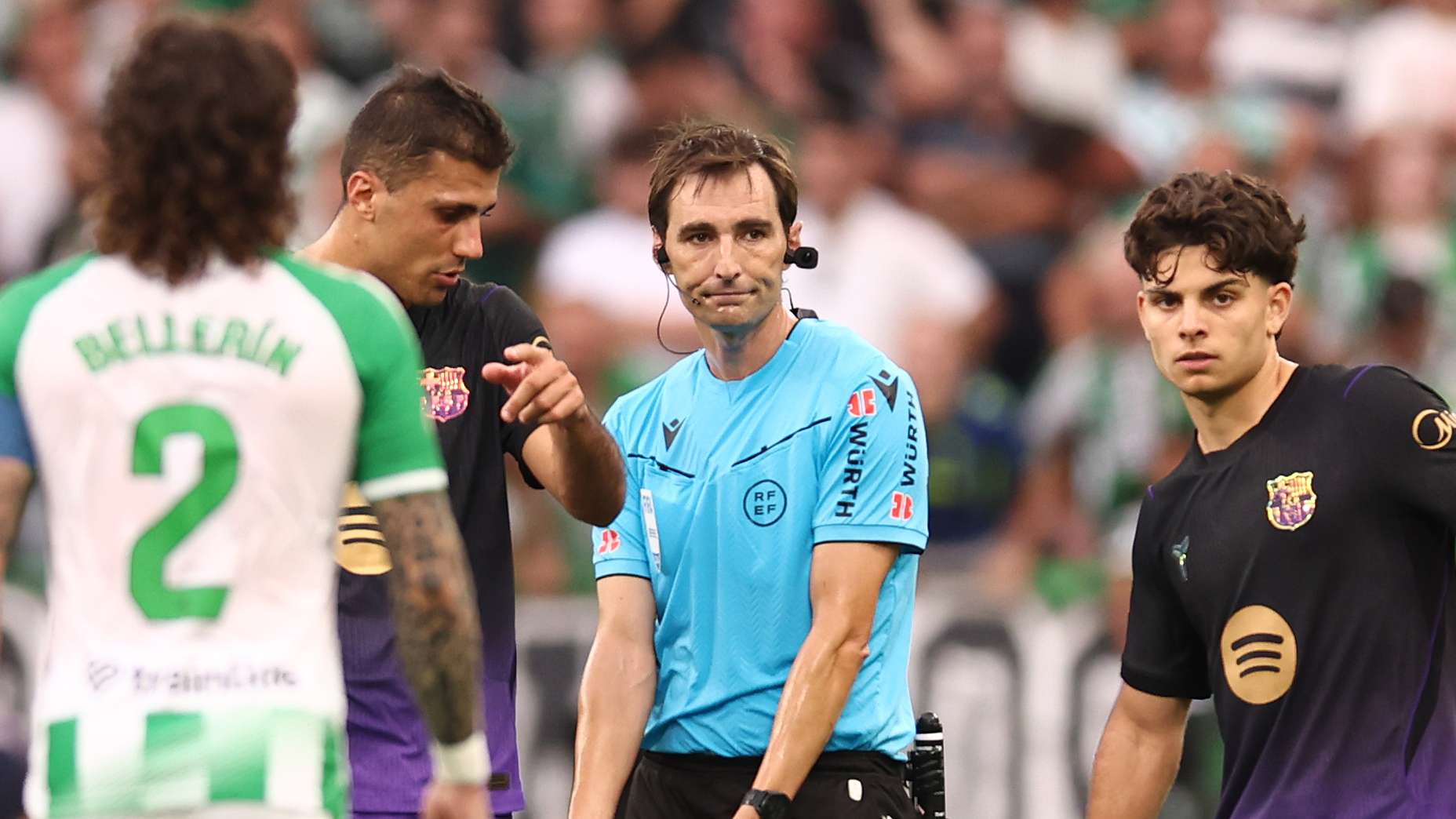
Writing for Spanish newspaper Mundo Deportivo, Montero praised the referee’s handling of a demanding, high-intensity contest. She argued that the handball occurred before Lo Celso’s shot and that the review process correctly identified an offence that had not been spotted in real time.
Why the VAR Review Led to the Goal Being Disallowed
The key issue was not the quality of Lo Celso’s finish, but what happened immediately beforehand. Under the laws of the game, an attacking move can be penalised when a player’s handball directly leads to a goal or a clear scoring opportunity. In this case, VAR identified contact by Cucho that formed part of the sequence ending with Lo Celso’s strike.
Montero said del Cerro Grande was right to ask de Burgos to review the footage. The on-field referee then had the opportunity to assess the incident himself, rather than relying solely on the VAR official’s interpretation. After watching the replay, he overturned the goal, a process Montero considered correct.
The decision was understandably frustrating for Betis. Lo Celso’s effort looked like a major turning point: a 2-2 scoreline before half-time could have transformed the hosts’ outlook against one of Spain’s strongest teams. Instead, the goal was removed from the scoreboard, and Barcelona retained their advantage on the way to a convincing 5-2 victory.
Montero Praises De Burgos’ Match Management
Montero’s assessment extended beyond the disallowed goal. She described de Burgos as a referee with a clear, recognisable style, relying on regular communication with players to manage tension and keep the match moving. The former official also noted the physical effort required to stay close to play in a fast and competitive fixture.
According to Montero, de Burgos allowed the game to flow whenever possible, applying the advantage principle in several situations rather than stopping play unnecessarily. That approach can help maintain the rhythm of a football match, particularly when both teams are pressing and transitions are happening quickly. At the same time, she said the players’ reactions made the referee’s job more difficult.
Despite the protests and several heated exchanges, Montero believed the official maintained control. Her comments offer a useful counterpoint to the immediate emotions that often follow a disputed call: while supporters and coaches may focus on one decision, refereeing assessments also consider positioning, communication, consistency and the management of players across the full 90 minutes.
Cards and Bernal’s Red Card Add to the Debate
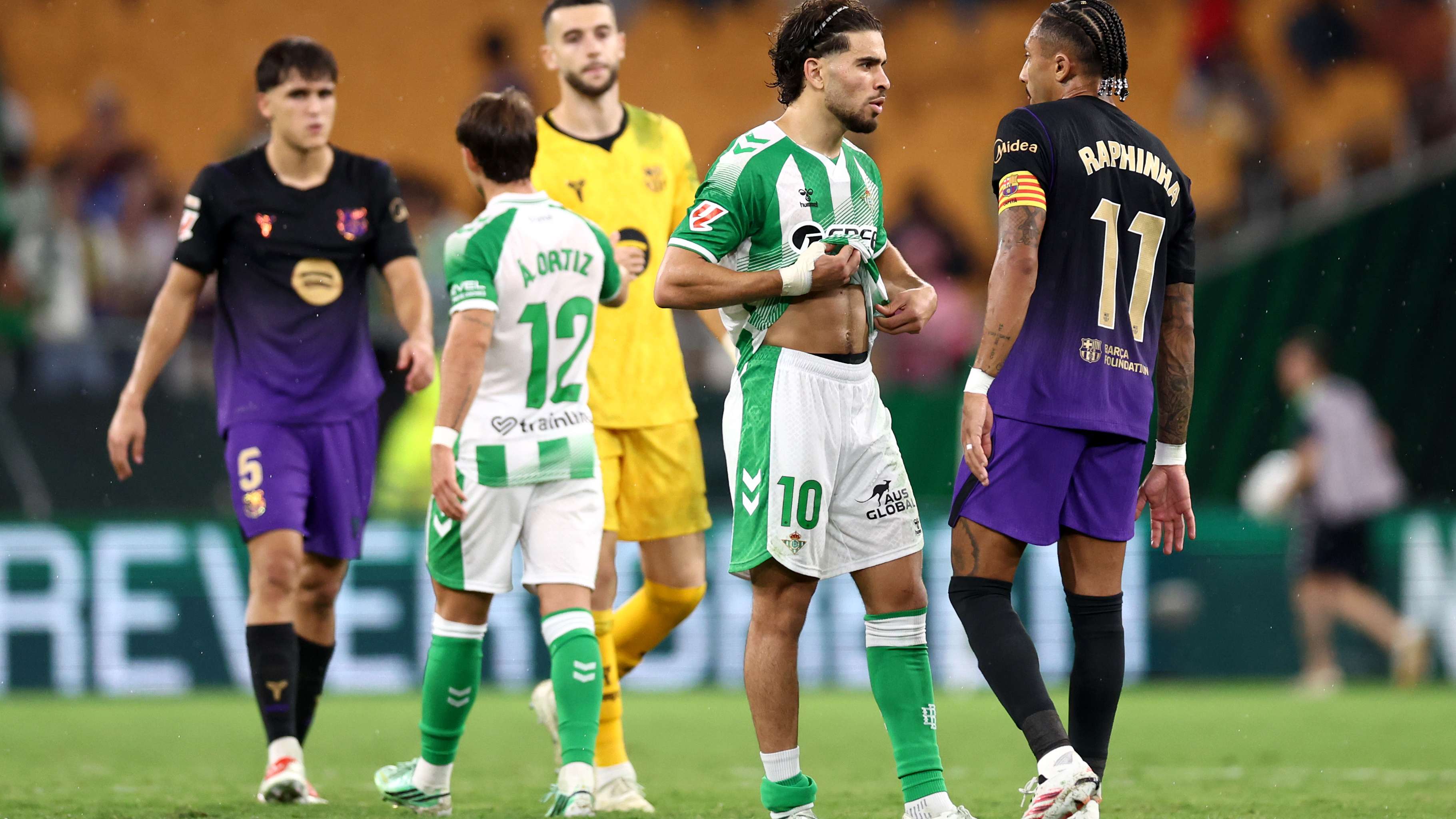
The disallowed goal was not the only flashpoint. Betis coach Manuel Pellegrini was angry with the officiating, while the home side also objected to the dismissal of Facundo Bernal after his confrontation with Lamine Yamal. Barcelona, meanwhile, had their own complaint, believing a foul should have been awarded in the build-up to Abde Ezzalzouli’s goal.
Montero supported the decision to send Bernal off, saying the Betis player grabbed Yamal around the neck and head before headbutting him. In her view, the action warranted a red card, regardless of the surrounding frustration or the intensity of the match. Such incidents are treated seriously because contact to an opponent’s head can quickly escalate and carries a significant risk of injury.
She also considered the yellow cards shown to Fermín López, Héctor Bellerín, Lamine Yamal and Lorente justified. The bookings reflected the physical nature of the contest and the need to draw a clear line as challenges and tempers intensified. Montero’s overall conclusion was that the disciplinary decisions were consistent with the incidents she reviewed.
What the Result Means for the La Liga Conversation
Barcelona’s 5-2 win will be remembered for its attacking output, but the controversy surrounding Lo Celso’s disallowed goal is likely to remain part of the post-match discussion. For Betis, the ruling removed a potential equaliser at a crucial moment. For Barcelona, the decision helped preserve their lead in a game that ultimately produced seven goals.
In the wider debate about VAR, the episode highlights both the technology’s value and its limitations. Video review can help officials identify incidents that might otherwise go unnoticed, but it cannot prevent every disagreement over how the laws should be applied. The final decision still rests with the referee, who must interpret the replay within the rules and make a call under intense scrutiny.
For fans considering the next round of fixtures, this match also offers a reminder that a football prediction should account for more than attacking form or league position. Team discipline, the ability to respond to setbacks and the impact of key decisions can all shape a result. Betis showed enough attacking threat to make the contest competitive, while Barcelona’s finishing helped them turn a turbulent game into a five-goal victory.
Montero’s verdict is clear: de Burgos was right to disallow Lo Celso’s goal, and VAR was right to bring the handball to his attention. Although the decision sparked anger in the stadium, her review portrays a referee who worked to keep a difficult match under control, balanced the need for flow with appropriate discipline, and made the key call according to the evidence available.