
Real Madrid’s Tchouaméni Strikes a Young Fan With Wayward Shot in Racing Santander Match
Real Madrid’s visit to Racing Santander produced an unexpected and unsettling moment when a powerful shot from Aurélien Tchouaméni flew into the stands and struck a child. The incident, which occurred during the Spanish league match, briefly shifted attention away from the action on the pitch and toward the young spectator’s welfare.
The ball hit the child in the face, prompting an immediate emotional reaction. Television footage showed the youngster trying to move out of its path before bursting into tears. When the broadcast returned to the scene moments later, viewers could see a mark left by the impact. The sequence served as a reminder of the risks spectators can face when powerful shots travel beyond the playing area.
How the incident unfolded
The incident took place in the 50th minute, as Tchouaméni surged toward Racing Santander’s penalty area. The Real Madrid midfielder struck the ball with considerable force, but his effort went wide of the goal and continued into the crowd. Although players regularly send shots into the stands, the speed and trajectory of this attempt left the child little time to react.
There was no suggestion that Tchouaméni intended to hit anyone. The shot was part of an attacking move, and the contact was an unfortunate accident. Still, the images were difficult to watch, particularly as the child appeared visibly shaken. The broadcast did not establish the full extent of any injury, so the most important concern was whether the youngster received appropriate care and reassurance after the collision.
Moments like this are uncommon, but they underline why stadiums use protective barriers and why spectators are encouraged to stay alert when play approaches their section. A football can reach the stands in a fraction of a second, especially after a driven strike from close range. For younger fans, who may be focused on the match or distracted by the atmosphere, reacting quickly can be difficult.
Commentator recalls a previous Tchouaméni story
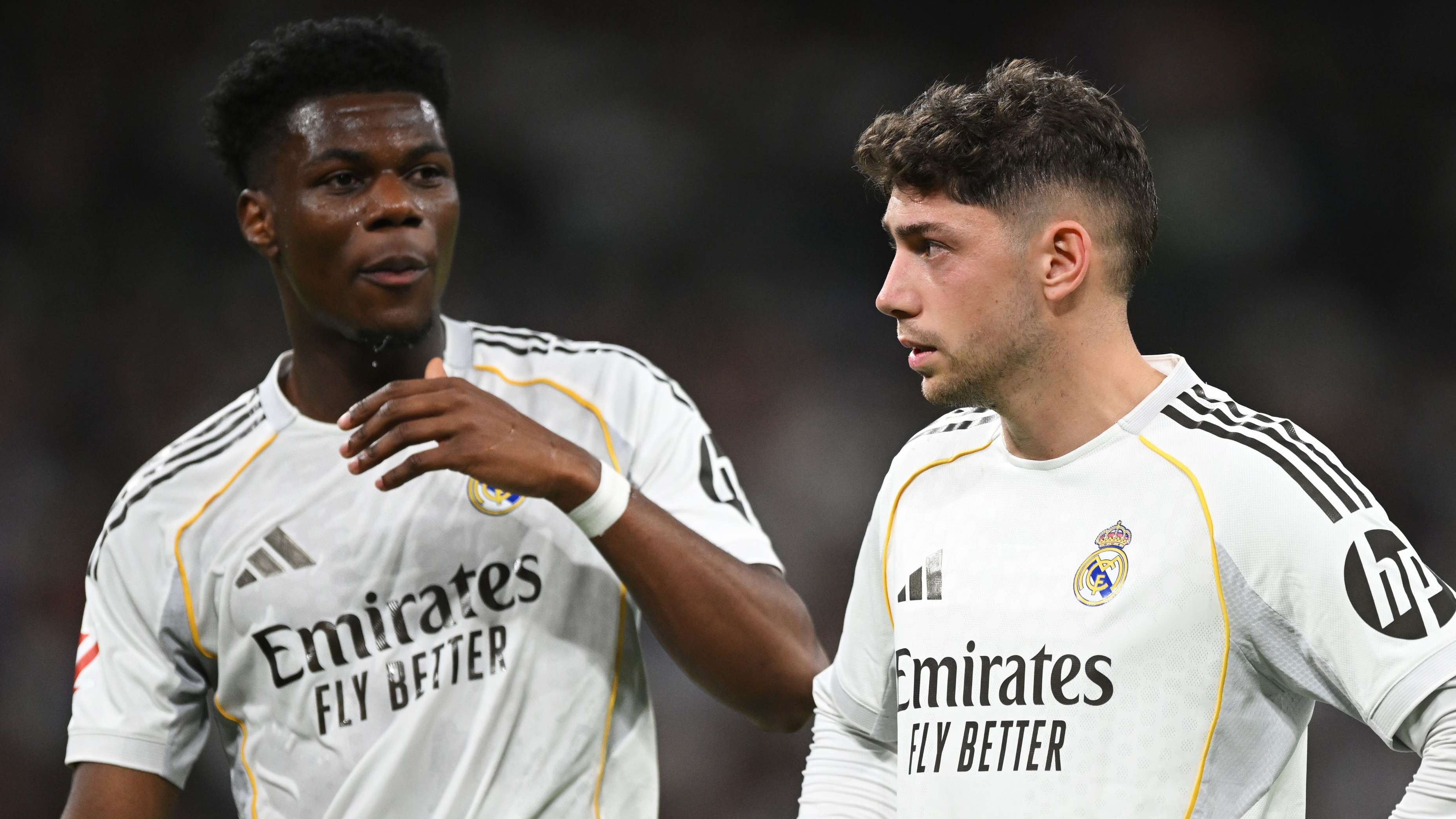
Hassan Al-Aydarous, commentating for beIN Sports, responded to the incident with a joke that referenced an earlier story involving Tchouaméni. He quipped that the midfielder had shown the child “no mercy,” just as he had with Federico Valverde the previous season.
The remark referred to a reported altercation between Tchouaméni and his Real Madrid teammate that was said to have left Valverde needing hospital treatment. By bringing up that episode, Al-Aydarous added a touch of humour to a tense moment. He also urged Tchouaméni to find the child after the match and offer comfort following the frightening experience.
The suggestion was a human one: an acknowledgement that, even when an incident is accidental, a brief gesture from the player involved can mean a great deal to a young supporter. A wave, a signed shirt or a few reassuring words can help turn a distressing moment into a more positive memory of the day.
A second shot raises fresh concern
The concern did not end with Tchouaméni’s attempt. A few minutes later, Racing Santander’s Diomandé hit another forceful shot that travelled toward the stands, with the broadcast indicating that a second child was in its path. That prompted Al-Aydarous to call for a broader solution to protect spectators from balls struck at high speed.
The back-to-back incidents highlighted how quickly an ordinary match can create an unexpected hazard for fans seated behind the goal or near the touchline. Professional players can generate significant pace on the ball, and even a shot that misses the target can reach the crowd before spectators have time to move. While stadium design and netting vary, the moments renewed discussion about whether additional safeguards are needed in certain seating areas.
Any response would need to balance safety with the traditional matchday experience. Protective netting can reduce the chance of direct contact, but some supporters prefer unobstructed views. Clubs and stadium operators therefore face a practical question: how can they better protect children and other spectators without unnecessarily changing the atmosphere of live football?
Safety remains part of the matchday experience
For families attending a game, the incident is a reminder to pay attention when play is near the stands, particularly during warm-ups, set pieces and attacking phases. Parents may also want to choose seats behind protective netting where available, especially for younger children. These precautions cannot prevent every accident, but they can reduce exposure to fast-moving balls.
Clubs also have a role to play. Clear signs, steward guidance and accessible medical support can help spectators know what to do if someone is struck. When an incident occurs, a prompt check by stadium staff can provide reassurance and ensure that anyone needing further attention is assessed quickly. The immediate reaction matters just as much as longer-term safety planning.
From a sporting perspective, the moment was an unfortunate interruption in a match that otherwise centred on Real Madrid’s league campaign and Racing Santander’s challenge. Yet it also demonstrated how football’s intensity extends beyond the pitch. A single shot can become a major talking point not because of its tactical value or effect on the score, but because of the people watching from the stands.
What the incident means for the wider football conversation
The episode is unlikely to change how players attack the goal, nor should it discourage them from striking the ball decisively. But it may encourage clubs, broadcasters and stadium authorities to review how they communicate risks to spectators. Better awareness, thoughtful seating arrangements and quick support can all help make matchdays safer.
For fans following the game, the incident also offers a reminder to separate an accidental outcome from a deliberate act. Tchouaméni’s effort was aimed at goal, not at the crowd. The reaction from Al-Aydarous acknowledged the child’s distress while using humour to keep the moment from becoming more alarming than necessary.
As for the young supporter, the hope is that the shock passed quickly and that the child was able to enjoy the rest of the occasion. If Tchouaméni did meet the youngster after the final whistle, as the commentator suggested, a personal gesture could have helped soften an otherwise frightening memory. In a sport defined by dramatic moments, this one was a reminder that the people in the stands are part of the story too.
There was no meaningful prediction to be made from the incident about the result or either team’s form. Instead, the lasting takeaway was a practical one: the speed of modern football can make even routine attacking play unpredictable, and spectator safety deserves attention alongside the action on the pitch.