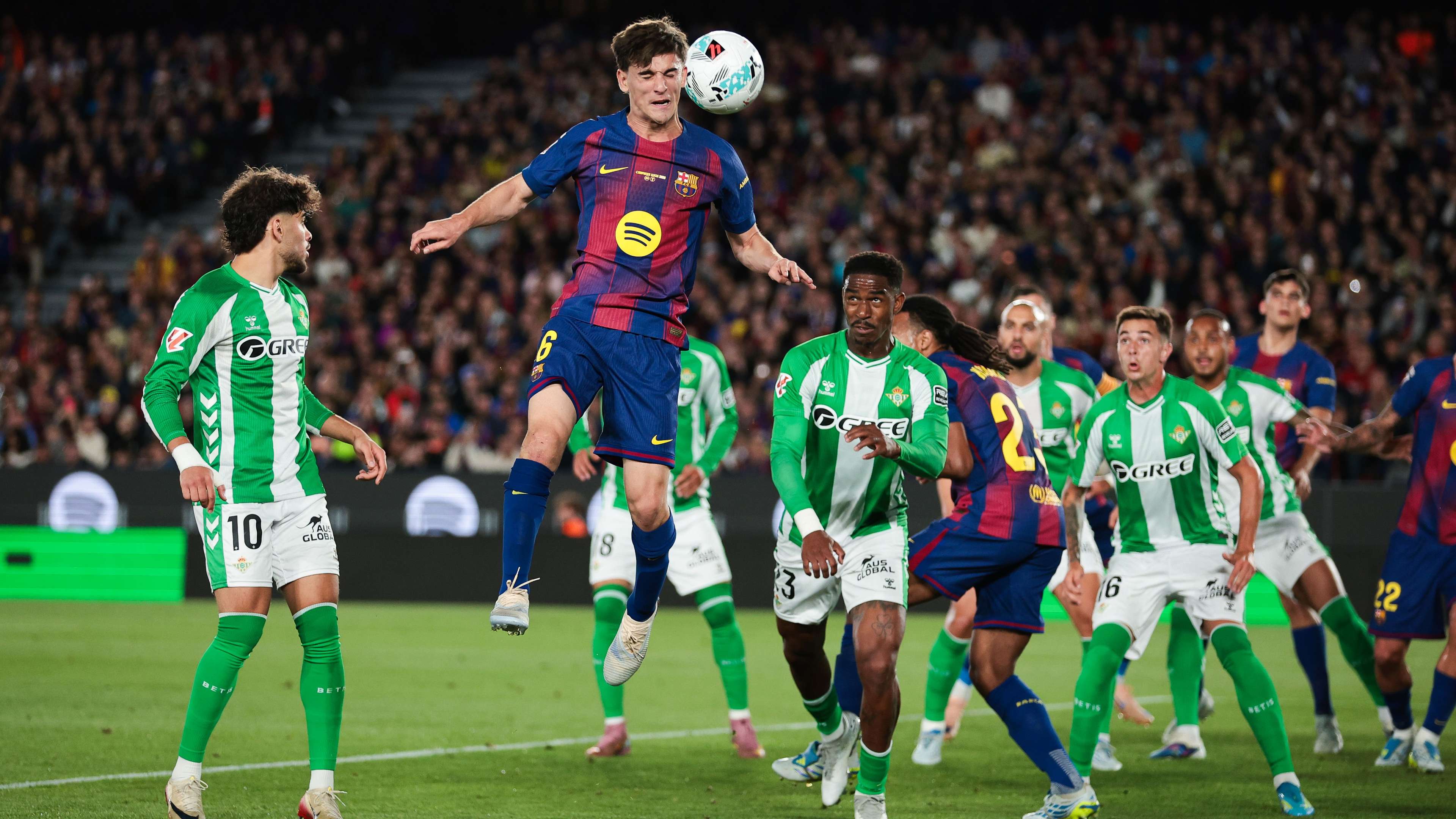
Hansi Flick Responds to José Mourinho’s Fixture-Scheduling Criticism
Barcelona coach Hansi Flick has offered a calm response to José Mourinho’s criticism of La Liga’s fixture schedule, suggesting that teams must concentrate on their performances rather than circumstances they cannot control. Mourinho, now in charge of Real Madrid, had questioned the league’s decision to place his side’s match against Valencia just days after a demanding European trip.
The disagreement has added another talking point to the rivalry between Spanish football’s leading clubs. While Mourinho believes the short turnaround raises questions about fairness and player welfare, Flick’s message was more measured: congested schedules are part of the modern game, and teams have to find ways to cope.
Why Mourinho Is Unhappy With Real Madrid’s Schedule
Real Madrid were reportedly concerned about the timing of their La Liga meeting with Valencia. The match was scheduled for Saturday, 7 November, three days after the team were due to play AEK Athens in Greece on Wednesday, 4 November.
The proposed sequence would leave Madrid with little time to recover from an away European fixture before travelling again for a domestic league match. The challenge is not simply the number of hours between kick-off times. Long-distance travel, late arrivals, disrupted sleep and limited opportunities for training can all affect how prepared players feel when they return to action.
Mourinho made his frustration clear after his team’s match against Roma. He described the schedule as a sign of “a lack of respect,” pointing to the prospect of playing in Athens, arriving back in Madrid early the following morning and then facing Valencia on Saturday.
He also questioned the explanation that television requirements were behind the fixture arrangement. Mourinho said he did not accept what he regarded as the usual broadcasting-related justification, adding that he had been involved in football long enough to be sceptical of such explanations.
Flick’s Response: Teams Can Only Control Their Performance
Asked about Mourinho’s comments ahead of Barcelona’s trip to Real Betis, Flick did not escalate the disagreement. Instead, the German coach acknowledged that scheduling practices differ between countries but said clubs have to work within the conditions set for them.
“We have faced this situation before,” Flick said, noting that football calendars are not the same everywhere. His response suggested that while fixture congestion can be difficult, it is not an unfamiliar problem for Barcelona or other teams competing across several competitions.
Flick also recalled an episode from Barcelona’s Copa del Rey campaign. The team’s flight after a cup match in Valencia was cancelled, forcing the squad to make the return journey to Barcelona by bus. Despite the disruption, the players went on to compete and, in Flick’s view, produced a strong performance.
The example offered a practical counterpoint to Mourinho’s complaint. Travel problems and short recovery windows can make preparation harder, but they do not automatically determine the result. A team’s organisation, focus and ability to adapt still matter once the match begins.
Fixture Congestion and the Demands of Modern Football
The exchange reflects a wider debate about the football calendar. Clubs competing in domestic leagues, European tournaments and cup competitions can face a demanding run of matches, particularly when international breaks and travel are added to the schedule. Coaches must manage workloads while keeping their squads competitive, often with limited time for recovery and tactical preparation.
For players, a short turnaround can bring physical and mental challenges. Recovery routines, medical monitoring and squad rotation become increasingly important when matches arrive every few days. Coaches may also have to adjust training sessions, choosing lighter preparation or video analysis instead of intense work on the pitch.
There is no single solution that suits every club. A team with a deeper squad may be able to rotate more effectively, while injuries or a thin roster can make the same schedule significantly harder. Travel distance and the timing of kick-off can also influence how much rest players actually receive—not just the number of calendar days between fixtures.
That is why fixture announcements often attract close attention from supporters and clubs alike. The schedule can shape a team’s preparation, but it can also influence the wider competition, especially when clubs believe they have been given less recovery time than their rivals.
Barcelona’s Focus Remains on Development
Flick’s comments were not limited to the immediate scheduling debate. He stressed that Barcelona could not change the circumstances around a match, but could control the quality of their work and their response on the pitch.
He said the squad remained focused and that the players were continuing to show their ability. Flick also pointed to the team’s potential to improve, framing the season as an ongoing process rather than judging progress through a single result or setback.
That approach fits the demands on Barcelona, who must balance expectations with the practical realities of a long campaign. Strong performances require more than technical quality: teams also need consistency, flexibility and the ability to stay composed when travel or scheduling disrupts normal routines.
What the Exchange Could Mean for the La Liga Prediction
For supporters considering a football prediction around Real Madrid’s meeting with Valencia, the schedule is one factor to weigh—but not the only one. A short turnaround could affect Madrid’s energy and encourage rotation, yet the quality of the squad, home or away conditions, injuries and recent form will all shape the contest.
Likewise, Flick’s remarks show why coaches often avoid treating fixture difficulties as an excuse before a match has been played. The calendar may create obstacles, but it cannot reliably predict how a team will respond. Madrid’s ability to manage recovery and Barcelona’s continued development will remain separate storylines as the season progresses.
For now, Mourinho has made his position on the schedule unmistakable, while Flick has chosen a more pragmatic route. Their contrasting reactions capture two familiar sides of elite football: coaches advocating for what they believe is fair, and teams trying to perform regardless of the conditions around them.