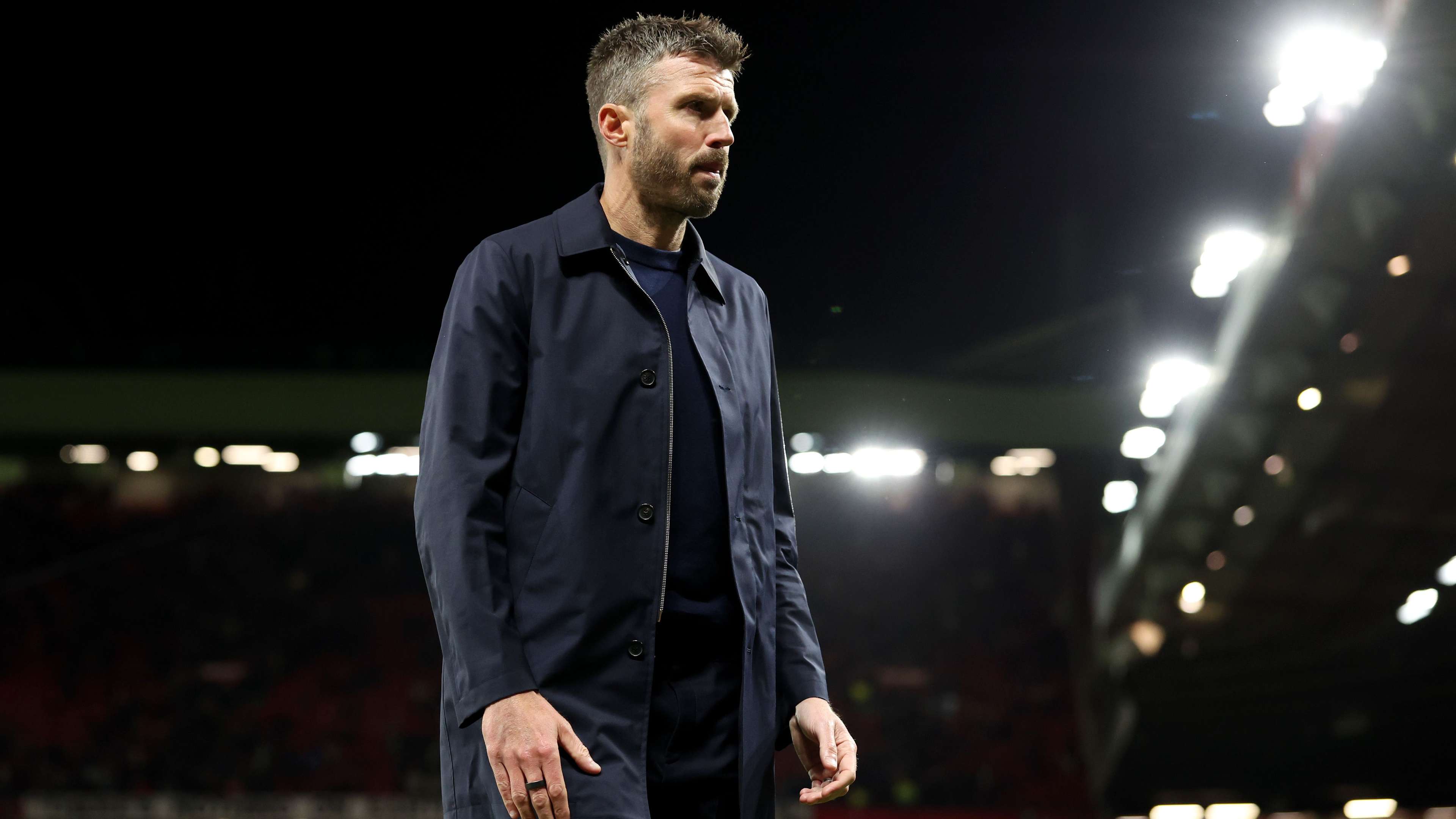

Manchester United’s Shock Draw With Tottenham Deepens Pressure on Michael Carrick
Manchester United manager Michael Carrick admitted that the boos from supporters during his team’s 1-1 draw with Tottenham Hotspur were painful, but said he understood the frustration behind them. United let a lead slip against a Spurs side reduced to ten men in the 78th minute, extending a worrying run of results and leaving the home crowd with little to celebrate.
The result marked United’s fourth consecutive league match without a win and added to the pressure surrounding a team already enduring its worst start to a league season in 40 years. For fans hoping for a response, the late equaliser felt less like an isolated setback and more like another sign of a side struggling to turn promising moments into points.
Carrick Acknowledges the Fans’ Frustration
Discontent was audible before the final whistle. Supporters jeered during the first half, and the reaction grew louder at full-time as United’s poor run continued. Carrick did not dismiss the criticism or attempt to explain it away, instead acknowledging how difficult the atmosphere had been for him and his players.
“When things do not go according to plan, I understand the fans’ reaction at times,” Carrick said after the match. “It hurts me a lot. It is not easy to go through that. But sometimes you have to go through it.”
The manager also stressed his personal connection to the club, saying he cared about United as much as anyone. However, he recognised that expressions of loyalty cannot replace results, particularly when the team has yet to find a way out of its current situation.
“Sometimes you can say a lot, because we have not come out of this situation. I understand that,” he added.
A Lead Lost Against Ten-Man Tottenham
United’s failure to hold on was especially damaging because Tottenham were reduced to ten players late in the game. With a numerical advantage and a lead to protect, the hosts had an opportunity to manage the closing stages and secure a valuable victory. Instead, Spurs found a way back, leaving United to settle for a draw that felt more like a defeat to many supporters.
That sequence will invite questions about United’s game management. Teams facing ten opponents are generally expected to control possession, limit risk and make the extra player count. Yet numerical superiority does not guarantee a result: it can also bring pressure to force the issue, while the opposition may respond with greater urgency and discipline. United’s challenge was to remain composed and turn their advantage into control, not simply to assume the match was won.
The late concession also underlined a broader concern. United have struggled to convert favourable positions into consistent results, and another dropped lead is likely to intensify scrutiny of the team’s concentration, decision-making and ability to close out tight matches. For a club with ambitions of competing near the top of the table, those details can have a major impact over the course of a season.
Second-Half Response Offers a Small Positive
Despite the result, Carrick pointed to the players’ response to the early criticism as a positive. He said the squad handled the atmosphere well and used it to improve after the break, suggesting that the team showed resilience rather than allowing the boos to undermine its performance.
“I think the players dealt with it well, and used it to turn things around in the second half,” he said.
That response may provide some encouragement, but it does not erase the frustration of the final outcome. A stronger spell after half-time matters only if it leads to greater control and, ultimately, points. United will need to show that they can sustain their better periods for a full match, particularly when opponents apply pressure late on.
For Carrick, the task is therefore twofold: restore confidence within the dressing room while convincing supporters that the team is making tangible progress. Acknowledging the fans’ anger is an important first step, but the most persuasive answer will be a more composed performance in the next league fixture.
What the Draw Means for United’s Season
One draw does not define a campaign, but the timing and manner of this result make it significant. Four league games without a win can quickly create a sense of crisis, especially when a team has already made its worst start in four decades. The longer the run continues, the more every missed chance, defensive lapse and late concession will be examined.
United’s immediate priority is to end the winless sequence and rebuild momentum. That will require sharper execution in both penalty areas, better protection of a lead and a clearer plan for managing matches when circumstances change. The Tottenham game showed that United can respond to a difficult atmosphere, but also that a promising position can disappear without ruthless game management.
Supporters will also want to see evidence that the team’s improvement is not limited to short bursts. Consistency is central to any successful football campaign, and United have yet to demonstrate it across a full run of league fixtures. Carrick’s comments show that he understands the emotional weight of the moment, but the pressure will remain until performances begin to produce victories.
Prediction: Pressure Builds Ahead of United’s Next Test
Any prediction about United’s next match must account for both their recent struggles and the possibility that the second-half response against Tottenham can become a turning point. The team showed enough spirit to suggest it has not lost belief, but its inability to protect a lead remains a serious concern. Unless United improve their composure in the closing stages, another difficult result cannot be ruled out.
The coming fixtures will offer Carrick an opportunity to turn frustration into renewed support. A disciplined win could ease the tension and give the squad a platform to recover; another dropped result would make the questions louder. For now, the 1-1 draw with Spurs captures the uncertainty surrounding United: there were signs of fight, but not enough control to deliver the outcome the team and its fans needed.