
Harry Kane’s Ballon d’Or Speech Pays Tribute to José Mourinho
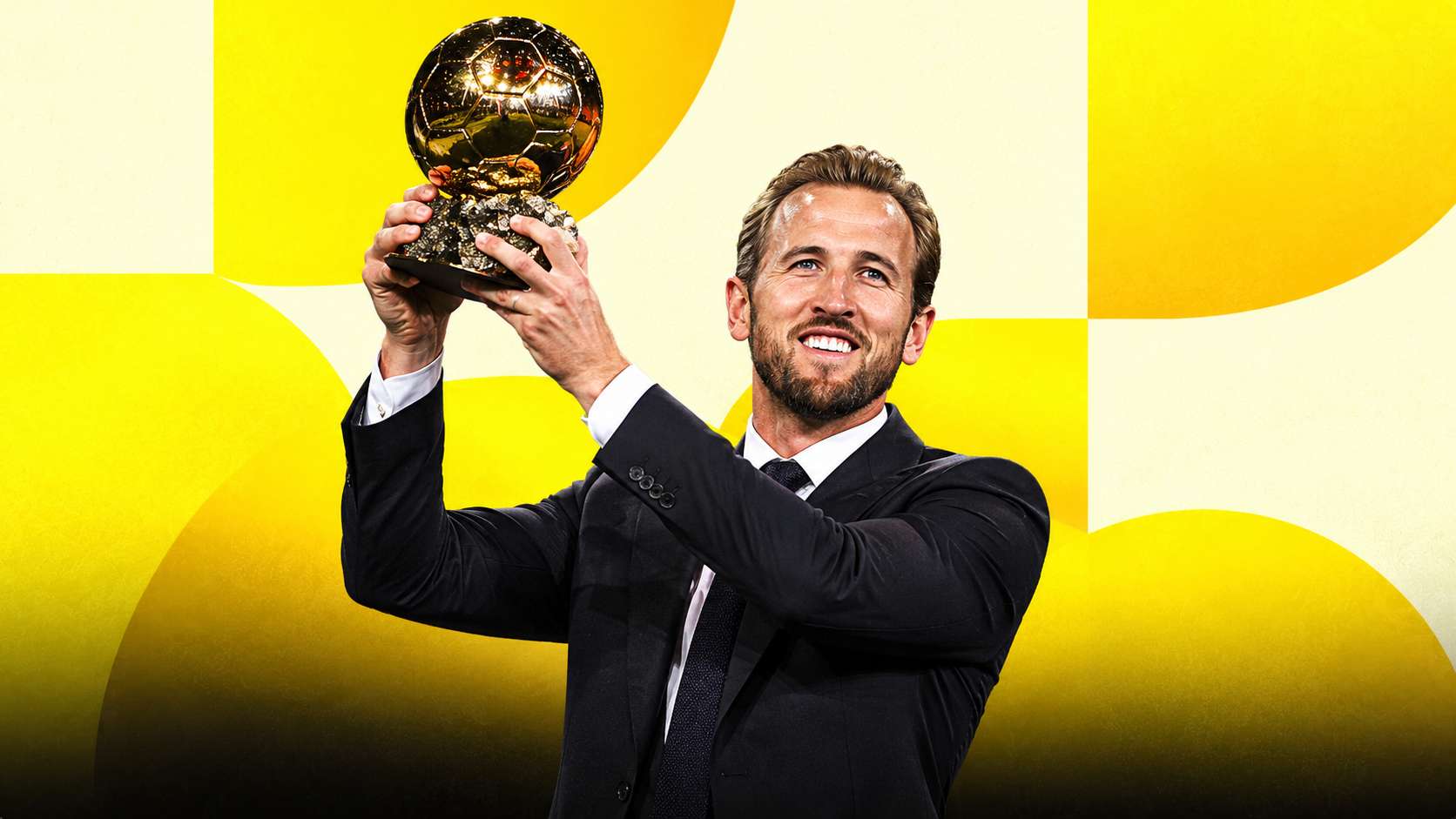
After reaching the summit of world football, Harry Kane used his Ballon d’Or acceptance speech to recognize the people who helped him get there. Among those he thanked was José Mourinho, his former Tottenham Hotspur manager, whose influence Kane has often praised when reflecting on his development as a striker and playmaker.
The England captain received the award at the London Palladium, becoming the first Englishman to win the Ballon d’Or since Michael Owen in 2001. While the individual honour marked a remarkable personal achievement, Kane made clear that he did not view it as the result of his efforts alone. His speech highlighted a career shaped by coaches, setbacks and steady progress.
Kane acknowledges the coaches behind his success
Kane began by thanking the managers who had guided him at different stages of his career. He mentioned several influential figures, including Harry Redknapp, Mauricio Pochettino and Antonio Conte, as well as Mourinho, who coached him at Tottenham between 2019 and 2021.
“Every one of you played an important role in my development, at different stages of my life, and without every one of you I would not be standing here today,” Kane said. He added that working with high-quality coaches and surrounding himself with the right people had helped him grow both as a footballer and as a person.
The message offered a glimpse into how Kane understands success: not simply as a matter of goals, trophies or individual statistics, but as the result of learning from others over many years. For supporters following the Ballon d’Or story, his remarks also served as a reminder that even the game’s most celebrated players are shaped by a wider team of mentors and colleagues.
Mourinho’s influence during their Tottenham years
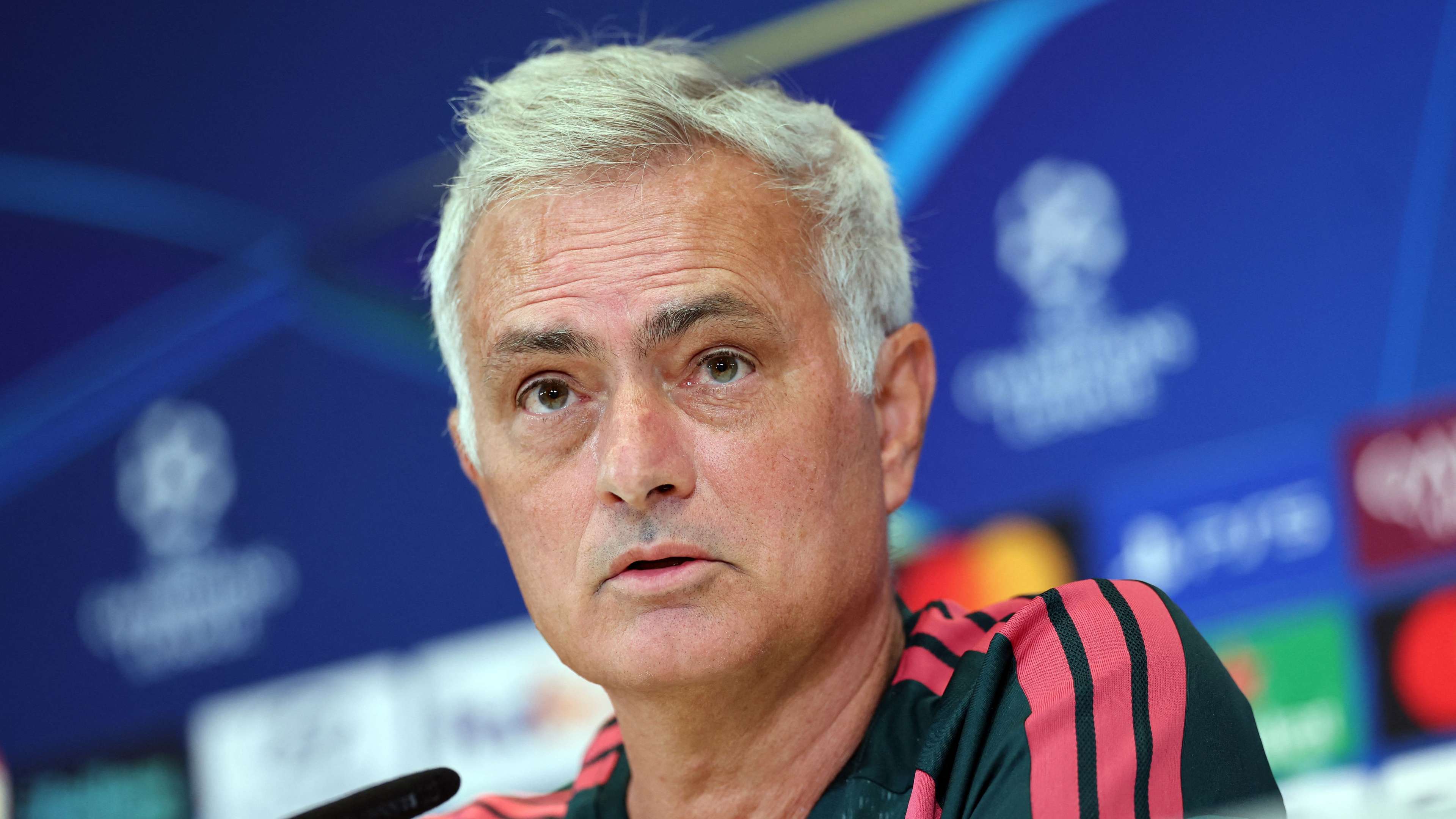
Mourinho’s inclusion was especially notable given Kane’s consistent warmth when discussing their time together at Tottenham. The Portuguese manager took charge of the north London club in 2019, and Kane became a central figure in his side before Mourinho’s departure in 2021.
During that period, Kane’s role developed beyond that of a conventional penalty-box striker. He continued to score regularly while also dropping deeper to help create chances, linking play and supplying teammates in attacking positions. That blend of finishing and creative contribution became an increasingly important part of his game.
Kane has previously spoken about producing some of his strongest performances under Mourinho. Their partnership reflected a tactical relationship in which the striker’s movement, vision and passing could be used alongside his ability to finish. The recognition in the Ballon d’Or speech therefore felt like more than a polite mention: it acknowledged a manager who had helped Kane refine different parts of his attacking game.
Mourinho has since taken charge of Real Madrid, adding another high-profile chapter to a career spent managing leading clubs and players. Kane’s tribute connects that present-day role with their shared Tottenham history, showing how coaching relationships can remain meaningful long after a player moves on.
A career shaped by setbacks and persistence
Kane also used the occasion to describe the less celebrated parts of his journey. His route to the top was not immediate or straightforward. Before establishing himself as one of the leading forwards in world football, he experienced loan spells and difficult periods that tested his confidence and determination.
Rather than presenting his career as a smooth rise, Kane described it as a process of working through obstacles and striving to reach a higher level. His account is relevant to young players who may see elite football as a direct path from promise to success. In reality, development often involves changing environments, learning from disappointment and continuing to improve when progress is not guaranteed.
That perspective gives his Ballon d’Or win an added dimension. The award celebrates the player Kane became, but his speech also drew attention to the patience and resilience required to get there. His story may offer encouragement to aspiring footballers who have faced setbacks of their own, while also underscoring the value of coaches who support players through different stages of development.
What Kane’s recognition means for English football
As the first Englishman to claim the Ballon d’Or since Owen in 2001, Kane’s victory carries significance beyond his personal career. The award places him in a select group of English players recognised as the best in the world and renews attention on the country’s influence at the highest level of the sport.
It also adds context to discussion about Kane’s standing among modern strikers. His reputation has been built on consistent goalscoring, but his ability to contribute to build-up play has broadened the way fans and analysts assess his impact. A forward who can both finish moves and help create them offers managers tactical flexibility—an asset that can matter as much as raw scoring numbers in elite competition.
Any prediction about what comes next should be treated cautiously: football careers are shaped by form, fitness, team performance and the demands of each season. Still, Kane’s award and his reflective speech suggest that his ambitions remain tied to continued improvement, rather than to a single moment of recognition.
His closing message returned to the people who had helped him along the way. Kane said he hoped his journey could inspire others, particularly those who do not reach the top immediately. By thanking Mourinho and the other coaches who influenced him, he presented the Ballon d’Or not only as a personal triumph, but also as a shared achievement built through guidance, persistence and years of hard work.