
The Truth Behind the Request to Increase Clubs in African Competitions
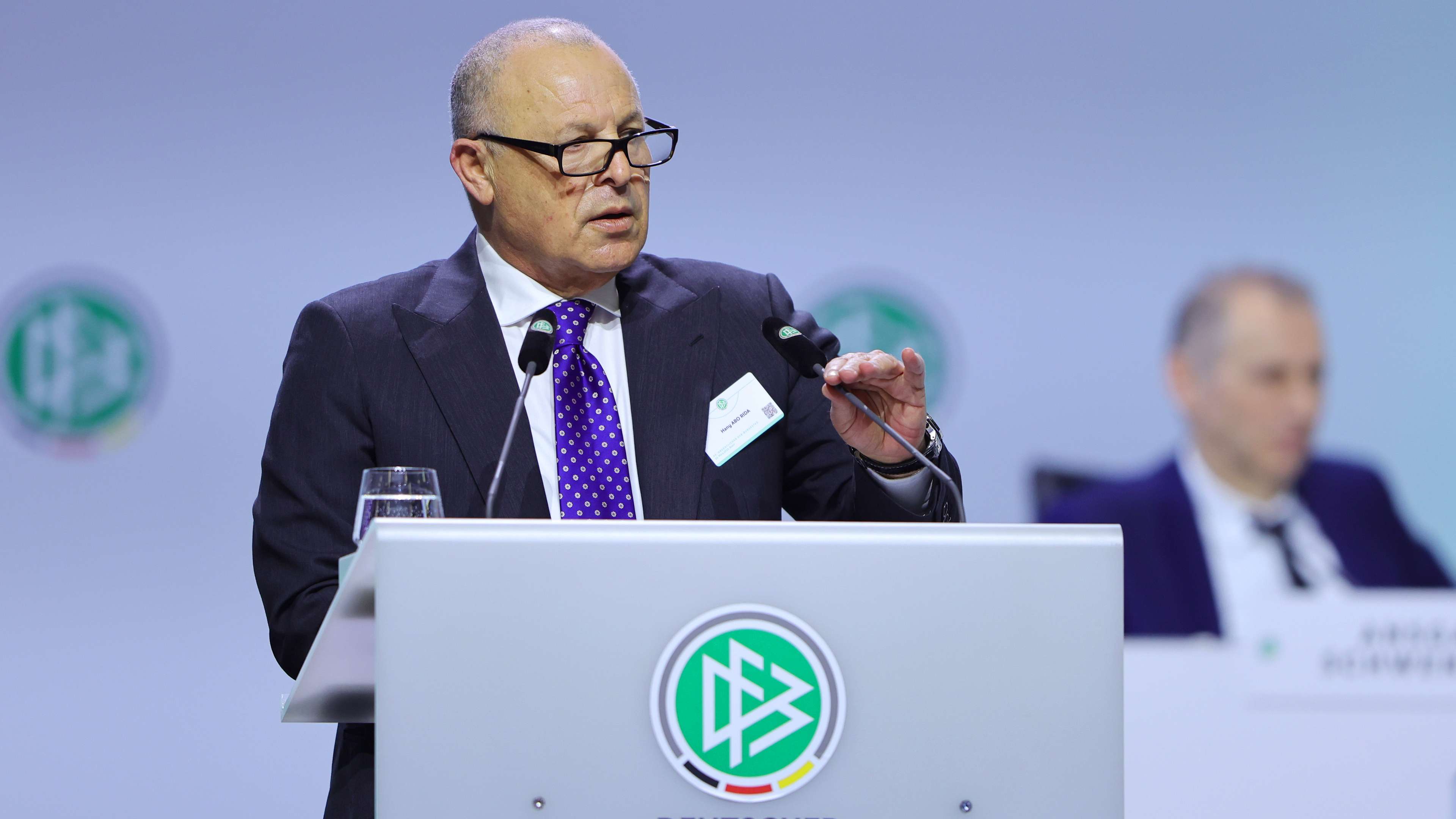
The President of the Egyptian Football Association, Hany Abo Rida, recently shed light on the reasoning behind his request to increase the number of clubs participating in African competitions. This request, he emphasized, was not solely for Egypt but for all countries represented at the World Cup and the highest-ranked associations.
Keeping Pace with Global Competitions
During an appearance on the program “Al-Soura” on the “Al-Nahar” channel with media personality Lamis El-Hadidi, Abo Rida explained that the request was made to align with the evolution of global competitions. The 2026 World Cup featured 48 teams, prompting discussions about further expansion for future editions.
Abo Rida’s motives have been questioned by some, labeling him as a supporter of either Al-Ahly or Zamalek. However, he maintained that his focus is on the betterment of Egyptian football as a whole. While the request was initially met with resistance from some associations hesitant to embrace change, consultations with African Football Confederation president Patrice Motsepe have been ongoing.
Next Steps Towards Approval
The matter of increasing the number of clubs in African competitions has now been referred to the executive office for approval in the upcoming season. This decision follows a thorough examination and consideration of marketing, commercial conditions, and aligning with the African calendar dates.
Abo Rida clarified that Al-Ahly’s president, Mahmoud El-Khatib, had not approached him regarding the increase in clubs in continental competitions. He emphasized that any official pushing for development must have the future of Egyptian football in mind, prioritizing the sport’s overall well-being over individual club interests.
Efforts of the Zamalek Administration
Abo Rida also acknowledged the diligent efforts of the Zamalek administration in resolving 18 cases at FIFA before the July 25 deadline. Despite some clubs on the African continent requesting an extension to obtain their continental licenses, the African Football Confederation declined these requests.
The President of the Egyptian Football Association made it clear that there is no favoritism towards any specific club and that the association maintains an equal distance from all. He emphasized that the ultimate goal is the advancement of Egyptian football, highlighting the significant financial contributions made by Zamalek towards player registration papers last season.
Supporting All Egyptian Clubs
In conclusion, Abo Rida emphasized the collaborative efforts between the Football Association and all clubs, not just Zamalek. The Association has worked to reschedule overdue dues for several clubs, demonstrating a commitment to supporting the growth and success of all Egyptian clubs on the international stage.
By pushing for increased participation in African competitions and promoting a fair and balanced approach to club support, the Egyptian Football Association is taking steps to elevate the country’s football landscape on a global scale.
The Impact of Increased Participation in African Competitions
Expanding the number of clubs participating in African competitions could have far-reaching effects on the continent’s football landscape. With more clubs involved, there is a greater opportunity for talent development, exposure to different styles of play, and increased competition. This could ultimately lead to an overall improvement in the quality of football in Africa.
Furthermore, by aligning with global trends towards larger competitions, African clubs would be better prepared to compete on the international stage. This could help bridge the gap between African football and other regions, leading to more competitive matches and potentially raising the profile of African clubs on a global scale.
The Role of Financial Considerations in Club Expansion
One key aspect that needs to be considered in increasing the number of clubs in African competitions is the financial implications. With more clubs participating, there will be increased costs associated with travel, accommodations, and other logistical aspects. It will be essential for football associations to ensure that adequate financial support is provided to clubs to facilitate their participation in these expanded competitions.
Additionally, increasing the number of clubs in African competitions could open up new opportunities for revenue generation. More clubs means more matches, which could attract larger audiences, sponsors, and broadcasting deals. This influx of financial resources could ultimately benefit the clubs, players, and the overall development of football in Africa.
Building a Stronger Football Ecosystem in Egypt
By advocating for increased club participation in African competitions, the Egyptian Football Association is not only looking to benefit the country’s clubs but also the football ecosystem as a whole. By promoting a fair and balanced approach to club support, the Association is laying the groundwork for a more sustainable and competitive football landscape in Egypt.
Moreover, the efforts made by the Zamalek administration in resolving FIFA cases and contributing financially towards player registration highlight the importance of strong club governance and financial stability. These factors are crucial in ensuring the long-term success and growth of Egyptian clubs on both the domestic and international fronts.
Creating Opportunities for Growth and Development
Ultimately, the push for increased participation in African competitions represents a significant step towards creating more opportunities for growth and development in Egyptian and African football. By fostering collaboration between the Football Association and all clubs, Egypt is setting the stage for a more vibrant and competitive football environment that can thrive on the global stage.
As discussions continue and decisions are made regarding the expansion of clubs in African competitions, the focus remains on advancing the sport, nurturing talent, and elevating the status of African football to new heights. Through strategic planning, financial support, and a commitment to inclusivity, African football is poised to make a mark on the world stage in the years to come.