
Erling Haaland’s Manchester City future remains tied to the club’s legal uncertainty
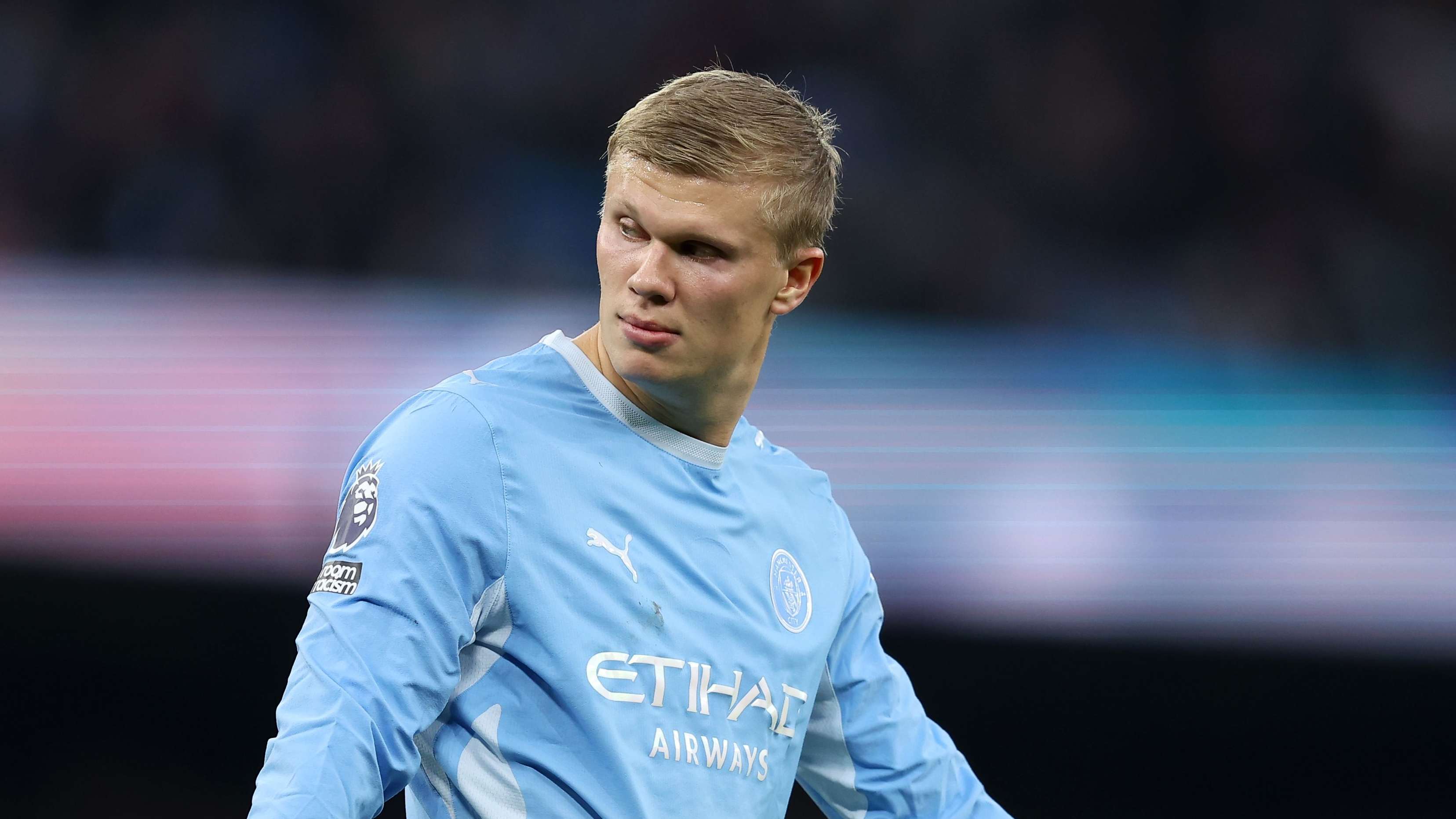
Erling Haaland has a long-term contract with Manchester City, reportedly keeping him at the club until 2034. Yet the length of that deal has not ended speculation about the striker’s future. The uncertainty is less about his performances on the pitch and more about the unresolved financial case facing City, which could have major implications for the club’s direction in the years ahead.
Haaland’s father and representative, Alfie Haaland, has declined to predict what might happen next. Instead, he says the family will wait for the outcome of the appeal proceedings linked to the Premier League’s allegations that Manchester City breached financial regulations on 115 occasions. The case has created a cloud over the club’s long-term plans—and, by extension, over the future of one of its most important players.
Why the appeal matters to Haaland’s future
For a player of Haaland’s stature, a contract is only one part of the bigger picture. Sporting ambition, the strength of the squad, the club’s ability to compete for major trophies and the stability of its long-term project can all influence a player’s thinking. City have built a team around sustained success, and Haaland has become a central figure in that vision.
The Premier League case is still a matter of legal proceedings, and the allegations should not be treated as proven findings. Manchester City have denied wrongdoing and maintain that they have evidence to support their position. The appeal process is therefore being watched closely by supporters, rivals and the wider football world, with its eventual outcome potentially shaping the conversation around the club’s future.
Alfie Haaland’s comments, reported by French outlet Foot Mercato, suggest that the family does not want to make decisions based on speculation. He said it was best to wait for the appeal proceedings, adding that developments could happen quickly. He also pointed to the intense attention directed at City from fans, rival clubs and journalists.
“Manchester City believe they have strong evidence to prove their innocence, so I think it is best to wait until the decision is issued,” he said. His remarks were measured: rather than offering a transfer hint, he placed the focus on the process and the need for clarity before drawing conclusions.
A prolific start keeps the spotlight on the striker
On the pitch, Haaland has continued to give City exactly what they need from their leading forward. He opened the season with nine goals in his first nine Premier League appearances, a return that underlined his ability to turn chances into goals at remarkable speed. His only blank in that opening run came in City’s 1-0 defeat to Brighton.
That form helps explain why every comment about his future attracts such attention. Haaland is not simply a goal scorer in City’s system; he is one of its defining players and the most recognisable face of its current attacking project. His movement, physical presence and finishing shape how opponents defend against City, while his output can decide matches even when the team is not at its best.
For fans searching for a football prediction about what comes next, however, the available evidence does not point to an immediate departure. Haaland remains under contract for many years, is producing consistently and is publicly focused on playing. At the same time, a long deal cannot guarantee that circumstances will never change. Until the legal process reaches a clearer stage, any confident prediction about his future would be premature.
Haaland’s stated priority is football
Alfie Haaland also pushed back against the idea that the case is dominating his son’s daily thinking. He said Erling wants to play football for as long as possible and is concentrating on that ambition. In his view, it is people outside the pitch who are more preoccupied with the proceedings.
That distinction matters. Players are often drawn into wider debates about a club’s finances, ownership or legal position, even when those issues are being handled separately from their work on the field. Haaland’s immediate responsibilities remain familiar: stay fit, lead the attack and help City compete across domestic and European competitions. His performances so far suggest that the external noise has not disrupted his scoring rhythm.
Still, the case cannot be separated entirely from the club’s sporting future. A final decision could affect public perceptions of City and, depending on the outcome and any consequences, could influence planning and expectations. For an elite player whose career is built around competing for the biggest honours, the club’s long-term environment is naturally relevant—though that does not mean a move is imminent or inevitable.
What supporters should watch next
The most important development to follow is the appeal process, not the latest transfer rumour. Until there is an official outcome, reports linking Haaland with other clubs should be treated cautiously. His father’s comments offer no timetable for a decision and no suggestion that the striker is preparing to leave. They instead reinforce a simple position: wait for the facts before judging what the case could mean.
For Manchester City, keeping Haaland focused and surrounded by a competitive squad will remain a priority. For the striker, maintaining his extraordinary scoring pace may be the clearest response to the speculation. And for supporters, the balance of evidence points to patience: a long contract, strong performances and an expressed commitment to football all support the view that his immediate focus remains at City.
Haaland’s future is therefore not a settled transfer story, but neither is it a question that can be dismissed. The club’s legal challenge, the appeal’s eventual outcome and City’s ability to sustain their sporting ambitions will all shape the discussion. Until those factors become clearer, the most reliable prediction is that Haaland will continue doing what he does best—scoring goals while the rest of football waits for answers.