
Al Nassr’s pursuit of Humam Al-Hamami faces uncertainty after reported transfer dispute
Al Nassr’s reported interest in Al Shabab winger Humam Al-Hamami has encountered an unexpected complication, with the young Saudi international said to be unsettled by how his club handled discussions about a possible move. While the transfer remains unresolved, the situation has placed fresh attention on Al-Hamami’s contract, his growing reputation and the choices facing both Riyadh clubs.
Reports from the programme Al Montasaf claim the 22-year-old was unhappy with Al Shabab’s willingness to consider a proposed swap deal involving Al Nassr goalkeeper Nawaf Al-Aqidi. Under the reported arrangement, Al-Aqidi would move to Al Shabab while Al-Hamami headed in the opposite direction to Al Nassr, known locally as “Al-Alami.” The player is understood to have reservations about the way his future was discussed, although the details and status of any negotiations have not been officially confirmed.
Why Al-Hamami has become a sought-after name
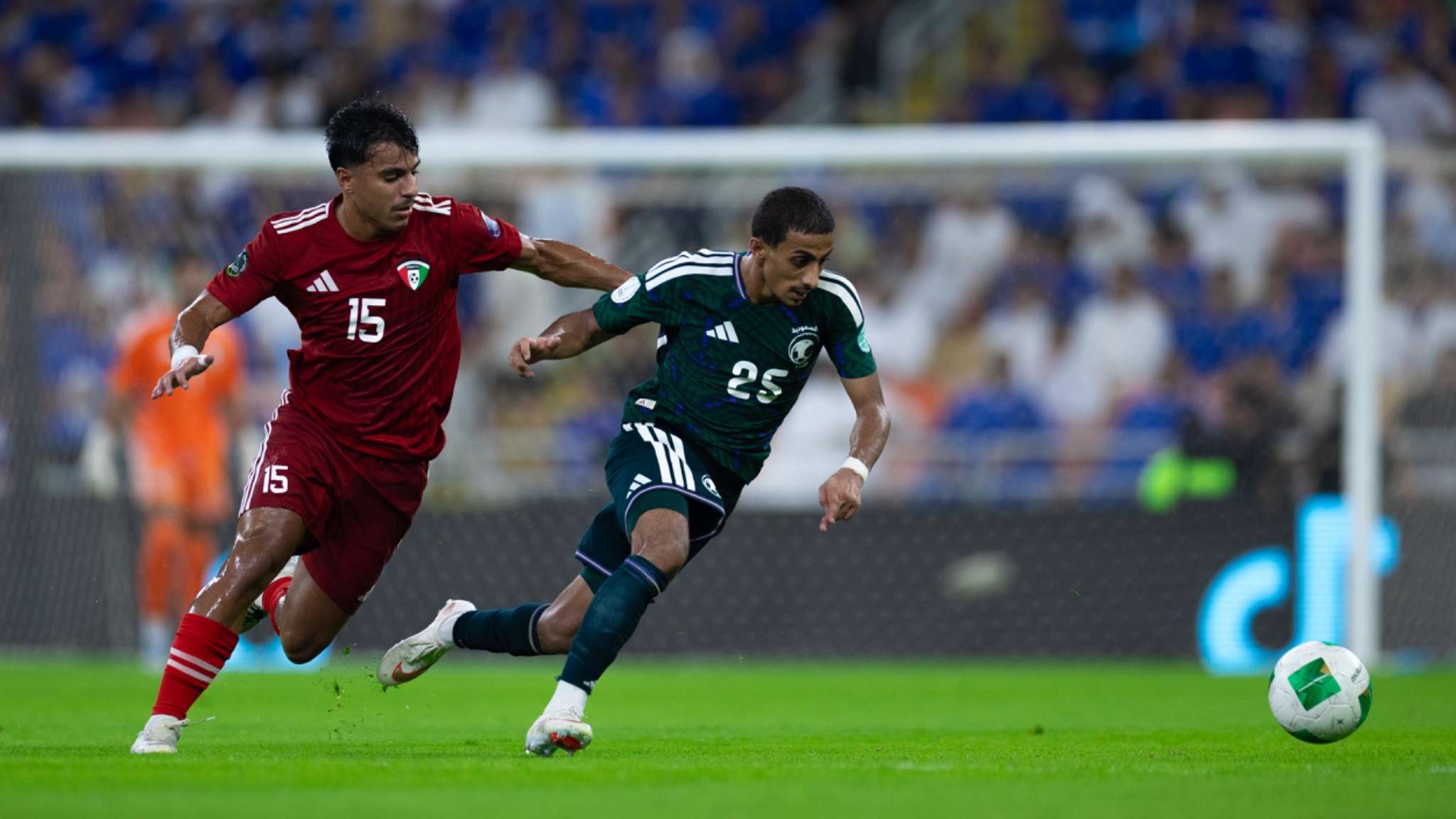
Al-Hamami’s rising profile follows an impressive international campaign at the 27th Gulf Cup. He played a prominent role as Saudi Arabia’s Green Falcons claimed their fourth title in the competition’s history and was named the tournament’s best player. That recognition has strengthened his standing as one of the country’s most exciting young attacking talents.
For clubs seeking to add homegrown quality, his appeal is easy to understand. Al-Hamami offers pace and attacking energy from the wing, while his recent performances suggest he can handle the demands of high-pressure matches. Gulf Cup form alone does not guarantee success in the Saudi Pro League, but a major individual award can increase a player’s visibility and make him an attractive target for teams looking to improve both their present squad and long-term options.
Al Nassr’s interest reportedly reflects a desire to reinforce its attacking choices with promising Saudi players. Domestic talent can bring more than depth: it can help clubs balance squad needs, build continuity and develop players who may contribute to the national team. However, any move for Al-Hamami now appears to depend not only on the clubs’ willingness to negotiate, but also on the player’s own view of how his career should progress.
Contract timing gives the winger leverage
A key factor is the reported expiry date of Al-Hamami’s contract, which is due to run out at the end of the current season. If no renewal is agreed, he could enter the free-transfer period in January and negotiate with other clubs before his existing deal ends. A club that reaches an agreement could then sign him to join once the contract expires in the summer, subject to the applicable regulations and the terms of any agreement.
That timeline puts pressure on Al Shabab. The club can still seek to keep the winger by agreeing an extension, but delaying negotiations could leave it with fewer options. If Al-Hamami reaches the final months of his contract without renewing, rival teams may be able to approach him directly, increasing the possibility that Al Shabab loses a valuable player without receiving a transfer fee.
For Al Nassr, the contract situation could make the pursuit more complicated as well as more attractive. The club may prefer to secure a transfer sooner, but a player approaching free agency has greater control over his destination. If Al-Hamami is dissatisfied with the way the reported swap proposal was handled, a straightforward offer and clear communication may matter as much as the financial terms.
Al Shabab faces a delicate decision
Al Shabab must now balance its sporting ambitions with the need to maintain a constructive relationship with one of its most promising players. A renewal could protect the club’s investment and give Al-Hamami a central role in its plans. But contract talks are rarely resolved by salary alone. The player may also want clarity about his status, playing opportunities and the club’s intentions for his development.
The reported swap proposal has added another layer to those discussions. Even if Al Shabab viewed the arrangement as a practical way to strengthen its squad, the suggestion may have been received differently by the player. In modern football, transfer decisions can affect trust between a club and an athlete, particularly when a player feels that his future has been discussed without sufficient consideration of his preferences.
At the same time, Al Shabab will need to consider the wider squad implications. Losing Al-Hamami could weaken its options on the flank, while retaining him would provide continuity and preserve a player whose value has risen after his international success. The club’s next steps could therefore shape not only the winger’s future but also its recruitment strategy for the coming season.
What happens next?
For now, Al-Hamami’s destination remains uncertain. He could renew with Al Shabab, move to Al Nassr if the clubs and player find common ground, or consider interest from another side as the contract window approaches. No final decision has been announced, and the reports of discontent should be treated as part of an evolving story rather than confirmation that a transfer is imminent.
The coming months are likely to be decisive. Al Shabab will want to avoid allowing negotiations to drift, while Al Nassr may continue monitoring the situation and assessing whether a formal approach is possible. Al-Hamami, meanwhile, has the opportunity to weigh sporting ambitions against stability and decide where he believes he can make the greatest impact.
Prediction: If Al Shabab cannot quickly reassure Al-Hamami and make progress on a renewal, interest from Al Nassr and other Saudi Pro League clubs is likely to intensify as January approaches. A move is not guaranteed, especially given the reported tension surrounding the proposed swap, but the winger’s contract position gives him meaningful leverage. The outcome may ultimately depend on whether Al Shabab can restore confidence—or whether Al Nassr offers a clearer path to the next stage of his football career.