
Manchester City Manager Pep Guardiola Faces Scrutiny Over Tactical Decisions
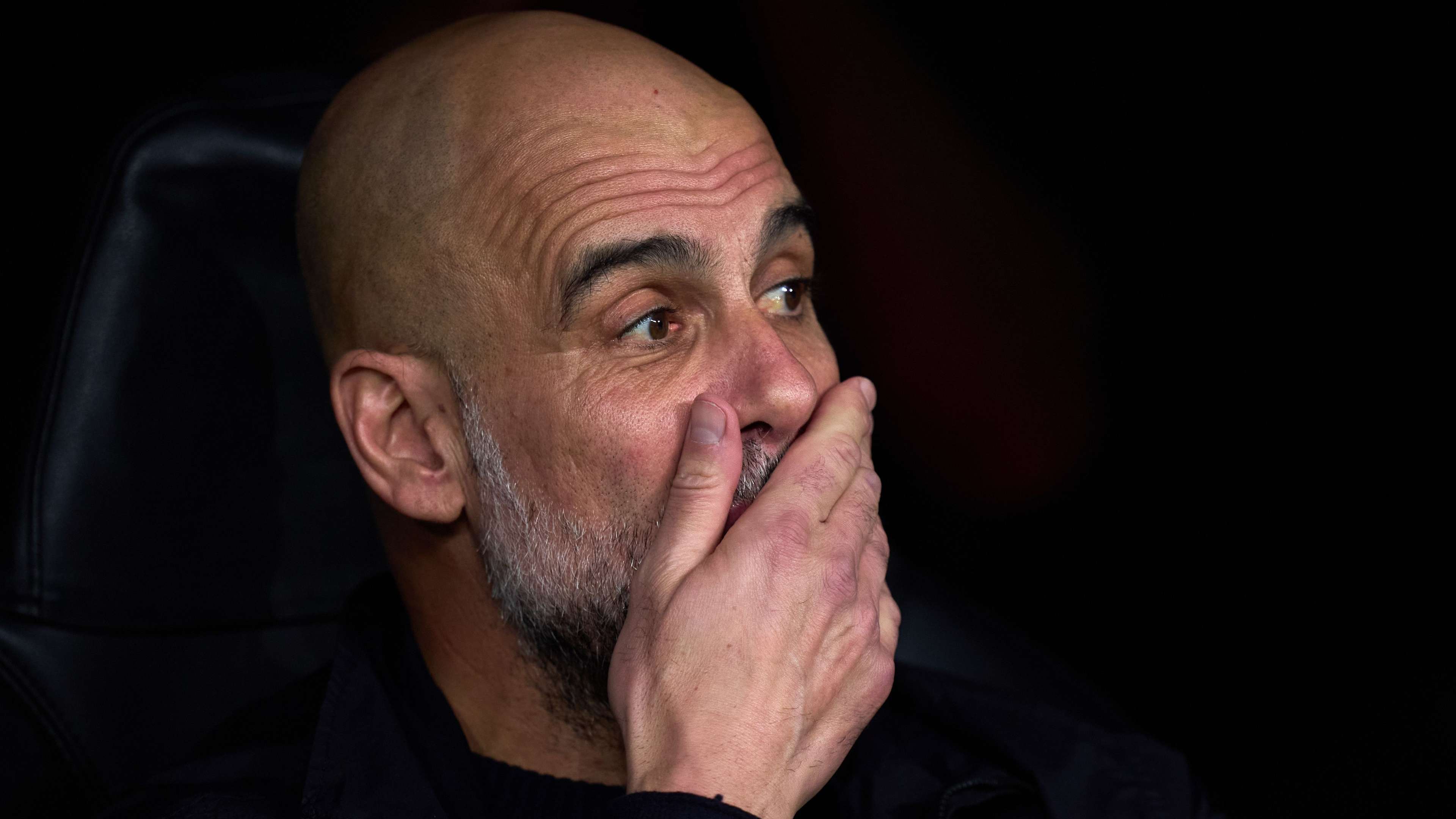
Manchester City manager Pep Guardiola is no stranger to the spotlight when it comes to his tactical decisions. Known for his bold and innovative strategies on the football field, Guardiola has often faced scrutiny from fans and pundits alike. The recent match at the London Stadium against West Ham United was no exception, with many questioning his handling of young talent Rayan Cherki.
Rayan Cherki’s Impact as a Substitute
During the match, Rayan Cherki, a promising young talent, was brought on as a substitute in the second half. His impact on the game was immediate, injecting energy and creativity into Manchester City’s attack. Cherki’s quick feet, vision, and ability to unlock defenses caught the attention of fans and pundits alike. Many were left wondering why Guardiola did not start the young starlet from the beginning.
Cherki’s performance as a substitute stood in stark contrast to the lackluster output of some of the starters. His presence on the field seemed to galvanize the team and provided a much-needed spark in the final third. Fans were quick to praise the young midfielder for his composure and skill under pressure, leading to calls for Guardiola to give him more playing time in future matches.
Guardiola’s Response to Criticism
In the aftermath of the match, Guardiola addressed the criticism surrounding his decision to bench Cherki. The manager emphasized the need for balance in the squad and the importance of managing young players’ development carefully. Guardiola acknowledged Cherki’s talent and potential but stressed the need for patience and gradual integration into the first team.
Guardiola’s tactical acumen has been a key factor in Manchester City’s success in recent years. However, his handling of Cherki has raised questions about his willingness to take risks and trust in youth. As the season progresses, Guardiola will have to navigate the delicate balance between nurturing young talent and achieving results on the field.
The Importance of Squad Rotation
One of the challenges facing Guardiola is the need to rotate his squad effectively to keep players fresh and maintain a high level of performance throughout the season. With a busy schedule ahead, including domestic and European competitions, Guardiola will have to make tough decisions about team selection and playing time.
While Cherki’s impact as a substitute was undeniable, Guardiola’s decision to bring him on late in the game may have been a calculated move to maximize his impact. As the young midfielder continues to impress in training and in matches, Guardiola will have to strike a balance between giving him opportunities to shine and protecting his development.
Looking Ahead
As Manchester City prepares for their next match, all eyes will be on Guardiola’s team selection and tactical decisions. The spotlight will once again be on the manager as fans and pundits analyze his choices and predict the outcome of the game. With Cherki’s performance fresh in their minds, supporters will be eager to see if Guardiola gives the young talent a chance to shine from the start.
Whether Guardiola’s handling of Cherki pays off remains to be seen, but one thing is certain: the spotlight will continue to shine on the Manchester City manager as he navigates the challenges of managing a talented squad and achieving success on the football field.
The Evolution of Guardiola’s Tactical Philosophy
Guardiola’s reputation as a tactical genius in football is well-deserved, stemming from his time at Barcelona where he revolutionized the game with his possession-based style of play. His ability to adapt and innovate has been a hallmark of his coaching career, leading to success at clubs like Bayern Munich and now Manchester City.
While Guardiola’s tactical decisions may come under scrutiny, it is essential to recognize the complexity of managing a top-tier football team. Every decision, from team selection to substitutions, is made with careful consideration of numerous factors such as player fitness, opponent analysis, and long-term squad planning. Guardiola’s approach is not just about winning individual matches but also about building a cohesive team capable of sustained success.
The Role of Data and Analytics in Modern Football
In today’s football landscape, data and analytics play a crucial role in decision-making for managers like Guardiola. Advanced metrics and scouting technology provide valuable insights into player performance, opponent tendencies, and tactical strategies. Guardiola’s use of data-driven analysis helps him make informed decisions that maximize his team’s chances of success on the field.
When evaluating young talents like Cherki, Guardiola likely relies on a combination of traditional scouting methods and data analytics to assess their potential impact. By analyzing various performance indicators such as passing accuracy, shot creation, and defensive contributions, Guardiola can make more informed decisions about player development and playing time.
The Balancing Act of Managing Expectations
Managing a squad of talented players, each with their own ambitions and expectations, is a delicate balancing act for Guardiola. While fans and pundits may clamor for young stars like Cherki to be given more opportunities, Guardiola must consider the broader context of squad dynamics, team chemistry, and long-term development goals.
Guardiola’s emphasis on patience and gradual integration of young players highlights his commitment to nurturing talent and ensuring their long-term success. While immediate results are crucial in the high-stakes world of professional football, Guardiola’s focus on sustainable growth and development sets him apart as a manager who values the future of his players as much as present performance.
The Influence of Football Culture and Tradition
Guardiola’s approach to managing young talents like Cherki is also influenced by the rich football culture and tradition of clubs like Manchester City. With a history of developing homegrown talent and promoting youth players, City’s ethos aligns with Guardiola’s philosophy of building from within and fostering a sustainable pipeline of talent.
By understanding and embracing the traditions of the club, Guardiola can navigate the pressures and expectations of fans and stakeholders while staying true to his principles of excellence and innovation. The blend of tradition and modernity in football management is a delicate dance that Guardiola executes with finesse, earning him respect and admiration from both players and supporters.
Conclusion: Guardiola’s Legacy and Impact
As Manchester City’s season unfolds and Guardiola faces continued scrutiny over his tactical decisions, it is important to appreciate the complexity and nuance of football management at the highest level. Guardiola’s legacy as a visionary coach who pushes the boundaries of the sport while staying true to its core values is a testament to his enduring impact on the game.
While the spotlight may shine brightly on Guardiola in moments of criticism or praise, his unwavering commitment to excellence, innovation, and player development sets him apart as a true footballing visionary. As he continues to navigate the challenges of managing a talented squad and achieving success on the field, Guardiola’s legacy as one of the greatest managers in football history is secure.