
Anthony Gordon Opens Up About England’s World Cup Semi-Final Exit and Tactical Controversies
The recent FIFA World Cup semi-final between England and Argentina has left football fans worldwide buzzing with debate and speculation. Central to this intense discussion is Anthony Gordon, the talented winger whose remarkable performance initially sparked hope for England’s victory before the team’s dramatic collapse. In a candid interview, Gordon has broken his silence regarding the controversial tactical decisions made by head coach Thomas Tuchel, shedding light on the emotional rollercoaster experienced by the players and fans alike.
From Hero to Substitution: Anthony Gordon’s Impact on England’s Journey
Anthony Gordon’s journey in the tournament was nothing short of remarkable. The young winger, renowned for his agility, vision, and goal-scoring ability, was thrust into the spotlight when he netted a crucial goal that put England ahead in the semi-final against Argentina. His strike electrified the stadium and ignited hopes of reaching the World Cup final for the first time in decades.
Gordon’s goal was a testament to his rising status in international football and demonstrated why many football pundits consider him a key player for England’s future. His ability to create scoring opportunities and break down tight defenses made him a valuable asset throughout the tournament. Fans and analysts alike praised his performances, viewing him as a symbol of England’s attacking prowess.
Unsettling Substitution Sparks Debate Among Fans and Experts
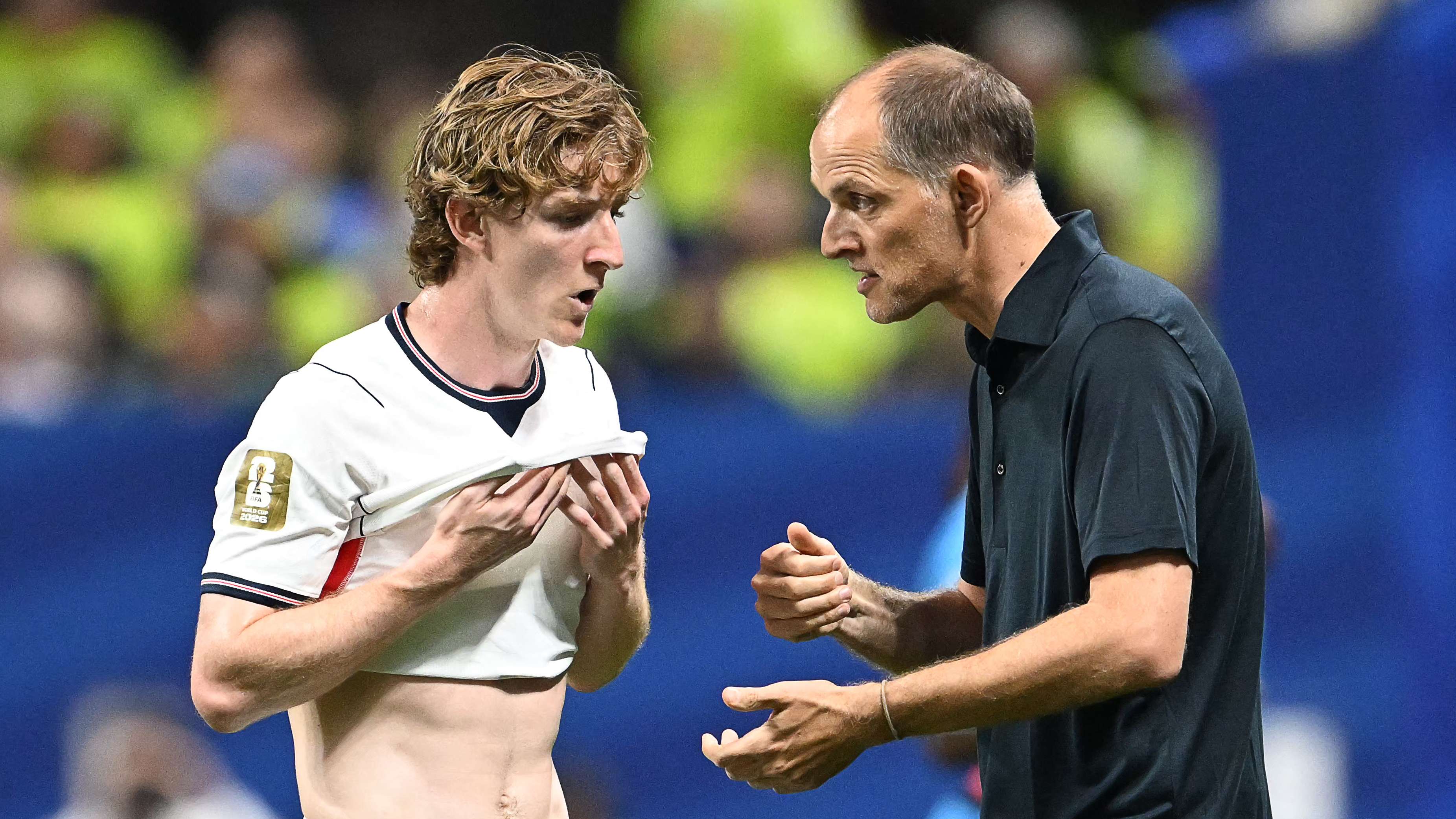
However, the narrative took an unexpected turn when coach Thomas Tuchel made the decision to substitute Gordon late in the match, replacing him with a defensive player. This tactical change was met with shock and confusion from spectators, commentators, and even the players themselves. The decision appeared to signal a shift in strategy, prioritizing defensive stability over offensive momentum as England sought to hold onto their lead.
In his recent remarks, Anthony Gordon expressed his surprise at the substitution, revealing the emotional and mental impact such decisions can have on a player. “I was fully prepared to continue giving my best on the pitch, and I was caught off guard when I was taken off,” Gordon admitted. “It’s part of the game, but as a player, you always want to contribute and help your team win.”
The Tactical Choices That Changed the Course of the Match
To understand the full context of Gordon’s comments, it’s essential to analyze the tactical decisions that defined the semi-final. Historically, coaching strategies in football—especially at the World Cup level—are complex, involving a delicate balance between attack and defense. In this case, Tuchel’s decision to withdraw Gordon and bolster the defense was aimed at protecting the lead but ultimately backfired when Argentina equalized and later secured victory.
Many football experts have debated whether the substitution was justified. Some argue that holding onto attacking options might have increased England’s chances of sealing the game, especially considering Gordon’s ability to create scoring opportunities. Others believe that a more defensive approach was necessary given the high stakes and the strength of Argentina’s attacking line.
Implications for England’s Future and Tactical Prediction
The fallout from England’s semi-final exit raises important questions about future tactical predictions and team management at the international level. Football prediction models often emphasize the importance of flexibility and adaptability, traits that could have been better employed in this scenario. The semi-final demonstrated how even a talented squad can be vulnerable to strategic shifts and psychological pressures during high-stakes matches.
Looking ahead, England’s coaching staff will likely revisit their tactical approach, especially regarding player substitutions and game management. The semi-final also highlighted the importance of understanding player psychology, as unexpected substitutions can impact team morale and individual performances.
What This Means for Football Prediction and Fan Engagement
The controversy surrounding the tactical decision has sparked widespread discussion among football fans, analysts, and betting enthusiasts interested in football prediction. It underscores the unpredictable nature of football, where a single substitution can alter the entire outcome of a match. As a result, predicting football matches—especially those at the World Cup level—requires nuanced insights into team strategies, player psychology, and coaching philosophies.
Many football prediction websites and experts are now emphasizing the importance of analyzing managerial decisions alongside traditional team form and player statistics. The England vs. Argentina semi-final serves as a case study in how tactical choices can make or break a team’s chances, reminding fans that football remains a sport of uncertainties and surprises.
Expert Insights and Future Outlook
Football analysts suggest that the semi-final outcome may influence future tactical predictions at the international level. Coaches are encouraged to adapt their strategies based on the specific context of each match, considering factors such as opponent strength, game state, and player form. The Gordon substitution exemplifies how tactical rigidity can sometimes be detrimental, and flexibility could be the key to success in future tournaments.
Furthermore, Anthony Gordon’s candid reflections offer valuable insights into the player’s mindset and the emotional toll of high-pressure games. His openness about being shocked by the substitution highlights the importance of clear communication between coaching staff and players, especially during critical moments in a match.
Conclusion: A Lesson in Football Strategy and Prediction
The England semi-final defeat against Argentina has provided a wealth of lessons for the football community. From the impact of tactical decisions to the importance of player psychology, the match exemplifies the unpredictable and strategic nature of modern football. For fans and bettors interested in football prediction, it underscores the necessity of considering managerial tactics and in-game decisions alongside traditional statistics.
Anthony Gordon’s heartfelt commentary adds a human dimension to the tactical controversy, reminding everyone that football is not just about winning or losing but about the passion, strategy, and resilience of the players and coaching staff. As the sport continues to evolve, analyzing such moments will be crucial for making more accurate predictions and understanding the game’s intricate dynamics.
In the end, the semi-final serves as a poignant reminder that in football, surprises are part of the thrill—and sometimes, a single tactical choice can define history.