
Sevilla Escalate Refereeing Protests After 4-1 Defeat to Real Madrid
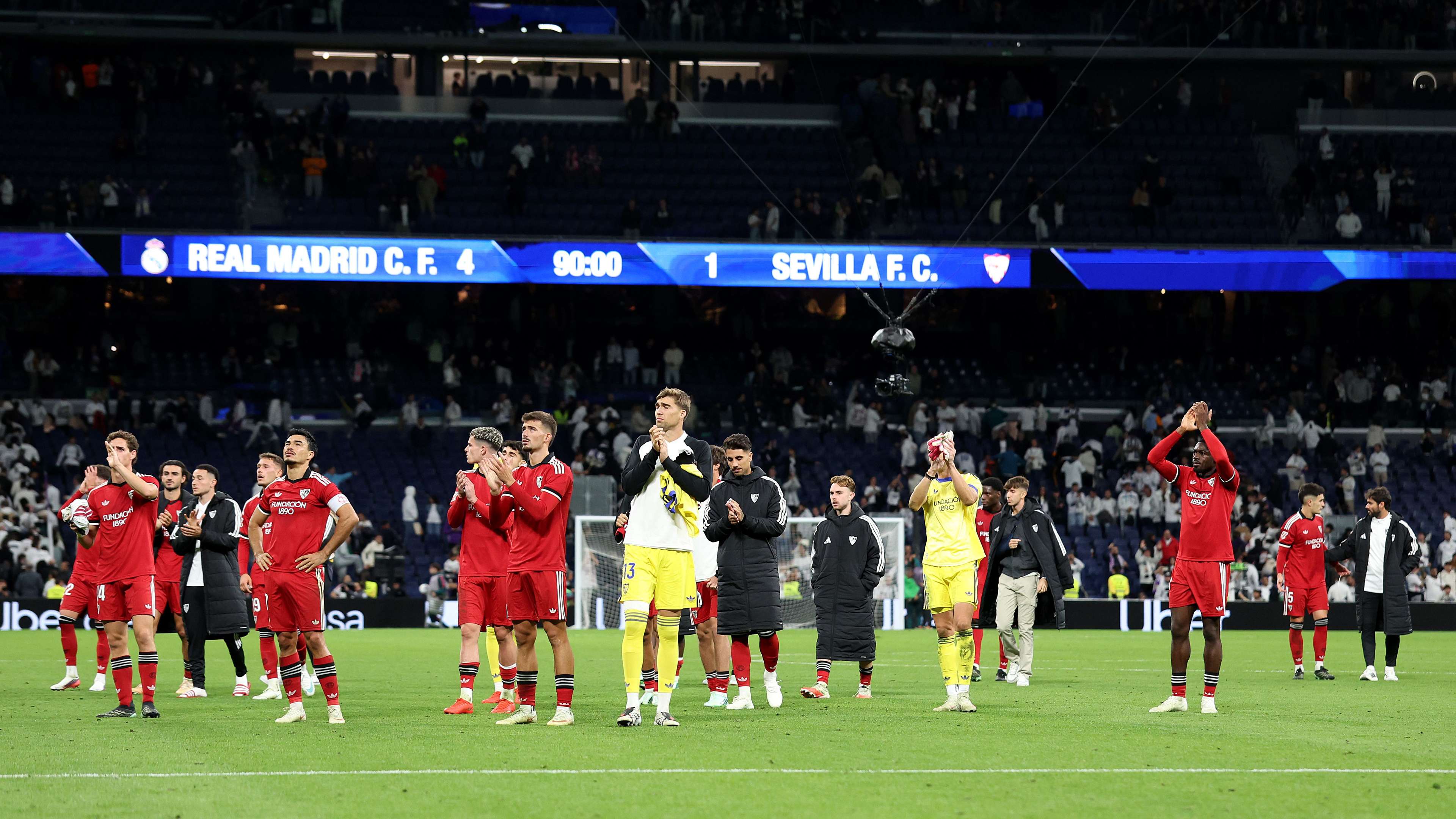
Sevilla’s heavy 4-1 loss to Real Madrid at the Santiago Bernabéu has sparked a fierce debate over refereeing decisions, with the Andalusian club arguing that several key incidents affected their ability to compete. Players, head coach Luis García Plaza and the club’s official social media accounts all voiced frustration after the match, focusing on a challenge by Arda Güler and a disputed incident involving Ibrahima Konaté and Oso.
The result was a damaging one for Sevilla, but the controversy quickly became a major part of the post-match discussion. The club believes that important calls went against them at crucial moments, while Madrid’s victory strengthened the spotlight on the decisions that shaped the game. For supporters following the latest football news, the dispute has added another chapter to a season already marked by arguments over VAR and disciplinary consistency.
Sevilla Question Two Key Incidents
One of Sevilla’s main complaints concerned Güler’s challenge on Peque in midfield. The visitors felt the tackle deserved a foul and more serious disciplinary consideration, but the video assistant referee did not intervene. García Plaza later suggested that the decision had a significant impact on the match and on Sevilla’s chances of making the contest more competitive.
“They denied us the chance to play a different match,” the Sevilla coach said after the defeat. His comment reflected the belief within the team that the incident was not simply an isolated refereeing judgment, but a moment that could have changed the flow of the game. Sevilla’s argument is that a different decision might have altered the balance of the contest, especially while the match was still developing.
The club also questioned Konaté’s challenge on Oso before one of Madrid’s goals. Sevilla wanted officials to review the full sequence, claiming the contact should have been examined more closely before play continued. The timing of the replay became part of the complaint, with the club suggesting that viewers were not shown the incident quickly enough to assess the build-up for themselves.
Social Media Turns Sarcastic
Sevilla used social media to make its displeasure unmistakable. After broadcaster Movistar compared Kylian Mbappé’s goal to a work of art displayed in the Louvre, the club replied with a pointed reference to Madrid’s Prado Museum. “With the Prado museum so close by, you go to the museum famous for thefts!” Sevilla wrote.
The post was framed as a sarcastic jab, but its message was clear: the club believed the officiating had taken something away from its performance. Sevilla followed up with another post about the Konaté-Oso incident, asking, “Can you rewind 18 seconds? We want to see the whole incident.” The comments quickly drew attention from fans and football media, extending the argument well beyond the final whistle.
Such online responses have become a familiar feature of modern football, where clubs can communicate directly with supporters and challenge decisions in real time. But public criticism can also intensify scrutiny of referees and increase pressure on governing bodies to explain how VAR reviews are handled. In this case, Sevilla’s posts turned a post-match complaint into a wider conversation about transparency and consistency.
Frustration Follows Another Disciplinary Dispute
The anger in Madrid came only days after Sevilla objected to Isaac Romero’s dismissal against Levante. The club has argued that the red card was unjustified and has pointed to other incidents it believes were treated differently. That recent dispute has contributed to a broader sense of frustration within the squad and coaching staff.
García Plaza was not the only Sevilla figure to speak out after the defeat. Juan Iglesias also voiced objections, while the club’s official website summarised its position with the brief line: “An elbow, and that’s that.” The wording captured the sharp tone of Sevilla’s response and suggested that the club sees the latest controversy as part of a recurring pattern rather than a single unfortunate call.
However, disputed decisions are often interpreted differently by the teams involved, match officials and neutral viewers. The central challenge for football authorities is to ensure that similar incidents receive consistent treatment and that the reasons behind VAR decisions are clearly understood. Without that clarity, even a convincing scoreline can leave the losing side feeling that the contest was shaped by more than the quality of play.
What the Result Means for Sevilla
The defeat has made for a frustrating period for Sevilla. Since league competition resumed, they have collected one point from a possible six, slowing some of the momentum built earlier in the season. Although the club remains clear of the relegation zone, dropped points have made the task of climbing the table more difficult.
That context helps explain why the result has prompted such a strong response. Sevilla are not only dealing with disappointment from a high-profile loss; they are also trying to protect their progress in a competitive league campaign. A poor run can quickly increase pressure on players and coaches, making the next fixture important for both confidence and position in the standings.
Sevilla’s immediate priority will be to move on from the controversy and restore their balance when they face Osasuna at the end of next week. The match offers an opportunity to respond on the pitch, where a stronger performance could help shift attention away from the Bernabéu debate. For García Plaza, the challenge will be to ensure that frustration does not distract the squad from its footballing objectives.
Sevilla vs Osasuna Prediction: A Chance to Reset
Any prediction for Sevilla’s next match will depend heavily on how quickly the team recovers from the Madrid defeat. Their recent results point to a need for greater consistency, but playing with renewed focus could help them regain momentum. Osasuna will pose a demanding test, so Sevilla will need to defend carefully, make better use of possession and take their chances when they arrive.
The refereeing row is unlikely to disappear immediately, particularly while Sevilla continue to seek answers about the incidents they have highlighted. Still, the club’s season will ultimately be shaped by results across the campaign, not just by the arguments that follow individual matches. Sevilla now face a choice: allow a difficult week to linger, or use it as motivation to produce a composed response in their next football fixture.