
Liverpool Legend Steven Gerrard Expresses Concerns Over Club’s Identity
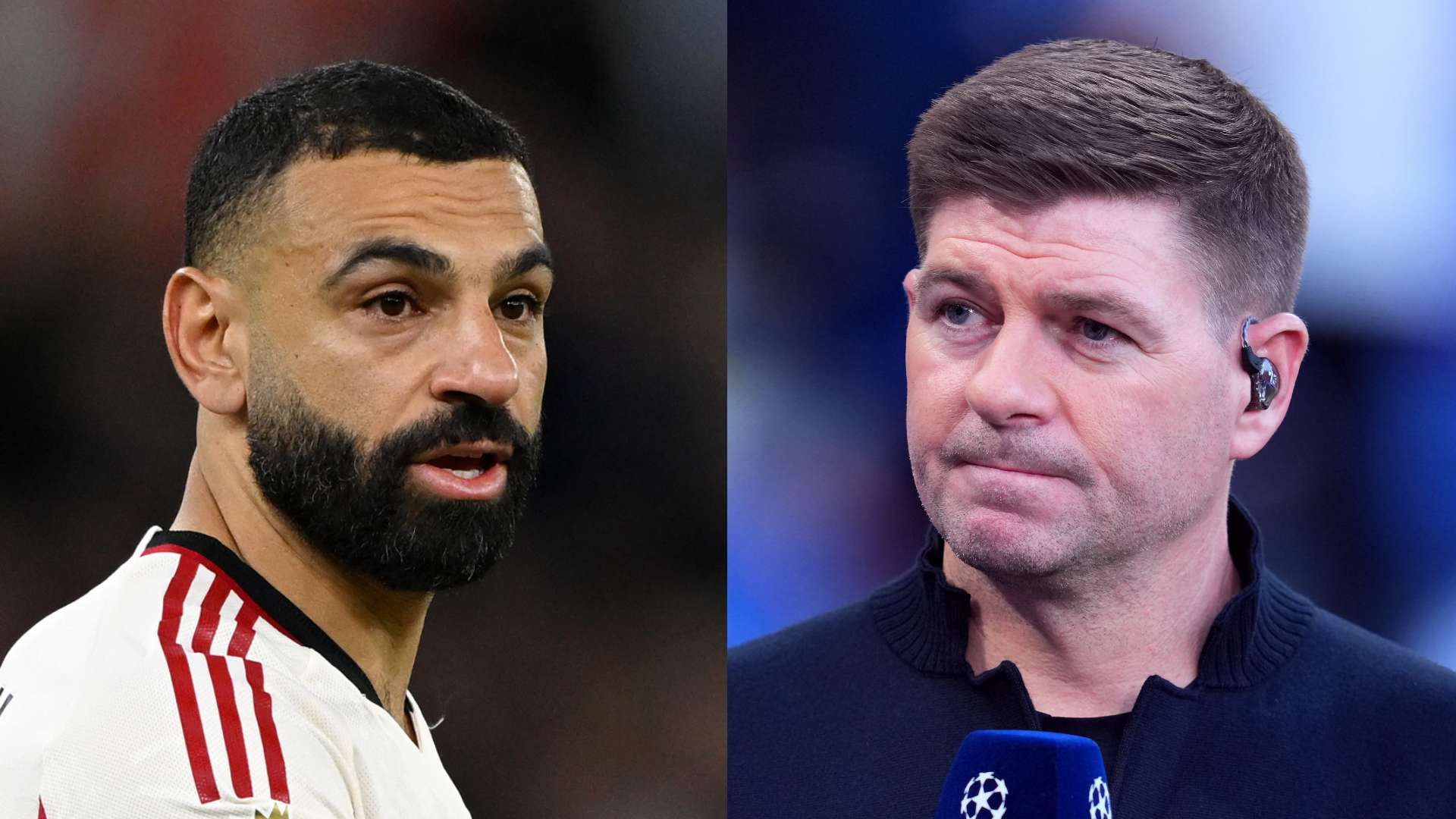
Former Liverpool captain, Steven Gerrard, has raised concerns about the current state of the club, stating that the team’s “identity is gone” amidst a disappointing season under manager Arne Slot. Gerrard’s comments come in the wake of a controversial social media post by star player Mohamed Salah, which has caused a stir within the Anfield hierarchy.
Gerrard’s Critique of Liverpool’s Performance
Gerrard, who is regarded as one of Liverpool’s greatest players, has not held back in his assessment of the team’s recent performances. The former midfielder highlighted the lack of identity within the squad, a departure from the club’s traditional style of play that has brought them success in the past.
Speaking to reporters, Gerrard expressed his disappointment at the team’s struggles under Arne Slot, who took over as manager at the start of the season. The Liverpool legend emphasized the importance of maintaining the club’s identity and playing style, which he believes has been lost in recent matches.
Mohamed Salah’s Controversial Social Media Post
Gerrard’s comments were sparked by a social media post from Mohamed Salah, in which the Egyptian forward appeared to question the team’s tactics and performance on the field. Salah’s post has been interpreted as a veiled criticism of the coaching staff and the direction of the team under Slot.
The post quickly gained attention among fans and pundits alike, with many speculating on the implications of Salah’s message for the club’s future. Gerrard’s response to the post has added fuel to the fire, with many now questioning the harmony within the Liverpool squad and the leadership of the coaching staff.
The Impact of Gerrard’s Critique
Gerrard’s comments have reignited the debate surrounding Liverpool’s performance this season, with many fans expressing their own concerns about the team’s form. The club, which has a rich history of success, is currently struggling to replicate past achievements on the field.
As a former player who understands the ethos and values of Liverpool Football Club, Gerrard’s words carry weight among supporters and the wider football community. His critique of the team’s identity crisis has prompted discussions about the direction in which the club is heading and the changes that may be needed to revive their fortunes.
Looking Ahead
With Liverpool facing a crucial period in their season, Gerrard’s comments have added a new dimension to the ongoing discussions about the team’s future. As the club looks to bounce back from a series of disappointing results, the pressure is mounting on Arne Slot and his players to address the issues raised by Gerrard and restore the club’s identity on the field.
It remains to be seen how Liverpool will respond to Gerrard’s critique and whether the team can turn their season around to meet the expectations of their fans and stakeholders.
The Importance of Identity in Football
Identity in football goes beyond just playing style; it encompasses the values, traditions, and culture of a club. For Liverpool, a team known for its attacking football, high pressing, and never-say-die mentality, losing that identity can have far-reaching consequences. Fans identify with the club’s ethos and expect to see it reflected on the pitch.
When a team loses its identity, players may struggle to perform at their best, unsure of their roles and responsibilities. This lack of clarity can lead to disjointed performances, as seen in Liverpool’s recent struggles. It is crucial for a club to have a clear identity that guides its decision-making on and off the field.
The Role of Leadership in Maintaining Identity
Leadership, both on the pitch and in the coaching staff, plays a crucial role in upholding a club’s identity. Managers are responsible for instilling the club’s values in the players, defining a playing style that reflects those values, and creating a cohesive team environment where everyone is aligned towards a common goal.
In the case of Liverpool, the departure of Jurgen Klopp, a manager who embodied the club’s identity, has left a void that Arne Slot is yet to fill. It is essential for leadership to not only understand the club’s history and traditions but also to adapt and evolve them to meet the demands of modern football.
The Impact of Social Media on Football
Social media has become a powerful tool for footballers to express themselves and connect with fans, but it also comes with its challenges. A single post can spark controversy, create rifts within a team, and influence public perception of players and clubs.
Players like Mohamed Salah must be mindful of how their posts are interpreted and the potential consequences they may have on team dynamics and performance. Clubs, on the other hand, must navigate the delicate balance between allowing players to express themselves and maintaining a cohesive team environment.
The Path to Redemption
For Liverpool, the path to redemption lies in rediscovering their identity, both on and off the field. It will require a collective effort from players, coaching staff, and management to realign themselves with the club’s values and playing style.
Addressing Steven Gerrard’s concerns head-on, Liverpool must introspect, make necessary adjustments, and commit to a renewed sense of purpose as they look to salvage their season and restore faith among fans. The road ahead may be challenging, but with the right leadership and a united front, Liverpool can overcome this identity crisis and emerge stronger on the other side.
By delving deeper into the importance of identity in football, the role of leadership in maintaining it, the impact of social media, and the path to redemption for Liverpool, this expanded content provides a comprehensive analysis of the issues raised by Steven Gerrard’s critique. It offers fresh perspectives and insights to enrich the reader’s understanding of the situation at the club.