
Germany Dominates Serbia in UEFA Nations League Clash: A Tactical Masterclass and Predictive Insights
In a highly anticipated UEFA Nations League encounter, Germany showcased their football prowess with a commanding 2-0 victory over Serbia at the Allianz Arena. This match not only highlighted Germany’s tactical discipline and creative brilliance but also provided valuable insights for football enthusiasts and betting enthusiasts alike, especially those interested in football prediction and analysis. The game was characterized by dominant possession, strategic control, and a standout performance from young star Florian Wirtz, who played a pivotal role in orchestrating the hosts’ offensive successes.
Germany’s Tactical Dominance: An Exhibition of Control and Creativity
From the very first whistle, Germany established their intent with a clear tactical blueprint aimed at controlling possession and limiting Serbia’s attacking opportunities. The hosts enjoyed an astonishing 73% of ball possession, a statistic that underscores their mastery over the game’s tempo and flow. This level of dominance allowed Germany to dictate play and systematically dismantle Serbia’s defensive structure.
The tactical approach was built around a high pressing game combined with precise positional play, ensuring that Serbia was confined to minimal attacking threats. Throughout the match, the visitors managed only a single shot on target, a testament to Germany’s defensive organization and disciplined structure. The match’s expected goals (xG) metrics vividly illustrate the disparity in chances created: Germany amassed an xG of 4.05, indicating their numerous high-quality scoring opportunities, while Serbia’s negligible 0.02 reflected their inability to threaten consistently.
Key Moments and Player Performances
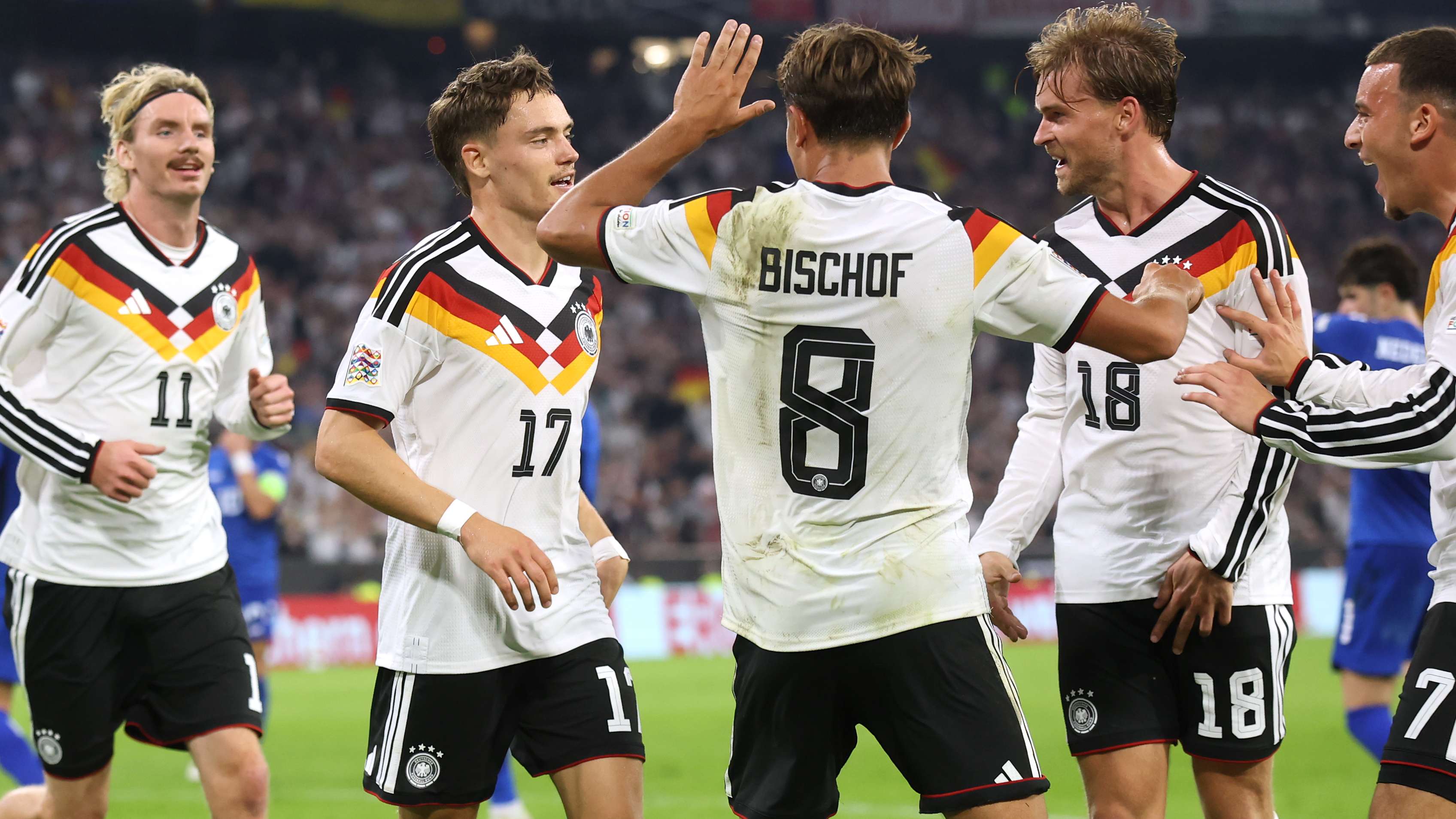
The opening goal came just before halftime, in the 39th minute, and was a product of exceptional teamwork and individual brilliance. Florian Wirtz, a young midfielder with a burgeoning reputation, played a crucial role in setting up Tom Bischof’s finish. Wirtz’s vision and creativity unlocked Serbia’s defensive lines, showcasing why many regard him as one of the brightest talents in European football.
After the break, Germany continued their relentless pursuit of a second goal. Wirtz, demonstrating his versatility, shifted from playmaker to finisher in the 61st minute. This time, he finished off a well-constructed move involving Maximilian Mittelstädt, sealing the victory and effectively ending Serbia’s hopes of a comeback. His performance not only demonstrated his technical skill but also his tactical intelligence and composure in front of goal.
Statistical Insights and Prediction Implications
The sheer volume of shots—30 attempts in total—signifies Germany’s offensive dominance. Although the finishing could have been more clinical, the tactical rhythm maintained by the hosts suggests a team well on course for consistent success in future fixtures. For football prediction enthusiasts, this match offers several takeaways: Germany’s ability to control possession and create high-quality chances makes them strong contenders in upcoming tournaments and qualifiers.
Furthermore, the clean sheet and the dominant xG difference reinforce the team’s defensive solidity and attacking potency. Such data points are invaluable for analysts and bettors seeking to forecast future performances or assess the likelihood of goal lines and match outcomes. Based on this performance, Germany’s prospects in the UEFA Nations League and beyond appear promising, with the potential for high-scoring games and tactical wins.
Contextualizing the Victory: What It Means for Germany and Serbia
This victory not only boosts Germany’s morale but also underscores their strategic evolution under current coaching staff. The team’s ability to maintain possession, create numerous chances, and execute their game plan with precision bodes well for their fixtures ahead. Young talents like Florian Wirtz are emerging as key figures, providing both creative spark and goal-scoring threat, which adds a fresh dimension to Germany’s tactical setup.
On the other hand, Serbia faces the challenge of re-evaluating their defensive organization and attacking options. The limited offensive output highlights the need for tactical adjustments and perhaps a focus on increasing their goal threat in future matches. For football prediction models, this game serves as a case study in how dominant possession and tactical discipline can nullify opponents, especially when combined with individual brilliance.
Looking Ahead: The Future of German Football and Prediction Strategies
As Germany continues their campaign in the UEFA Nations League, their performances will be closely scrutinized by analysts and fans alike. The team’s ability to maintain control, generate multiple scoring opportunities, and secure clean sheets makes them a formidable opponent in any fixture. For those engaged in football prediction, these insights reinforce the importance of considering possession stats, expected goals, and individual player form when forecasting match outcomes.
Moreover, the emergence of young talents like Wirtz adds a layer of excitement and unpredictability to future predictions. His versatility and composure under pressure suggest that Germany’s attacking options will only improve as the team develops further. Such factors are crucial when assessing odds and making informed betting decisions, especially in markets that focus on goal totals, clean sheet probabilities, and individual player performances.
Conclusion: A Showcase of Tactical Excellence and Predictive Value
Germany’s comprehensive 2-0 victory over Serbia in this UEFA Nations League clash was much more than just a result. It was a demonstration of tactical mastery, creative brilliance, and strategic discipline—all of which are key elements for successful football prediction and analysis. The match serves as an exemplary case for understanding how possession dominance and chance creation influence outcomes, providing valuable insights for fans, analysts, and bettors looking to refine their football prediction strategies.
As both teams look toward future fixtures, Germany’s confidence and style of play suggest they will remain a force to be reckoned with. Meanwhile, Serbia will need to adapt and innovate to challenge their opponents more effectively. For enthusiasts of football prediction, this game underscores the importance of integrating statistical data, player form, and tactical insights into comprehensive forecasting models, ensuring more accurate and engaging predictions in the evolving landscape of international football.