
Germany Eyes Hosting 2038 or 2042 World Cup: FIFA Approval Needed
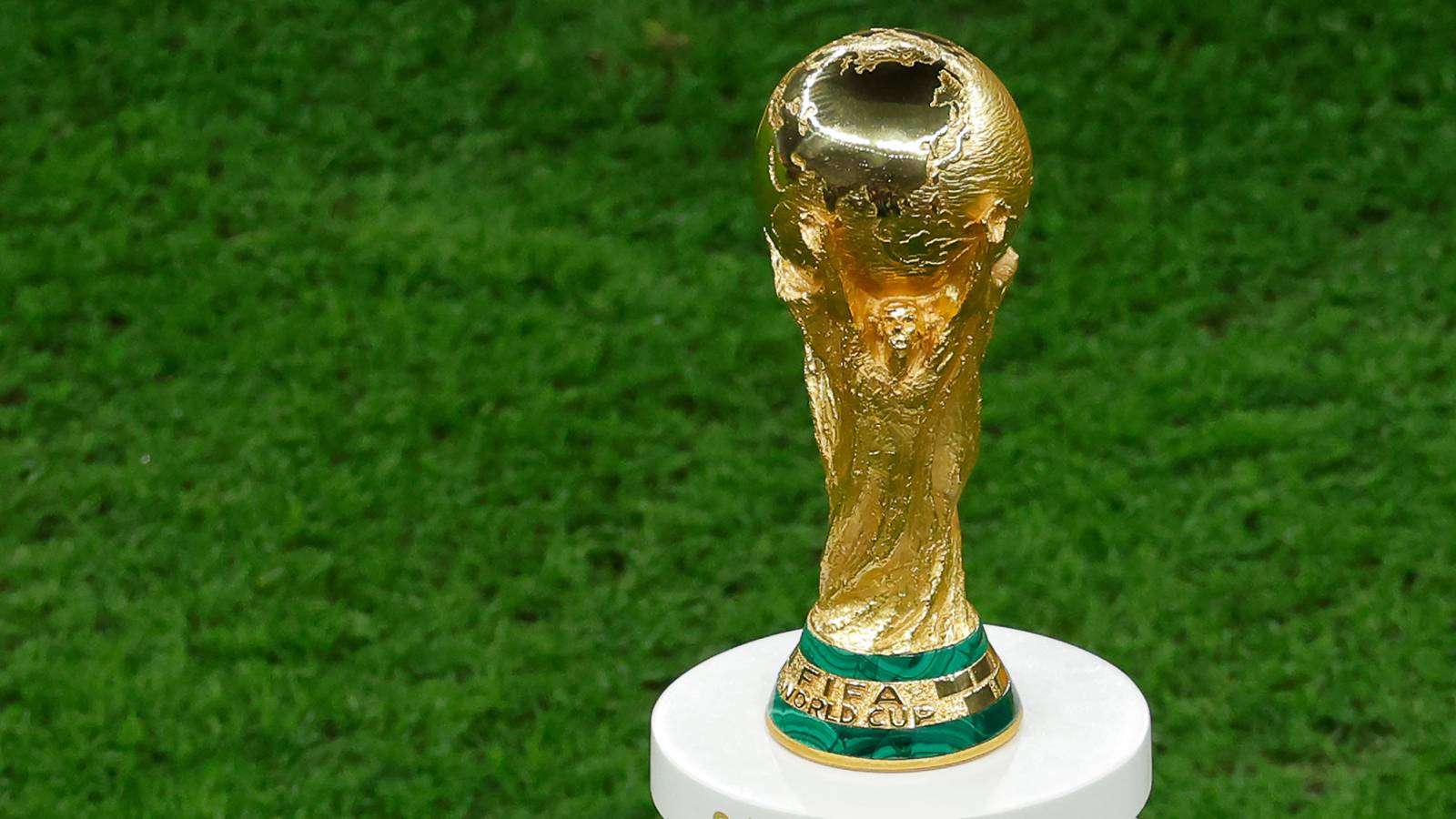
In a bold move, Germany has officially announced its ambition to host the 2038 World Cup, sparking discussions about a potential joint bid with France. The prospect of hosting the prestigious tournament has been enthusiastically backed by key figures in German football, with plans even extending to the possibility of hosting the event as early as 2038.
Axel Hellmann, a prominent board member of the German Football Association, expressed the country’s strong desire to stage the men’s World Cup in either 2038 or 2042. In an interview with “Foot Mercato”, Hellmann revealed, “There is an initiative from Bernd Neuendorf, the association’s president, and the German Football Association to submit a bid to host the 2042 edition, and perhaps even 2038. That will depend on FIFA’s regulations.”
However, FIFA’s current rotation policy poses a significant challenge to Germany’s aspirations. The upcoming World Cup editions are already allocated to Morocco, Spain, Portugal, Argentina, Uruguay, Paraguay, and Saudi Arabia. This leaves North America or Oceania as the likely candidates for the 2038 tournament, with the United States emerging as a strong contender.
With Australia being part of the Asian Football Confederation, the United States appears to be the frontrunner for the 2038 World Cup bid. Nevertheless, Germany is hopeful that FIFA will reconsider its regulations, potentially paving the way for a European bid, possibly in collaboration with France.
The prospect of a World Cup on German soil has generated excitement among football fans worldwide. The rich footballing history and passionate fan base in Germany make it an attractive host for the prestigious event. Should the country secure the bid for either 2038 or 2042, it would mark a significant milestone in German footballing history.
While the road to hosting the World Cup may have its challenges, Germany remains determined to pursue its goal. The potential joint bid with France adds an intriguing dynamic to the bidding process, with both nations boasting a strong footballing tradition and infrastructure.
As the discussions around the 2038 and 2042 World Cup bids continue to evolve, all eyes are on FIFA to see whether they will grant Germany the opportunity to host the tournament. With the football world eagerly awaiting a decision, the coming years promise to be filled with anticipation and excitement as the bidding process unfolds. Only time will tell if Germany’s dream of hosting the World Cup will become a reality.
Germany’s Footballing Legacy and World Cup Hosting History
Germany’s passion for football runs deep, with a rich history in the sport that dates back to the late 19th century. The country has produced some of the world’s most talented players, iconic teams, and successful clubs. With a total of four World Cup titles to their name (1954, 1974, 1990, 2014), Germany has established itself as a powerhouse in international football.
Hosting the World Cup would not be a new experience for Germany, as the country successfully organized the tournament in 1974 and 2006. The 1974 World Cup, held in West Germany, saw the national team lift the trophy on home soil, further solidifying the nation’s connection to the prestigious event. Germany’s efficient infrastructure, top-class stadiums, and football-mad population make it a prime candidate for hosting major tournaments.
The Impact of Hosting the World Cup
Beyond the thrill of hosting the World Cup itself, the event can have a lasting impact on the host nation. Economic benefits from increased tourism, infrastructure development, and job creation are often seen in countries that host major sporting events like the World Cup. Additionally, hosting the tournament can help boost the profile of the host nation on the global stage, showcasing its culture, hospitality, and organizational capabilities.
For Germany, hosting the World Cup would not only be a source of national pride but also an opportunity to showcase its footballing heritage and modern infrastructure. The event could attract fans from around the world, creating a vibrant atmosphere and leaving a lasting impression on visitors.
The Role of Technology and Innovation in World Cup Hosting
In recent years, technology and innovation have played an increasingly important role in the organization and execution of major sporting events. From advanced stadium technologies to fan engagement apps, host nations are leveraging cutting-edge solutions to enhance the spectator experience and streamline operations.
If Germany were to host the 2038 or 2042 World Cup, we can expect to see a strong emphasis on technology and innovation throughout the event. The country’s reputation for efficiency and technological expertise could result in a World Cup experience that is not only memorable for fans but also sets new standards for future host nations.
The Future of Football Predictions and Analysis
As discussions around World Cup hosting bids continue, the world of football predictions and analysis is also evolving. With advancements in data analytics, artificial intelligence, and machine learning, football fans now have access to sophisticated tools for predicting match outcomes, player performances, and tournament results.
The rise of online platforms and mobile apps dedicated to football prediction has transformed how fans engage with the sport, allowing them to make informed decisions based on data-driven insights. As the excitement builds for the 2038 and 2042 World Cup bids, football prediction enthusiasts will be closely following the developments and using predictive tools to anticipate the outcomes of the tournaments.
In conclusion, Germany’s ambition to host the 2038 or 2042 World Cup represents a significant milestone in the country’s footballing history. With a rich legacy in the sport, strong infrastructure, and a passionate fan base, Germany has the potential to deliver a world-class event if granted the opportunity to host the tournament. As the bidding process unfolds and FIFA deliberates on potential hosts, football fans around the globe eagerly await the decision that could shape the future of the beautiful game.