
Gary Neville Considers Stepping Back From Manchester City Coverage
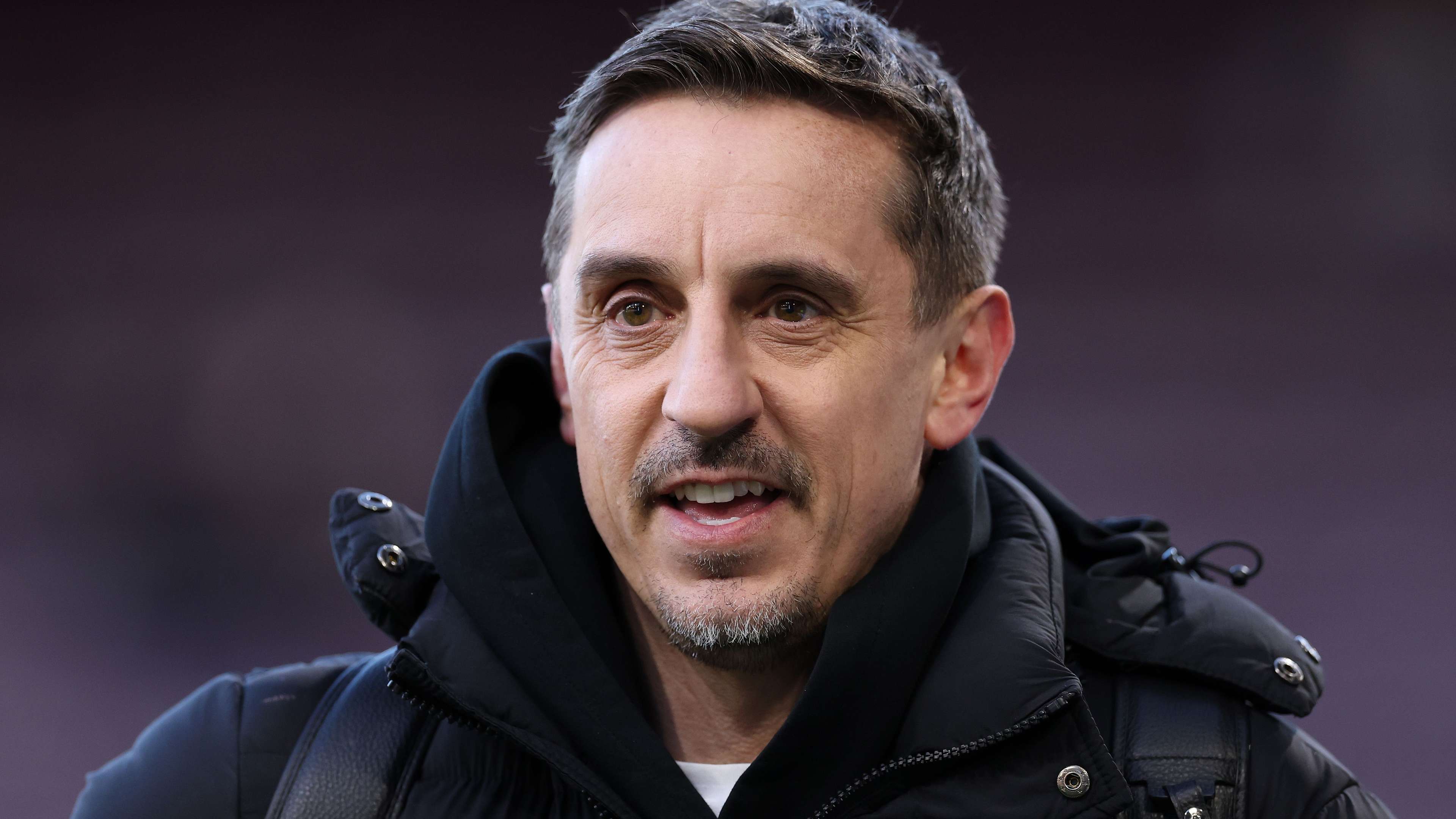
Gary Neville has said he would prefer to stop covering Manchester City matches for the foreseeable future, pointing to the uncertainty surrounding the club’s ongoing legal dispute with the Premier League. The former Manchester United captain and Sky Sports pundit believes the case has cast such a long shadow over the competition that it has become harder to discuss City’s performances without the wider controversy shaping the conversation.
Neville’s comments highlight a growing challenge for football broadcasters: how to assess what happens on the pitch while a major regulatory case remains unresolved. Manchester City continue to attract attention for their results, tactical quality and individual talent, but the allegations and legal proceedings have ensured that almost every discussion about the club carries an additional layer of scrutiny.
Why Neville Wants Distance From City Matches
Neville has not suggested that City’s football should be ignored, nor has he dismissed the quality of the team’s performances. Rather, his concern is that the unresolved case makes it difficult to offer praise without immediately returning to the questions surrounding the club’s finances and compliance with league rules.
For a pundit, match coverage is expected to focus on the action: the tactics, the decisive moments, the players who influenced the result and the decisions made by the manager. Yet when a club is at the centre of a high-profile legal dispute, those subjects can quickly become intertwined with off-field issues. A strong performance may prompt analysis of City’s squad and coaching, while viewers may also expect broadcasters to address the accusations and their possible consequences.
Neville’s position reflects the difficulty of balancing those responsibilities. He has built a reputation for direct, detailed football analysis, but the ongoing case creates a context in which even straightforward commentary can be interpreted through a wider debate about fairness and accountability.
The Premier League Case and the Need for Due Process
Manchester City face a major Premier League case involving alleged financial breaches. The club has strongly denied wrongdoing, and the claims remain subject to the relevant legal and regulatory process. Any discussion of the matter must therefore distinguish between allegations, the proceedings themselves and any final findings reached through the established process.
The scale of the dispute has made it one of the most closely watched stories in English football. Its eventual outcome could have significant implications for City, the Premier League and the way financial rules are monitored and enforced. However, until the process concludes and any decisions are made public, uncertainty is likely to remain a central feature of the story.
That uncertainty is part of what Neville appears to find difficult. A definitive resolution would give pundits and supporters a clearer basis on which to discuss the case. In the meantime, broadcasters must avoid treating disputed claims as settled facts while still recognising that the issue is important to the league and its audience.
Can Football Analysis Stay Separate From Off-Field Controversy?
In theory, a football match can be analysed independently of a club’s legal situation. A commentator can explain how a team presses, how a midfielder controls possession or why a particular substitution changed the game. In practice, however, the public conversation around a major club is rarely limited to what happens during the 90 minutes.
Manchester City’s sustained success has made them a regular subject of debate. Their style of play, recruitment, spending, managerial decisions and domestic dominance are all examined closely. The legal case adds another dimension, increasing the pressure on broadcasters to provide context whenever the club is discussed.
This creates a difficult editorial balance. If coverage concentrates only on the match, some viewers may feel that the broader story is being overlooked. If every discussion returns to the case, the football itself can become secondary. Neville’s comments suggest that the burden of navigating that balance has become significant enough for him to consider stepping away from City fixtures.
What Neville’s Comments Mean for Sky Sports Coverage
Neville’s remarks do not necessarily mean that Manchester City matches will disappear from Sky Sports coverage. They concern his own willingness to take part in that specific work, rather than a change to the broadcaster’s overall football schedule. Sky Sports and other networks can use different presenters and analysts, while continuing to cover both the sporting action and major developments in the case.
His comments may also prompt further discussion about the role of pundits. Analysts are not legal experts, but they are expected to help viewers understand why an off-field issue matters to the competition. That can involve explaining the distinction between a charge and a ruling, outlining the importance of the league’s regulations, and making clear when information remains unconfirmed.
For audiences, careful language is essential. The case should not be used to dismiss City’s players or their achievements, just as impressive football should not be treated as a substitute for resolving questions about compliance. Both issues can be discussed fairly, provided the facts are presented accurately and the legal process is respected.
Football Prediction and the Uncertainty Around City’s Future
The unresolved proceedings also complicate any football prediction about Manchester City’s longer-term prospects. On the pitch, the club remain a formidable opponent, with the resources, coaching and depth to challenge for major honours. Yet predictions about their future must be framed cautiously because the eventual outcome of the case could influence the club’s plans, reputation or competitive position.
For now, supporters and analysts can judge City’s performances on their sporting merits while recognising that the wider situation remains unsettled. The team’s results, tactical approach and player development will continue to shape the football conversation, but the legal case is unlikely to fade from view until it reaches a conclusion.
A Debate That Will Continue Until the Case Is Resolved
Neville’s decision to express discomfort with covering City matches captures the strain that prolonged uncertainty can place on football commentary. His concern is not simply about whether City play well; it is about how to discuss those performances honestly when the club is also at the centre of a major dispute with the league.
Until the proceedings are resolved, broadcasters, supporters and pundits will have to manage two conversations at once: one about the quality of Manchester City’s football and another about the principles and rules governing the Premier League. Neville’s comments underline that separating those subjects may be possible in individual moments, but increasingly difficult across an entire season.