
Barcelona’s Defensive Errors Put Joan García and João Cancelo Under the Spotlight
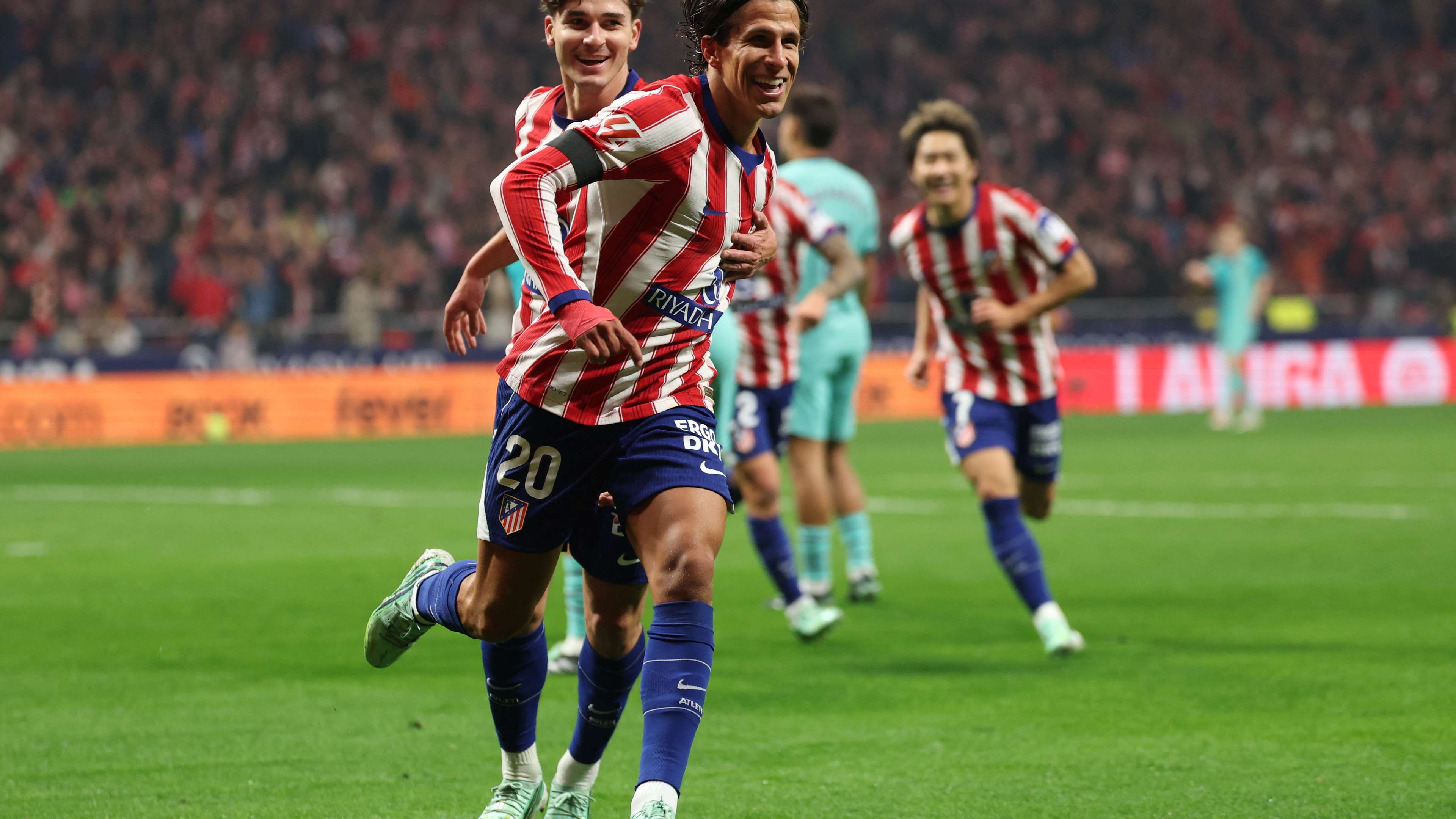
Barcelona’s visit to Atlético Madrid began with an immediate warning—and, by the ninth minute, a costly consequence. A poorly coordinated defensive sequence allowed Giuliano Simeone to put Atlético ahead at the Metropolitano, leaving goalkeeper Joan García visibly frustrated with teammate João Cancelo. The early goal set the tone for a demanding Spanish league encounter and raised fresh questions about Barcelona’s defensive organisation under Hansi Flick.
Atlético applied pressure from the opening whistle, attacking with speed and looking to exploit space before Barcelona could settle into their shape. The hosts’ aggressive start created several dangerous moments in the first few minutes, while Barça struggled to manage the movement and intensity of Atlético’s forwards. For supporters assessing the match’s football prediction and likely turning points, the early exchanges offered a clear clue: Atlético had identified opportunities to test Barcelona’s back line.
Atlético’s Fast Start Creates Early Chances
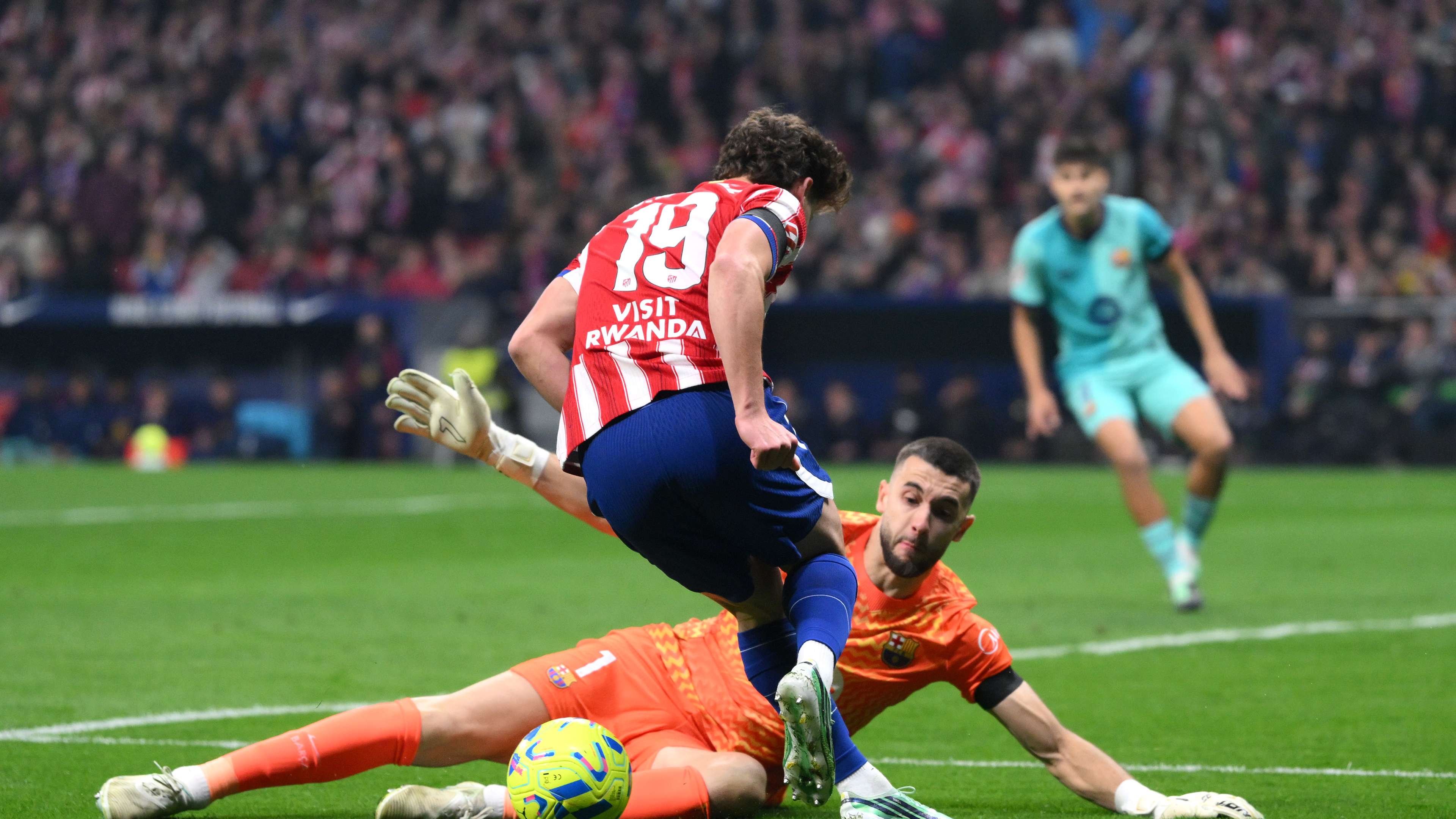
Julián Álvarez came close to scoring in the fifth minute after finding himself one-on-one with García. The Barcelona goalkeeper reacted sharply, making an important save to keep the score level. It was a significant intervention, but Atlético continued to press rather than allowing the visitors time to regain control.
Marc Pubill soon threatened from a cross, rising to meet the delivery with a header that struck the crossbar. Barcelona also showed signs of attacking danger during the frantic opening spell. Pedri found room to attempt a shot, only for his effort to hit the post. Those near misses made for an unusually eventful start, with both teams coming close before Atlético finally made its pressure count.
Giuliano Simeone Punishes Barcelona’s Confusion
The decisive moment arrived in the ninth minute. Álvarez drove a low cross into the penalty area from the right, where Giuliano Simeone met the ball with a direct finish. Barcelona’s defensive line appeared unsettled as the move developed, and the lack of clear coordination gave Simeone the opening he needed to score.
The goal was more than an early setback on the scoreboard. It highlighted the difficulty Barcelona faced in tracking Atlético’s runners and responding to the pace of the attack. When a team presses with Atlético’s intensity, even a brief hesitation can create a clear shooting opportunity. In this case, the visitors were unable to close down the danger before Simeone reached the delivery.
Joan García’s Reaction Draws Attention to Cancelo
Television cameras captured García’s apparent anger toward Cancelo during the opening exchanges. The goalkeeper’s expressions and gestures suggested frustration with the Portuguese defender’s positioning and defensive contribution. Although isolated reactions do not explain every detail of a tactical problem, the moment reflected the pressure building inside Barcelona’s defence as Atlético repeatedly pushed forward.
The scrutiny continued in Spanish media coverage. Cadena SER commentator Luis Flaquer described Cancelo’s display as “very poor” and said the defender continued making mistakes after Atlético had taken the lead. Former Barcelona player José Mari Bakero offered an even harsher assessment, calling it the team’s worst first half of the season. He argued that Barcelona looked disjointed and that the defensive structure was being exposed by the home side’s attacking pressure.
Those comments underline a broader issue: defensive performance is rarely the responsibility of one player alone. A back line must move together, communicate effectively and receive protection from midfield. If those connections break down, individual errors become more visible—and opponents can target the gaps. Cancelo’s role therefore became a focal point, but Barcelona’s overall organisation was also under examination.
Flick’s Selection Decisions Add Context
Flick selected a defensive group featuring Bryan Farinas, Pau Cubarsí, Gerard Martín and Cancelo. Andreas Christensen and Eric García had received medical clearance, but the coach reportedly considered them short of full physical readiness and did not include them in the starting line-up. Instead, he chose the same defensive unit that had played against Aston Villa in the Champions League, when Barcelona recorded a 3–0 win at Camp Nou.
That previous result offered a reason to retain the combination, but the Atlético fixture presented a different kind of test. A settled defence can benefit from continuity, yet selection decisions also have to account for the opposition’s style and the physical condition of available players. Atlético’s direct running and quick movement put immediate pressure on Barcelona’s defenders, leaving little time to adjust once the match began.
Flick’s decision not to start Christensen or Eric García should not, by itself, be treated as proof that the selection was wrong. Medical clearance does not necessarily mean a player is ready to complete a full match at the required intensity. Even so, the early defensive problems will inevitably prompt discussion about whether Barcelona had the right balance of fitness, experience and pace for this particular opponent.
What the Opening Goal Could Mean for Barcelona
An early concession can change the tactical shape of a high-profile match. Barcelona were forced to respond while Atlético gained confidence from its pressing and quick transitions. The visitors needed to improve their communication, protect the space around the penalty area and avoid allowing runners to arrive unmarked. At the same time, they had to find a way to use the ball effectively rather than letting Atlético dictate the rhythm.
For Atlético, the goal rewarded an assertive start and demonstrated the value of attacking the channels quickly. Álvarez’s delivery and Simeone’s finish were the most visible parts of the move, but the pressure that came before it helped create the defensive uncertainty. Atlético’s early chances also showed that the opening goal was not an isolated incident: García had already been required to make a major save, and Pubill had struck the crossbar.
Barcelona’s next challenge is to turn the criticism into a practical response. Better communication between goalkeeper and defenders, more disciplined positioning and stronger support from midfield could help reduce the spaces Atlético exploited. The match also offers a reminder that a previous clean-sheet victory cannot guarantee defensive stability against a different opponent with a different attacking plan.
As the Spanish league campaign continues, Barcelona’s defensive choices will remain an important talking point for fans and analysts. The early goal at the Metropolitano placed Cancelo under particular scrutiny, but the larger question concerns the unit as a whole: whether Flick can restore cohesion quickly enough to prevent similar problems in upcoming fixtures. In a season where every major result can shape the title race, defensive organisation may prove just as important as Barcelona’s attacking talent.