
Egyptian Football Legend Criticizes National Team Management and Calls for Change
In a candid and fiery interview, Gamal Abdel Hamid, one of Egypt’s most celebrated football icons and former star of both Zamalek and the Egyptian national team, has voiced sharp criticisms against the current management and coaching staff of Egypt’s national football team. His outspoken remarks have sparked widespread discussion among football fans, pundits, and analysts, highlighting ongoing concerns about the direction of Egyptian football and the future of its beloved national squad.
Unveiling the Critique: Mohamed Salah’s Status and Leadership
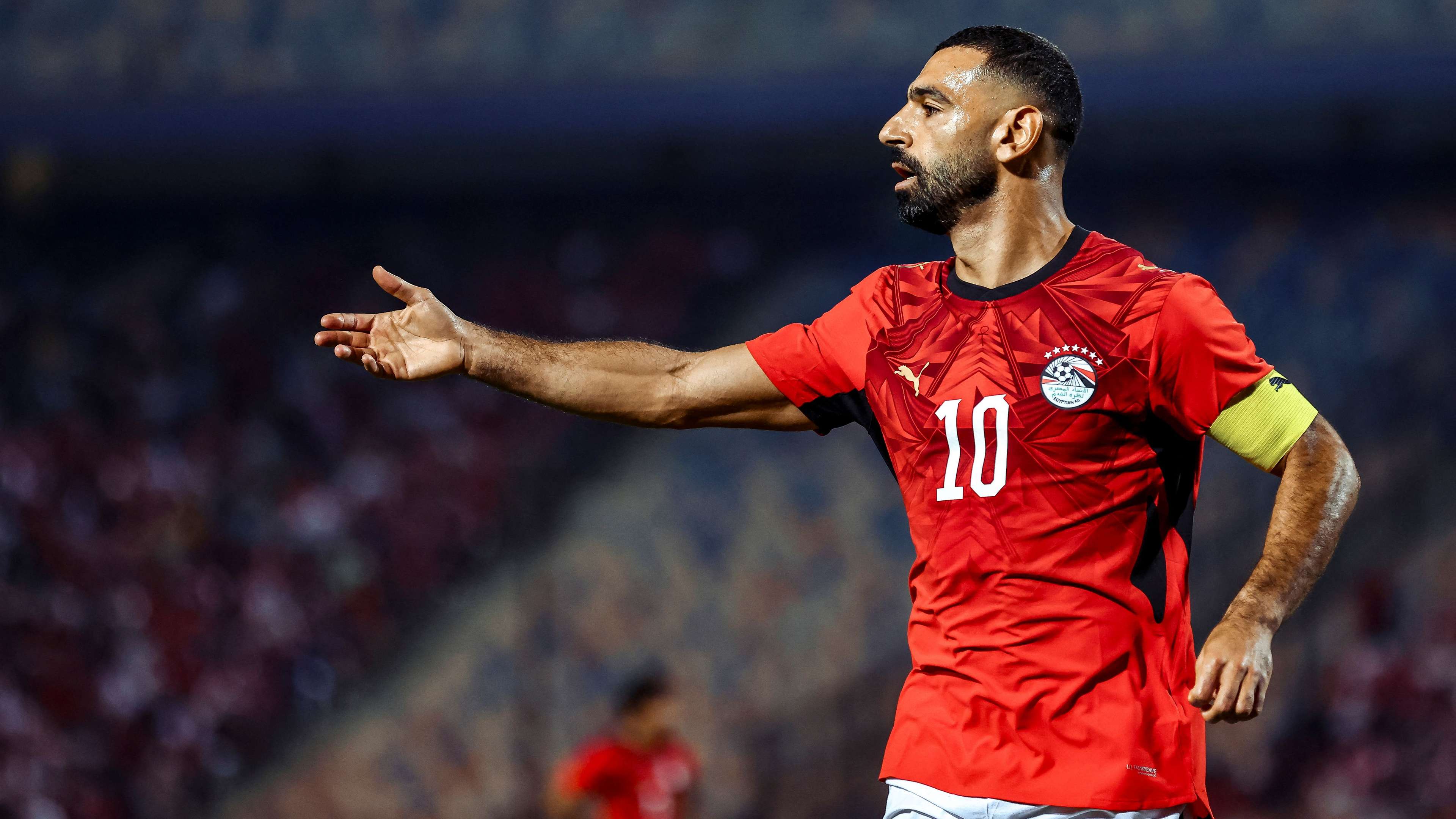
Abdel Hamid did not hold back when addressing the treatment of the national team’s captain, Mohamed Salah, widely regarded as one of the most prominent football figures globally. He emphasized that Salah’s stature transcends national boundaries, making him an icon whose influence extends far beyond Egypt’s borders.
“Mohamed Salah is a global icon and deserves special treatment,” Abdel Hamid asserted during his appearance on the popular sports program “El Defender” broadcast on Al-Shams channel. “It is unacceptable to suggest that Salah was left out of certain decisions or lineups for purely technical reasons.” His comments reflect a broader frustration among supporters and former players who believe that Salah’s unique status warrants recognition and respect in team management decisions.
The former star also criticized statements from some officials that seemingly diminished Salah’s importance. Specifically, Abdel Hamid pointed out a controversial remark made by Hossam Hassan, the current head coach of Egypt’s national team, who reportedly claimed that the team does not depend on any single player, citing Egypt’s population of over 120 million.
Questioning the Approach of Head Coach Hossam Hassan
Abdel Hamid’s critique extends beyond Salah to encompass the overall management style of Hossam Hassan. He argued that Hassan’s approach to handling players and media has been problematic, particularly in the aftermath of Egypt’s recent World Cup campaign.
“Hossam Hassan is fortunate when it comes to football knowledge and technical understanding,” Abdel Hamid admitted. “However, his communication skills and media management are lacking. He should have been more cautious with his statements after the World Cup, especially considering the team’s performance.” Abdel Hamid believes that Hassan missed an opportunity to bolster team morale and showcase leadership by choosing humility over self-promotion in the wake of their World Cup participation.
The Role of Media and Public Relations in Egyptian Football
Abdel Hamid also expressed concern about the conduct of press conferences and public statements made by the coaching staff. He suggested that more transparency and professionalism could foster a healthier environment for players and fans alike.
“The way the team’s press conferences are handled needs improvement,” he said. “In particular, I believe Ibrahim Hassan, Hossam’s brother and a respected figure in Egyptian football, should be allowed to represent the team in media interactions instead of Hossam, who seems to struggle with public communication.” His comments underscore the importance of effective media management, especially amid the heightened scrutiny following international competitions.
Lessons from Past Mistakes and the Need for Strategic Development
Abdel Hamid didn’t shy away from pointing out that Hassan’s tenure has been marred by mistakes, some of which, he claims, were fortunate escapes rather than skillful management. He remarked that Ibrahim Hassan, a seasoned football figure known for his tactical acumen, has often been a stabilizing influence behind the scenes.
“Hossam Hassan made numerous mistakes—around 70, according to my observations—and luck played a significant role in some of these instances,” Abdel Hamid stated. “If it weren’t for Ibrahim Hassan’s intervention and guidance, the situation could have been much worse.” This candid critique highlights the importance of experience and strategic planning in national team management.
Looking Ahead: What Should Be Done to Improve Egyptian Football?
As Egyptian football continues to grapple with internal challenges, Abdel Hamid’s outspoken stance calls for a reevaluation of leadership and strategic priorities. He advocates for a more professional, player-centric approach that recognizes the global stature of iconic players like Mohamed Salah. Additionally, he emphasizes the importance of fostering a cohesive management team that combines technical expertise with effective communication skills.
He also expressed hope that the Egyptian Football Association would consider involving more experienced figures like Ibrahim Hassan in media and public relations roles to restore confidence among fans and stakeholders. The goal, he suggests, should be to create an environment where talent and strategic management go hand in hand, ultimately leading to better performances on the international stage.
The Bigger Picture: The Future of Egypt’s National Football Team
Egyptian football has a storied history, with the national team having enjoyed periods of dominance, especially during the early 2000s when they secured multiple Africa Cup of Nations titles. However, recent years have seen a decline in international success, partly attributed to management issues, coaching instability, and internal conflicts.
Experts believe that for Egypt to regain its former glory, reforms are necessary at multiple levels—ranging from youth development and tactical innovation to better management and communication strategies. Abdel Hamid’s comments serve as a wake-up call that leadership must evolve to meet modern challenges and uphold the nation’s footballing legacy.
Conclusion: A Call for Change and Reflection
Gamal Abdel Hamid’s outspoken critique reflects a deep concern for the future of Egyptian football. His emphasis on respecting key players, improving management practices, and fostering transparency resonates with countless fans eager for positive change. As Egypt continues to aspire for greater success on the international stage, the insights from seasoned former players like Abdel Hamid could be instrumental in guiding reforms.
Ultimately, the path forward requires unity, strategic vision, and a commitment to nurturing Egypt’s footballing talent. With the right leadership and a renewed focus on professionalism, the Egyptian national team can once again become a formidable force in Africa and beyond.