
Unraveling the Viral Conspiracy: Is the Real Madrid Star Vinicius Junior a Fake? A Deep Dive into the Controversy and Its Impact on Football Prediction Markets
In the world of football, where passion runs high and fans scrutinize every detail, a bizarre and startling conspiracy theory has taken social media by storm. The focus of this digital frenzy is none other than Vinicius Junior, the talented Brazilian winger renowned for his electrifying speed and flair on the pitch. Recently, rumors have emerged suggesting that the player currently seen in a Real Madrid shirt isn’t the real Vinicius but a lookalike, sparking a wave of speculation, disbelief, and intrigue across online forums, TikTok, and football prediction communities worldwide.
The Origins of the “Fake Vinicius” Theory
Initial Sparks in Brazilian Digital Spaces
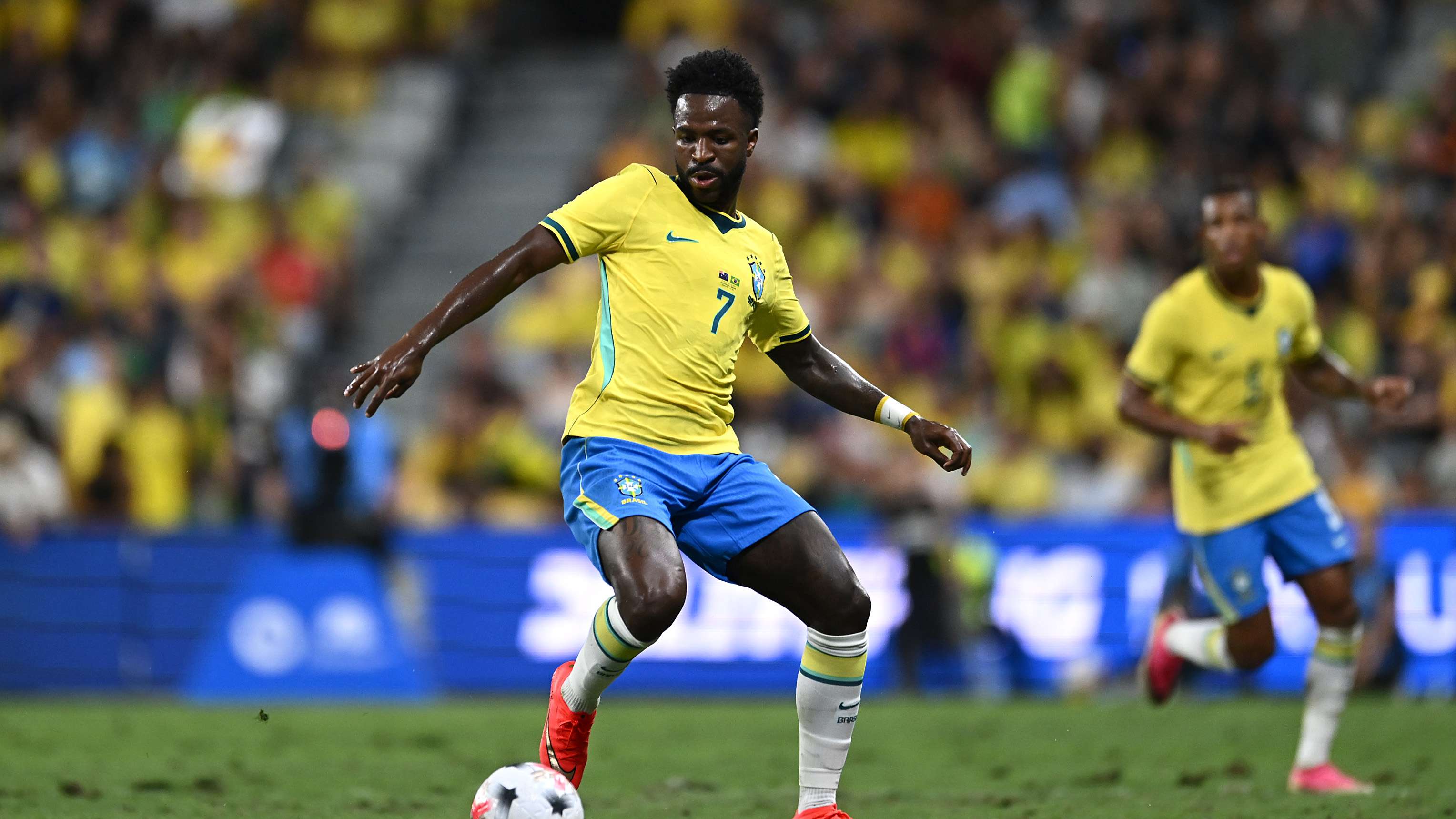
The controversy ignited in September 2026, when vigilant football fans and social media users in Brazil began noticing subtle physical discrepancies in Vinicius Junior’s appearance. The initial whispers centered around a particular tattoo on his thigh—an identifying feature that fans closely follow. When comparing recent images of Vinicius from the Brazil national team during the Australia match to his club photos from Real Madrid, sharp-eyed supporters pointed out that the tattoo appeared different or altered.
Linked with cosmetic changes to his face, these observations fueled suspicions that the player who appeared in the national team jersey might be an imposter or a clone. For many, the authenticity of the player was compromised, leading to fervent debates on platforms like TikTok and football forums, where fans love to analyze every detail and share theories about their favorite stars.
Expanding the Narrative: From Tattoos to Global Conspiracies
The initial physical comparisons soon morphed into more elaborate and outlandish theories. A prominent Twitter account, @BlackBondPtv, posted a provocative claim that the CIA, the Rothschild family, and global elites orchestrated the replacement of Vinicius after the 2026 FIFA World Cup. According to this theory, the real Vinicius was eliminated, and a lookalike was substituted to serve covert political or commercial agendas.
Some proponents of this conspiracy speculated that the mysterious substitution was linked to clandestine efforts by powerful entities to manipulate public perception and football narratives, especially as the sport’s global influence continues to grow. These theories, while lacking credible evidence, have gained traction among certain groups, highlighting the deep-rooted mistrust in mainstream narratives and institutions.
Beyond the Tattoos: Theories of Alien Abduction and Extraterrestrial Involvement
The Outlandish Claims: Alien Invasions and Abductions
Perhaps the most surreal aspect of this conspiracy is the claim that Vinicius, along with other football stars like Neymar, was abducted by aliens during the 2026 World Cup. According to Spanish sports outlet Marca, some conspiracy enthusiasts believe that the player’s physical transformation is part of an extraterrestrial invasion narrative.
A viral video featuring a woman named Fo Bahiana added fuel to the fire. In her clip, she claims to have dreamed of alien ships invading Miami stadiums during the World Cup, witnessing the abduction of players and fans alike. She describes scenes of chaos, screams, and suffering, suggesting that these alleged alien encounters are intertwined with covert operations involving football stars.
The Cultural Impact of Such Outlandish Theories
While these claims may seem entirely implausible, they reflect a broader cultural phenomenon where sports figures are mythologized into larger-than-life characters, sometimes bordering on science fiction. Theories of alien invasions and secret government operations have gained popularity in online communities, especially when fueled by mysterious physical changes or unusual behavior of public figures.
Official Response and the Reality Check
Reactions from Real Madrid and Vinicius Junior
Despite the viral spread of these conspiracy theories, the official stance from Real Madrid, Vinicius Junior, and the Brazilian national team has been one of outright dismissal. Club officials and the player himself have dismissed these rumors as baseless, digital noise, and an example of the dangers of misinformation in the age of social media.
Vinicius, known for his resilience and focus on football, has yet to publicly address these wild claims, emphasizing his dedication to the sport and his team. Meanwhile, Real Madrid has reiterated their support for their player, stating that all physical and medical assessments confirm his identity and health status.
Impact on Football Prediction and Fan Engagement
How Misinformation Shapes Football Prediction Markets
The rise of conspiracy theories surrounding Vinicius Junior illustrates a broader challenge for football prediction markets and betting communities. As fans and bettors follow the latest news, rumors, and social media chatter, the line between credible information and misinformation can blur, influencing betting behaviors and prediction models.
In particular, uncertainty over a player’s form, physical condition, or psychological state can significantly impact predictions for upcoming matches. For instance, if a widely circulated rumor suggests a player is unwell or has undergone a mysterious transformation, bettors might adjust their predictions accordingly, even if such claims are unfounded.
Recognizing the importance of verified information is crucial for accurate football prediction. Experts advise bettors to rely on official club statements, medical reports, and credible news outlets rather than sensational social media posts or conspiracy theories that often lack evidence and can mislead the betting public.
The Broader Implications: Media, Misinformation, and Fan Psychology
The Power of Social Media in Shaping Football Narratives
The Vinicius conspiracy saga underscores the profound influence of social media in shaping perceptions of football stars and the sport itself. While platforms like TikTok, Twitter, and Facebook facilitate fan engagement, they also serve as breeding grounds for misinformation, rumors, and sensationalist content.
This phenomenon raises important questions about media literacy among fans and the responsibility of content creators to verify facts before sharing. It also highlights the need for football clubs and governing bodies to proactively address misinformation to protect players’ reputations and maintain the integrity of the sport.
The Psychological Impact on Players and Fans
Beyond the factual inaccuracies, such conspiracy theories can have real psychological effects on players like Vinicius Junior. Constant scrutiny, rumors, and online harassment can affect mental health and performance on the field. For fans, the allure of sensational stories can lead to increased polarization and distrust in official sources.
Conclusion: Navigating the Complex Landscape of Football Misinformation
The case of Vinicius Junior and the fake “identity” conspiracy serves as a stark reminder of the challenges posed by misinformation in modern football. While the theories are far-fetched and lack credible evidence, their widespread circulation reflects deeper societal trends—distrust in institutions, the power of social media, and the desire for sensational stories.
For football prediction enthusiasts, staying informed through verified sources is essential to making accurate forecasts and avoiding the influence of unfounded rumors. As the sport continues to evolve in the digital age, fostering media literacy and promoting responsible sharing will be key to preserving the integrity of football and its global community.
Final Thoughts: The Future of Football and Misinformation
In the end, while the conspiracy theories surrounding Vinicius Junior may be dismissed by all credible sources, they highlight the importance of critical thinking and fact-checking in the digital era. Football fans and bettors alike must remain vigilant, ensuring that their predictions and perceptions are based on truth, not fiction. As the sport adapts to an increasingly interconnected world, fostering transparency and trust will be essential to maintaining the beautiful game’s credibility and excitement.