
Controversy Surrounding Lionel Messi’s Departure from Barcelona
Five years ago, on a Wednesday that will forever be etched in the history of football, Barcelona announced the departure of their star player, Lionel Messi. The news sent shockwaves through the football world, leaving fans and pundits alike in disbelief.
On that fateful day in 2021, Barcelona released a statement outlining the reasons behind Messi’s departure. The three-paragraph statement cited “economic and structural obstacles in accordance with La Liga regulations” as the primary factors preventing the signing of a new contract.
The statement expressed the club’s deep regret that despite the intentions of both parties to reach an agreement, Messi would not be continuing his journey with Barcelona. The club bid farewell to “the greatest player in history” and wished him success in his future endeavors, both personally and professionally.
Uncertainty and Speculation
Despite the passage of five years since Messi’s departure, the reasons behind the split continue to be a topic of debate and speculation. While some sources suggest a rift between Messi and club president Joan Laporta, others maintain that the Argentine forward still holds a deep affection for Barcelona.
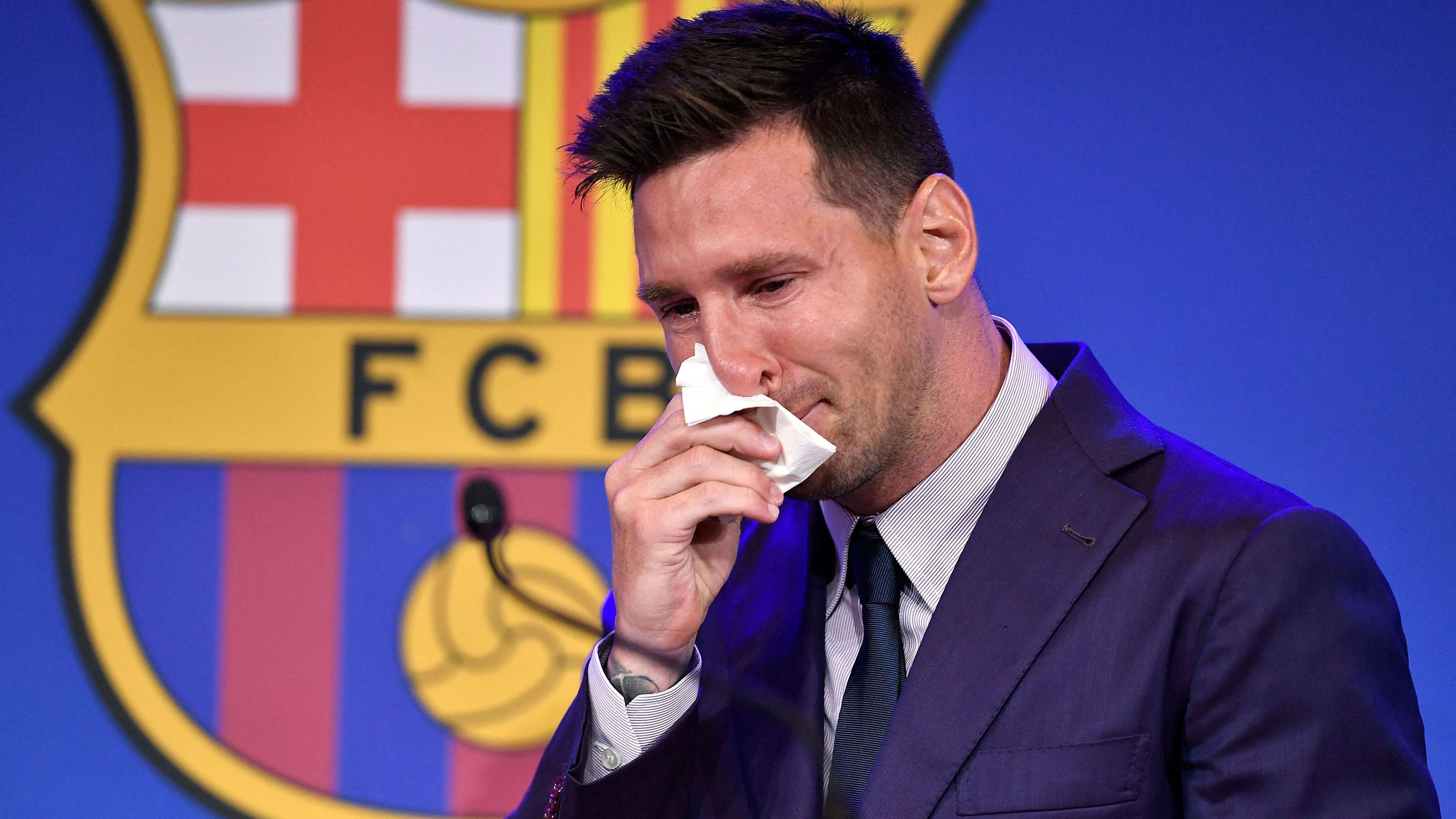
The newspaper “AS” has reported that Messi’s emotional attachment to the club was evident in his actions, such as a nighttime visit to the Camp Nou stadium during renovations and his tearful farewell. However, the attempts at reconciliation between Messi and Barcelona only resulted in promises of a statue and a tribute match.
Legacy and Achievements
Despite the controversy surrounding his departure, Messi’s legacy at Barcelona remains unparalleled. As the record holder for goals and titles at the club, his impact on the team and the sport as a whole is undeniable. While his exit marked the end of an era for Barcelona, the club has continued to achieve success on the field.
Under Laporta’s leadership, Barcelona has clinched three league titles, two domestic Super Cups, and one domestic Cup in the five years since Messi’s departure. Despite the challenges of filling the void left by the departure of their star player, Barcelona has managed to remain competitive and strive for excellence.
In conclusion, the departure of Lionel Messi from Barcelona may have been a controversial and emotional chapter in the club’s history, but it has also paved the way for a new era of growth and success. As fans reflect on the impact of Messi’s departure, they can also look forward to the continued evolution and achievements of Barcelona on the football stage.
The Impact of Messi’s Departure on Barcelona’s Brand
While Lionel Messi’s departure from Barcelona had a significant impact on the team’s performance on the field, it also had repercussions for the club’s brand and commercial endeavors. Messi was not only a football icon but also a global superstar whose presence helped bolster Barcelona’s international reputation and attract sponsors.
With Messi’s departure, Barcelona lost one of the most marketable athletes in the world. The club had to navigate a new era without its star player, which posed challenges in terms of maintaining sponsorship deals and attracting new partners. While Barcelona’s brand is deeply rooted in its history and legacy, Messi’s departure forced the club to redefine its identity and appeal to fans and sponsors alike.
The Evolution of Barcelona’s Playing Style Post-Messi
One of the most significant changes following Lionel Messi’s departure from Barcelona was the evolution of the team’s playing style. Messi’s presence on the field was synonymous with Barcelona’s tiki-taka style of play, characterized by intricate passing, movement, and creativity. Without Messi leading the charge, Barcelona had to adapt its tactics and strategy to compensate for the loss of their talisman.
Under new coaching staff and leadership, Barcelona began to explore different formations and approaches to the game. While the tiki-taka style was still prevalent, the team started to incorporate more direct and dynamic elements into their play. This shift in playing style reflected Barcelona’s commitment to innovation and adaptation in the post-Messi era.
The Rise of New Stars at Barcelona
With Lionel Messi’s departure, Barcelona had an opportunity to nurture and showcase new talent within the team. Young players such as Ansu Fati, Pedri, and Frenkie de Jong emerged as key figures in Barcelona’s new era, demonstrating their skill, potential, and ability to step up in the absence of Messi.
These rising stars brought fresh energy and enthusiasm to the team, injecting a sense of excitement and optimism for the future. While Messi’s departure left a void in the team, it also created space for new players to shine and make their mark on the club’s history. Barcelona’s continued success and competitiveness on the field can be attributed in part to the emergence of these young talents.
Looking Ahead: Barcelona’s Future Without Messi
As Barcelona continues to navigate the post-Messi era, the club faces both challenges and opportunities. While Messi’s departure was undoubtedly a loss for Barcelona, it also opened the door for renewal, reinvention, and growth. The club’s ability to adapt to change, nurture new talent, and uphold its legacy will be crucial in shaping Barcelona’s future success.
Barcelona’s fans, sponsors, and stakeholders will be looking to the club’s leadership to steer them through this transition period and set the stage for a new chapter of achievements and glory. While Messi’s departure marked the end of an era, it also signaled the beginning of a new journey for Barcelona, one that is filled with promise, potential, and the pursuit of greatness.