
Ajax Coach Míchel Sánchez Faces Questions Over Communication After Hajduk Split Defeat
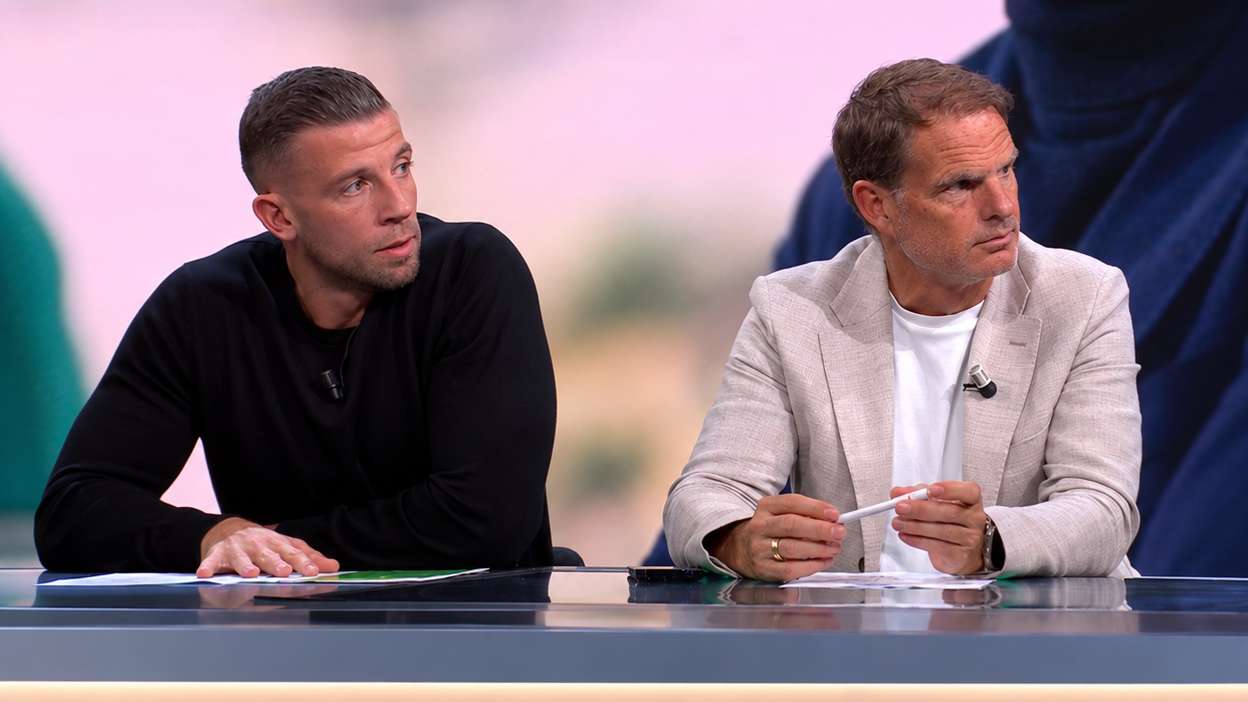
Ajax’s painful 2-1 defeat to Hajduk Split in the Conference League has sparked criticism beyond the team’s performance on the pitch. Dutch football figures Frank de Boer and Toby Alderweireld have raised concerns about head coach Míchel Sánchez’s ability to communicate clearly in English, questioning whether his message is reaching the players as well as the wider audience.
The discussion followed Míchel’s post-match interview with Ziggo Sport on Thursday evening. The Spanish coach, who had been working in Amsterdam for around three and a half months, struggled to express himself fluently as he assessed Ajax’s loss. His hesitant delivery quickly became a talking point in the studio, where pundits considered the importance of clear communication during a difficult period for the club.
Míchel’s post-match explanation
Míchel acknowledged that Ajax had not performed well enough in the first half. He said the team gave the ball away too often while in possession and lacked the energy required to press effectively when out of possession. In his view, the side improved after the break and controlled more of the match, but costly errors ultimately proved decisive.
“In the second half, we dominated the match and deserved more, but we conceded two goals because of two mistakes,” he said. The coach was also asked about Jofre Torrents, who was involved in both goals Ajax conceded. Míchel accepted that the player made an error for the second goal, while maintaining that his overall performance had not been poor.
Although the points he made were straightforward, Míchel often paused to search for words and had difficulty completing his thoughts. That made the interview feel laboured at a moment when Ajax supporters were looking for a clear explanation of what had gone wrong—and what the team would do next.
De Boer and Alderweireld question how the message reaches the squad
Ziggo Sport presenter Sam van Royen noted that the criticism might have attracted less attention had Ajax won. Still, he said the coach’s English and the way he communicated after a defeat made for an uncomfortable television moment. The conversation then moved from the interview itself to a broader question: how does Míchel deliver instructions to his players?
Alderweireld said he was unsure whether the coach speaks to the squad in English or Spanish. English may be more widely understood within an international dressing room, he suggested, but only if the coach can communicate his ideas with sufficient clarity. His concern was not simply about public speaking; it was whether players can quickly understand tactical instructions, corrections and the emotional message that follows a disappointing result.
De Boer offered a blunt reaction, describing the interview as “excruciating” to listen to. Alderweireld added that a coach’s delivery in a dressing room matters just as much as it does in front of cameras. Players need to understand what is expected of them, particularly after a defeat when sharper organisation and renewed confidence may be essential.
Could an interpreter solve the problem?
The panel also considered whether Míchel could speak Spanish and rely on an interpreter. Alderweireld was not convinced that translation would fully address the issue. A second person can help convey the literal meaning of a message, but tone, urgency and emphasis may not always transfer perfectly. In football, where a coach may need to respond quickly and emotionally, that gap could matter.
Van Royen suggested Daley Blind might help bridge the language divide, describing the experienced defender as a possible extension of the coach. Alderweireld said that using Blind—or any other intermediary—would still leave a person between the coach and the squad. He argued that players should be able to hear the manager’s passion and understanding directly, rather than relying on someone else to carry the message.
That does not mean language alone determines whether a coach succeeds. Football teams routinely include players and staff from different countries, and many clubs use interpreters or multilingual assistants. Coaches can also communicate through video, training exercises and clear tactical routines. But in high-pressure moments, direct communication can help build trust and make decisions easier to understand.
Why clear communication matters at Ajax
For Ajax, the debate arrives at a sensitive time. A 2-1 defeat in Europe puts pressure on the team to respond, while the club’s supporters expect both competitive performances and a recognisable style of play. Questions about the coach’s English therefore feed into a wider discussion about leadership, tactical clarity and whether the squad is receiving consistent direction.
The match itself offers a practical example of why those details matter. Míchel identified problems with possession and pressing in the first half, then pointed to defensive mistakes as the reason Ajax conceded. Turning that diagnosis into improvement requires players to understand their roles: when to press, how to support teammates in possession and how to avoid the errors that can decide a close contest.
Ajax’s next fixtures will provide an opportunity to assess the response on the pitch. Results and performances will remain the clearest measures of progress, but the way the team reacts to coaching instructions may also draw attention. If the players appear more organised and decisive, concerns about communication could ease. If similar problems persist, scrutiny of Míchel’s methods is likely to intensify.
Prediction: attention shifts to Ajax’s response
Any football prediction following a difficult European night should be cautious. One defeat does not establish that a coach’s message is failing, and a television interview is only a small window into daily training and dressing-room communication. Ajax still have time to show that the loss was a setback rather than a sign of deeper problems.
Even so, the criticism from De Boer and Alderweireld highlights an important issue for Míchel: a manager must be understood, especially when the team needs to correct mistakes quickly. Whether he improves his English, relies more on support staff or finds another way to communicate, the priority will be making sure his tactical ideas and leadership reach the players clearly. Ajax’s upcoming performances will offer the strongest indication of whether that connection is working.