
French Football Federation Appeals to FIFA Over Michael Olise’s Yellow Card
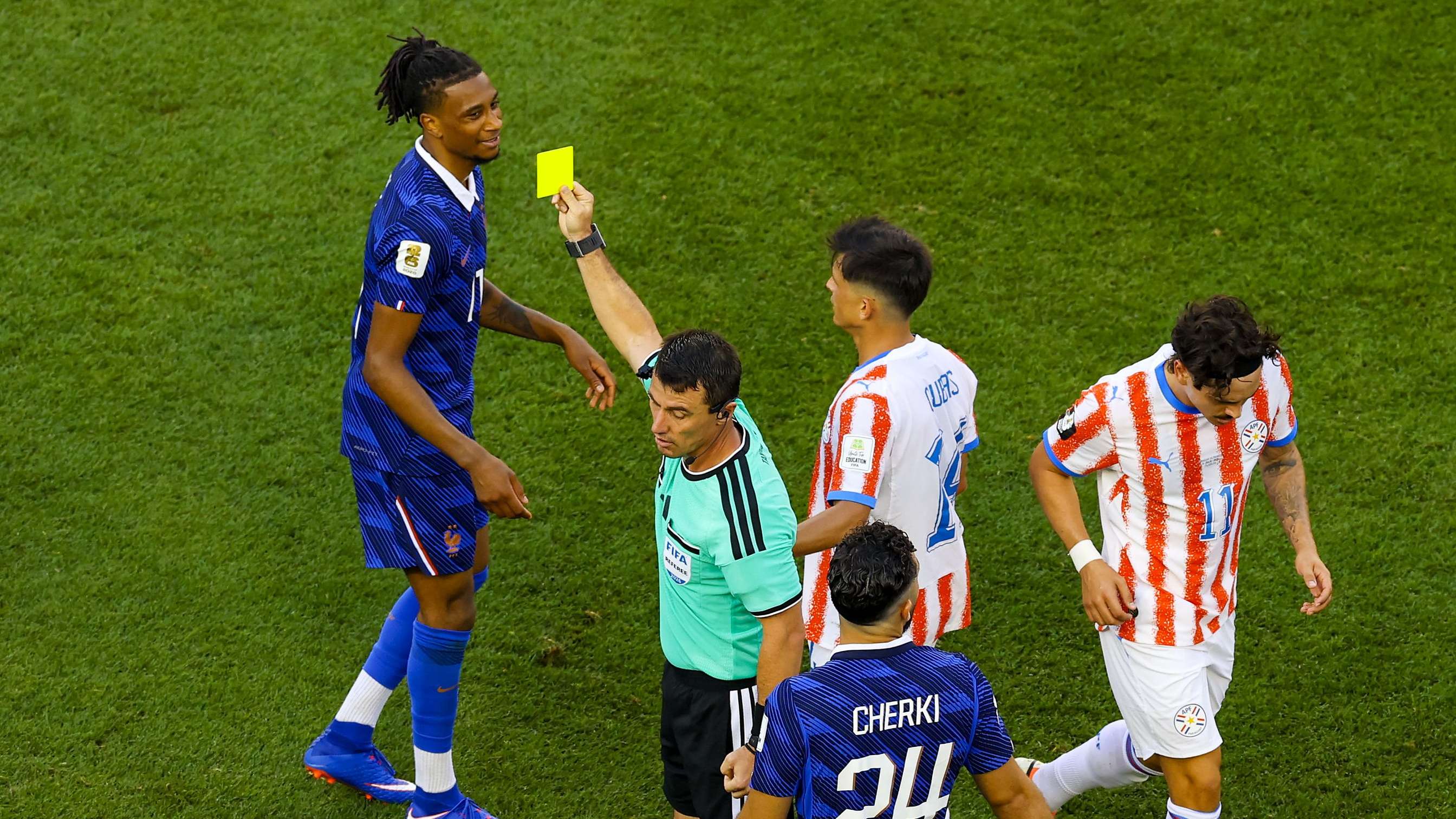
The French Football Federation (FFF) has taken the step of launching an appeal to FIFA in a bid to have Michael Olise’s yellow card rescinded. The young Bayern Munich star received the yellow card during Les Bleus’ last-16 victory over Paraguay, putting him in a precarious position heading into the quarter-finals.
Controversy Surrounding the Yellow Card
The decision to book Olise during the match against Paraguay has sparked debate among fans and pundits alike. Many believe that the yellow card was harsh and undeserved, with some even suggesting that it was a case of mistaken identity. The FFF is now seeking to have the card overturned in order to ensure that Olise is available for the crucial upcoming matches.
Michael Olise’s Importance to the Team
Olise has been a key player for the French national team throughout the tournament, showcasing his skill and creativity on the pitch. His absence due to suspension could have a significant impact on the team’s performance in the quarter-finals and beyond. The FFF is therefore eager to resolve the situation swiftly and ensure that Olise is able to continue contributing to the team’s success.
Appeal to FIFA
The FFF’s appeal to FIFA is based on the belief that the yellow card shown to Olise was unjust and should be overturned. The federation has provided video evidence and testimonies to support their case, highlighting instances where Olise was not involved in the incidents that led to the booking. The FFF is hopeful that FIFA will review the evidence thoroughly and make a fair decision in this matter.
Support from Fans and Players
The news of the FFF’s appeal has been met with widespread support from fans and fellow players. Many have taken to social media to express their solidarity with Olise and their hope for a positive outcome. Teammates and coaches have also voiced their support for the young star, emphasizing his importance to the team and their desire to see him cleared of any wrongdoing.
Looking Ahead
As the FFF awaits FIFA’s decision on the appeal, all eyes are on the upcoming quarter-final match. The French national team will be facing off against a formidable opponent, and having Olise available could make a significant difference in their chances of advancing to the next round. Fans and players alike are hopeful that FIFA will recognize the merit of the FFF’s appeal and allow Olise to continue representing his country on the field.
Overall, the situation surrounding Michael Olise’s yellow card has captivated the football world, with many eagerly awaiting the resolution of the appeal. The FFF’s efforts to have the card rescinded demonstrate their commitment to supporting their players and ensuring a fair and just outcome in all matters related to the game.
Impact of Michael Olise’s Suspension
Michael Olise’s potential suspension due to the controversial yellow card could have far-reaching consequences for the French national team. As a rising star in the world of football, Olise has been a crucial playmaker for Les Bleus, providing creative flair and skill that have been instrumental in the team’s success so far. His absence in the upcoming matches could disrupt the team’s dynamics and strategic gameplay, potentially affecting their performance on the field.
Olise’s versatility and ability to play in different positions have made him a valuable asset for the French national team. His presence on the pitch not only boosts the team’s attacking prowess but also provides defensive stability when needed. Losing such a key player at a crucial stage of the tournament could pose significant challenges for the team as they strive to advance further in the competition.
The Role of Video Technology in Football
The controversy surrounding Michael Olise’s yellow card also highlights the growing role of video technology in football. With advancements in video analysis and instant replays, referees have access to more tools to make accurate decisions during matches. However, the use of video technology is not without its challenges, as seen in cases where subjective decisions like yellow cards come under scrutiny.
While video technology can aid in providing clarity and fairness in decision-making, it also raises questions about the interpretation of incidents on the field. The FFF’s appeal to FIFA in Olise’s case underscores the importance of reviewing video evidence to ensure that players are not penalized unjustly. As football continues to evolve technologically, finding the right balance between human judgment and technological assistance remains a key aspect of the game.
Support for Fair Play and Player Rights
The FFF’s decision to appeal to FIFA on behalf of Michael Olise reflects a broader commitment to fair play and player rights within the football community. By advocating for the reversal of a disputed yellow card, the FFF is not only supporting Olise as an individual player but also upholding the principles of integrity and transparency in the sport.
This show of solidarity from fans, fellow players, and officials demonstrates the importance of standing up for players’ rights and ensuring that they are treated fairly within the rules of the game. The outcome of Olise’s case could set a precedent for how similar situations are handled in the future, emphasizing the need for accountability and justice in football governance.
Anticipation for FIFA’s Decision
As the football world eagerly awaits FIFA’s decision on the appeal, the spotlight remains on Michael Olise and the French national team. The outcome of the appeal could have a significant impact on the team’s performance in the upcoming matches, shaping their journey in the tournament and potentially influencing their chances of success.
Whether FIFA upholds the appeal and rescinds Olise’s yellow card or maintains the original decision, the resolution of this case will undoubtedly spark further discussions and debates within the football community. The handling of such incidents involving player discipline and fair play serves as a reflection of the values and ethics upheld in the sport, showcasing the ongoing efforts to uphold integrity and justice in football.
In conclusion, the controversy surrounding Michael Olise’s yellow card not only sheds light on the complexities of decision-making in football but also underscores the importance of fair play, player rights, and the evolving role of technology in the sport. As the appeal process unfolds, the football world remains engaged in the outcome, anticipating the impact it will have on the tournament and the broader football landscape.