
Fouzi Lekjaa to Remain Moroccan Football Federation President After Government Promotion
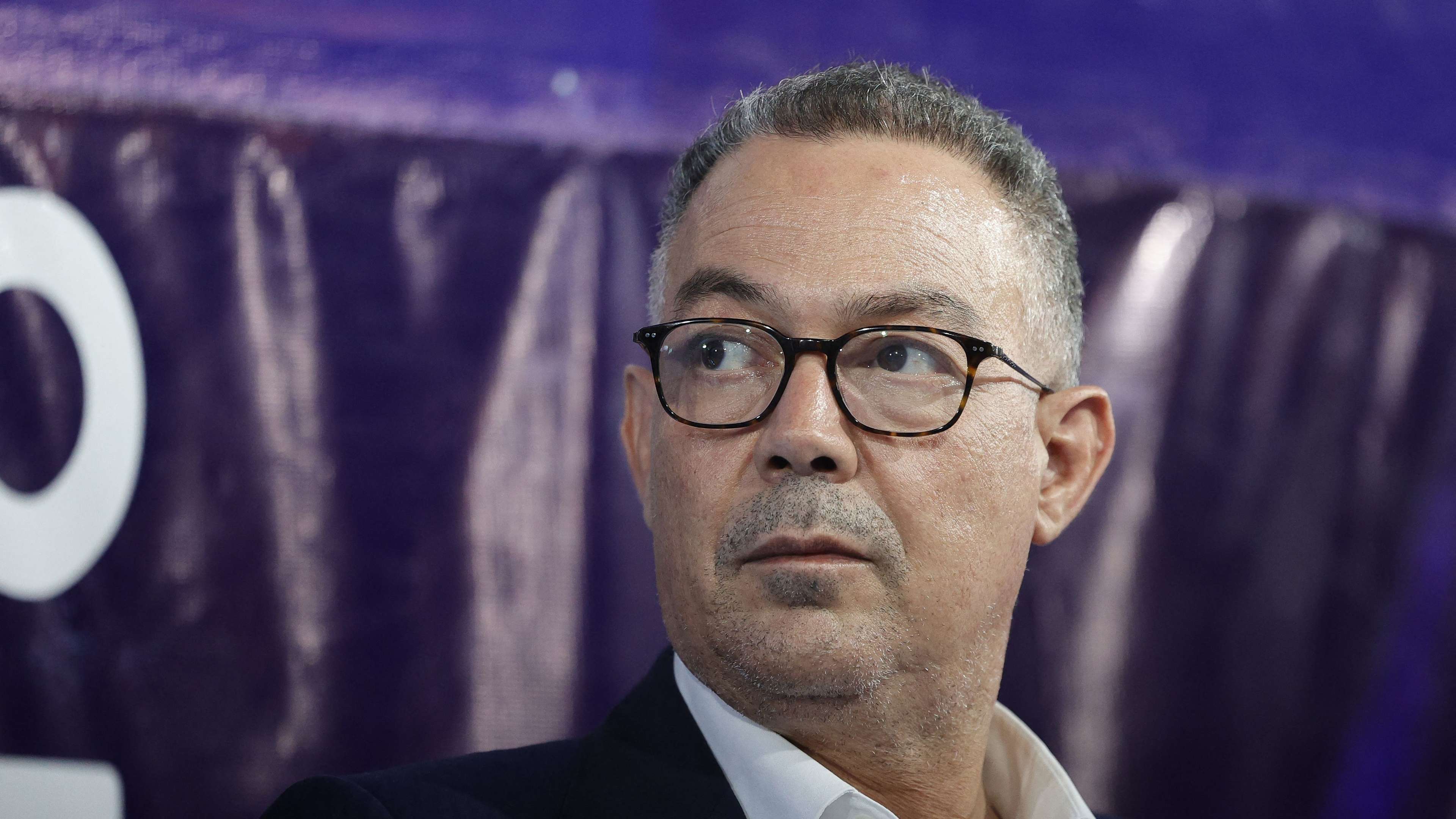
Fouzi Lekjaa will continue leading the Royal Moroccan Football Federation despite taking on a more senior role in the country’s government, according to Moroccan journalist Izem Anass. His appointment as Minister of Economy, Finance and Public Performance is not expected to change his position at the head of Moroccan football.
The decision means Lekjaa will balance national economic responsibilities with a demanding portfolio across the sport. His continued federation presidency comes at a pivotal time, as Morocco prepares to co-host the 2030 FIFA World Cup alongside Spain and Portugal and seeks to build on the growing profile of its national teams and clubs.
From Budget Minister to Senior Government Post
Lekjaa’s promotion was announced on Friday as part of a new government line-up. Since 2021, he had served as Minister Delegate in charge of the Budget. His new portfolio broadens his responsibilities, placing him at the centre of economic and financial policy as well as public performance.
The move reflects a career that has crossed government, football administration and international sport. Lekjaa has become one of the most prominent figures in Moroccan football, with his leadership closely associated with the country’s efforts to strengthen its sporting institutions and raise its standing in global competition.
His appointment has naturally prompted questions about whether he could continue to oversee the federation while serving in government. The reported answer is yes: Lekjaa is expected to retain the presidency of the Royal Moroccan Football Federation. That arrangement would allow him to remain involved in football’s strategic direction while taking on a broader role in public administration.
Morocco’s 2030 World Cup Plans
The World Cup is likely to be one of the most significant tests of Lekjaa’s ability to manage multiple responsibilities. Morocco is preparing to stage the 2030 tournament with Spain and Portugal, an event that will require extensive coordination across government, football authorities, host cities and infrastructure projects.
For Morocco, co-hosting the tournament is about more than delivering a successful series of matches. It is also an opportunity to showcase the country’s transport links, hospitality, stadiums and organisational capacity to a worldwide audience. Planning will involve investment in venues and public infrastructure, as well as close cooperation with FIFA and the other host nations.
One of the most closely watched questions is which stadium will host the World Cup final. Morocco is pursuing that prize with the Grand Stade Hassan II, under construction in Benslimane near Casablanca. The proposed venue is competing with Madrid’s Santiago Bernabéu, a stadium with a long history and recent major redevelopment.
FIFA has not yet announced its final choice. The decision will depend on a range of considerations, including stadium capacity, facilities, transport access, operational planning and the overall requirements for the tournament’s biggest match. While the final venue remains uncertain, Morocco’s bid underlines the country’s ambition to play a central role in the 2030 competition.
A Wide-Ranging Role in African and Global Football
Lekjaa’s influence extends well beyond Morocco’s domestic football administration. He is a first vice-president of the Confederation of African Football (CAF) and chairs its finance committee. He also serves as deputy chair of the committee responsible for organising CAF club competitions and overseeing the licensing system.
At the global level, Lekjaa is a member of the FIFA Council, giving him a place in one of football’s most important decision-making bodies. These positions connect Moroccan football to wider discussions about the sport’s governance, finances and competition structures in Africa and internationally.
Holding roles across national, continental and global institutions can offer Morocco a stronger voice in football policy. It also creates a substantial workload. The demands of federation leadership, CAF responsibilities, FIFA Council duties and a senior government portfolio will require careful scheduling and clear institutional coordination.
What the Decision Means for Moroccan Football
Lekjaa’s continued leadership provides a degree of continuity as Morocco enters a crucial period. The country’s football ambitions include preparing for the 2030 World Cup, supporting its national teams and clubs, and maintaining the momentum that has helped Moroccan sides attract greater international attention.
At the same time, combining public office with football administration may invite scrutiny over priorities, time commitments and the separation of responsibilities. The practical test will be whether the federation can continue to deliver its programmes effectively while Lekjaa carries out his expanded government duties.
For supporters following Moroccan football, the immediate prediction is that the World Cup preparations will remain a defining focus of his sporting agenda. Decisions on stadium development, tournament logistics and the federation’s long-term plans are likely to shape the country’s football landscape in the years ahead. The final allocation of the 2030 World Cup showpiece will be one especially high-profile milestone, although FIFA’s decision is still pending.
Lekjaa’s new ministerial role therefore marks an expansion of an already broad public profile rather than an exit from football. His ability to balance both positions will be closely watched as Morocco works toward one of the biggest sporting events in its history.