
Ander Herrera: Lionel Messi’s Consistency Made Him a One-of-a-Kind Footballer
Ander Herrera has played alongside some of the biggest names in modern football, but one former teammate stands above the rest. The Real Zaragoza midfielder says Lionel Messi’s remarkable consistency set him apart—and believes the Argentine produced a level of performance that may never be seen again.
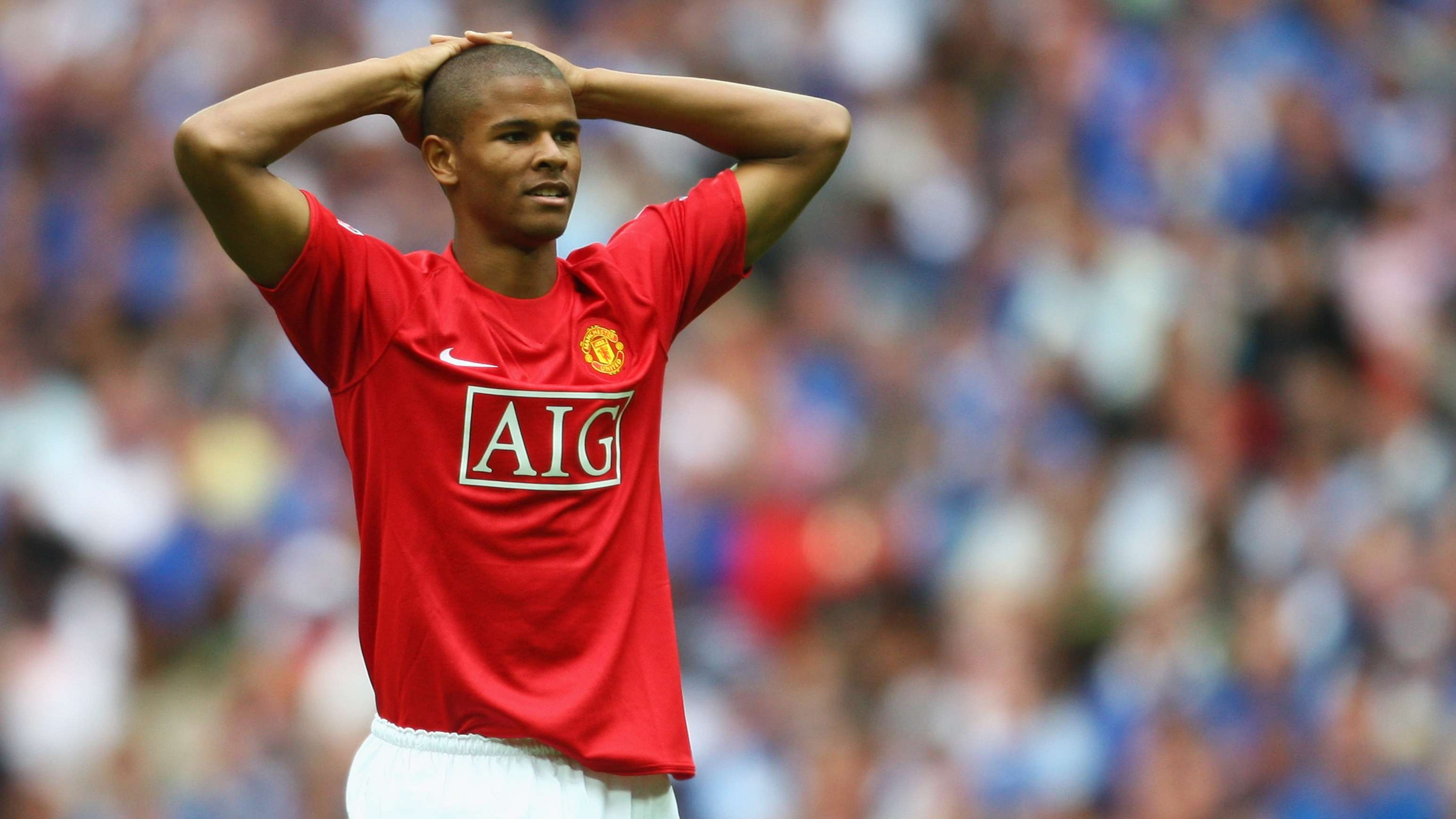
Herrera, 37, reflected on his career during a wide-ranging conversation with former England defender Rio Ferdinand. His journey has taken him from Athletic Bilbao and Manchester United to Paris Saint-Germain and Boca Juniors, giving him a close-up view of several generations of elite players. Yet when asked about the stars he encountered in Paris, Herrera repeatedly returned to Messi.
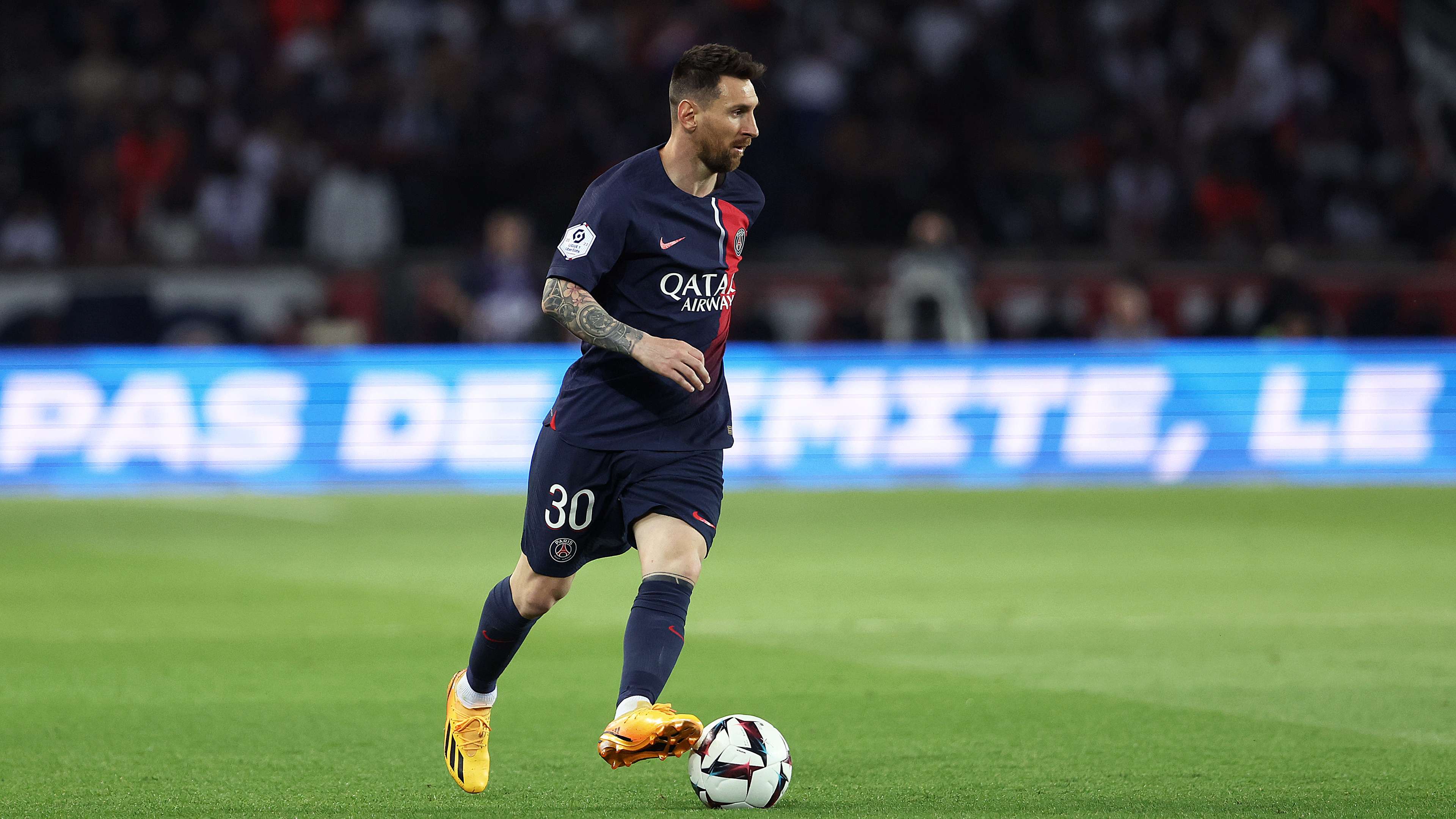
“It is something we will not see again,” he said of the former Barcelona captain, speaking to Spanish newspaper Marca. It was not simply Messi’s skill or record-breaking achievements that impressed him. Herrera was struck by the Argentine’s ability to maintain an extraordinary standard in every setting, including training.
Why Messi’s Training Standards Stood Out
For Herrera, Messi’s greatness was visible long before matchday. He recalled how rarely the forward lost possession during training, describing the consistency as “madness.” The point was not that Messi never made a mistake, but that his technical control, concentration and decision-making remained remarkably sharp day after day.
That distinction helps explain why Messi’s influence has lasted across so many seasons. Football supporters often judge players through goals, trophies and memorable performances, but teammates also see the routines behind those moments. Herrera’s account offers a glimpse of the daily discipline that helped Messi remain decisive at the highest level, even when expectations were immense.
For anyone making a football prediction, that kind of reliability is also a useful reminder: a player’s impact cannot always be measured by one highlight or one match. Consistent execution, intelligent movement and the ability to keep possession under pressure can shape a team’s performance just as powerfully as a spectacular finish.
Messi, Neymar and Mbappé: Three Different Kinds of Brilliance
Asked to consider the star power in PSG’s dressing room, Herrera named Messi, Neymar and Kylian Mbappé. He also added Ángel Di María, another world-class attacker with whom he shared the Paris dressing room. The group brought together different styles and strengths, making the team a compelling example of how individual talent can take many forms.
Herrera described Neymar as a source of footballing magic, while Mbappé struck him as a “superhero”—a reflection of the French forward’s explosive speed and physical presence. Di María, meanwhile, offered creativity and experience. But despite acknowledging the quality around him, Herrera’s central point remained unchanged: Messi’s combination of ability and consistency was unlike anything he had encountered in his career.
The comparison also highlights an important feature of elite football. A squad can contain several players capable of changing a game, but their qualities are not interchangeable. A coach must understand how to bring those strengths together, while teammates need to recognise when to create space, when to make a run and when to keep the ball moving.
How to Play Alongside Football’s Biggest Stars
Herrera believes that understanding one’s role is essential when sharing a pitch with a superstar. Rather than trying to compete for attention or possession, a supporting player can make the team stronger by helping the leading attackers operate in the areas where they are most dangerous.
He said he felt he had the empathy needed to play with elite teammates. That meant knowing when to give them room, providing a passing option when they needed support and being ready to return the ball when a move called for it. Messi and Neymar wanted the ball, Herrera explained, but they also valued teammates who could offer a useful outlet and keep the attack connected.
This approach is not limited to teams filled with famous names. At every level, football depends on players recognising how their individual responsibilities fit into a shared plan. A midfielder who covers space, wins possession or makes a timely supporting run may not dominate the headlines, but those contributions can allow a team’s most creative players to flourish.
Managing a Star-Studded Dressing Room
Herrera acknowledged that managing a squad packed with major personalities is difficult, though not impossible. He pointed to Carlo Ancelotti’s work at Real Madrid, where the coach handled a collection of high-profile players including Cristiano Ronaldo, Gareth Bale, Karim Benzema and Sergio Ramos.
His example reflects one of the central challenges of modern football management: balancing individual ambition with collective discipline. Coaches must give star players enough freedom to express themselves while ensuring that the team remains organised without the ball. When that balance works, individual brilliance can serve a clear team purpose rather than becoming a distraction.
Herrera also contrasted that approach with Luis Enrique’s willingness to make difficult decisions at PSG. In Herrera’s view, the coach recognised that certain star players could create problems for his plans and was prepared to move them on. The outcome, he noted, showed that a team can succeed by prioritising a clear footballing structure, even when that means making bold choices about personnel.
Herrera’s Perspective on an Unusual Career
Having experienced football in Spain, England, France and Argentina, Herrera is well placed to compare different leagues, dressing rooms and coaching cultures. His career has put him alongside players with different personalities and approaches, from creative playmakers to powerful forwards and demanding leaders.
That breadth of experience gives added weight to his comments about Messi. Herrera is not judging the Argentine from a distance; he saw him in training and shared the day-to-day environment of a team built around elite talent. His verdict is therefore as much about the unseen details—the control, focus and consistency—as it is about the goals and trophies familiar to fans.
For supporters, Herrera’s reflections offer a fresh way to think about greatness. Neymar’s flair and Mbappé’s speed may capture the imagination, while Di María’s creativity can change a match in an instant. But Messi’s defining quality, in Herrera’s eyes, was the ability to deliver at an extraordinary level repeatedly. That, he suggests, is what makes the Argentine a footballer who may never be replicated.