
Ousmane Dembélé’s Form Sparks Debate as Coaches Defend PSG Forward
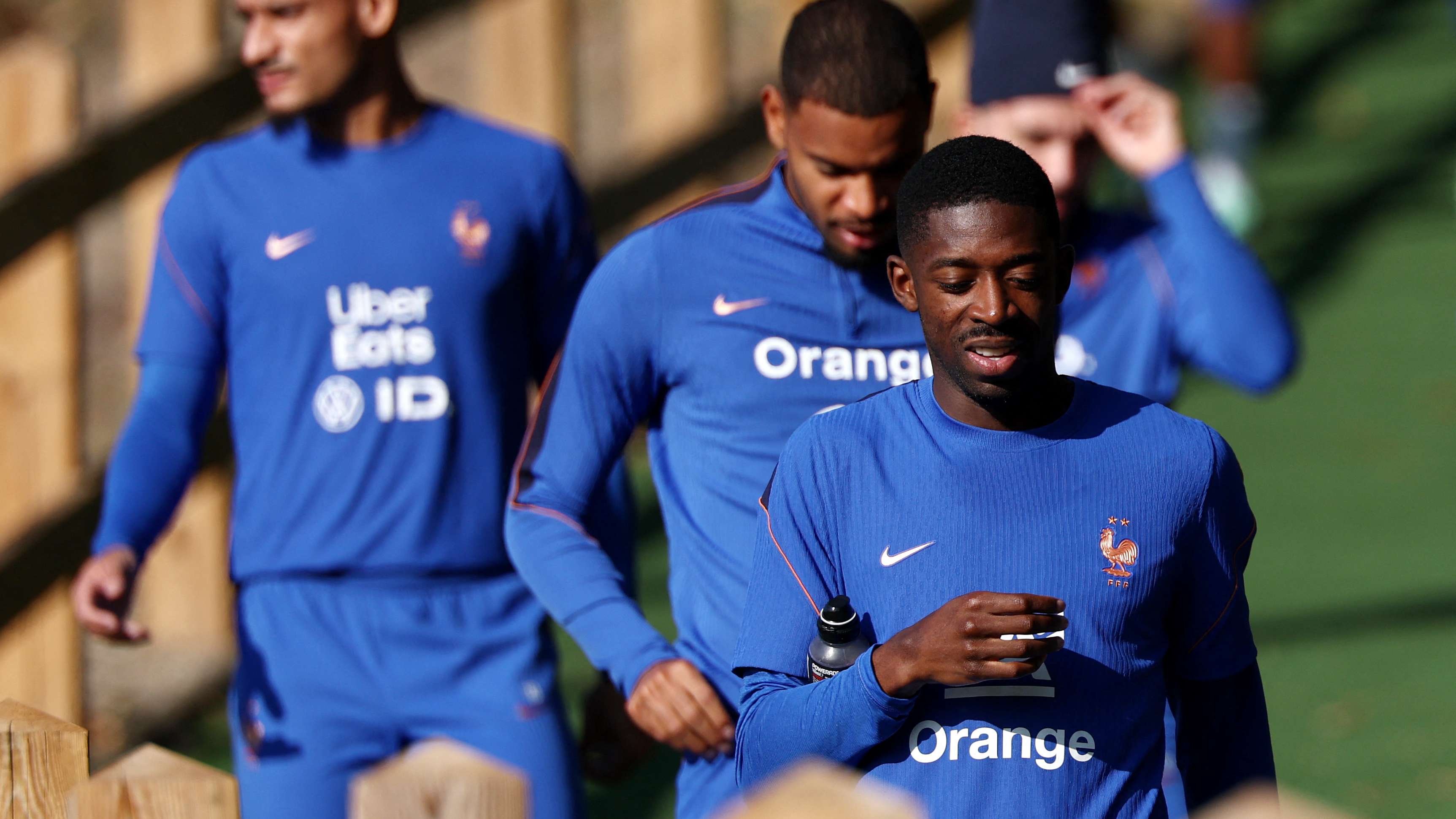
Ousmane Dembélé has become the focus of a growing debate about form, confidence and the way elite football coaches speak about their players. The Paris Saint-Germain forward has received public backing from both club and international coaches, but former PSG midfielder Jérôme Rothen believes that praise risks disguising performances that have fallen short of expectations.
The discussion comes amid scrutiny of Dembélé’s start to the season and his recent displays for France. Rothen argues that the forward has not yet shown the consistency expected of a player with his ability. Others, including former France international Emmanuel Petit and ex-goalkeeper Benoît Costil, say coaches should be careful not to criticise a player publicly—particularly when the wider football calendar is becoming increasingly demanding.
Coaches Highlight Dembélé’s Work Beyond Goals
France coach Zinedine Zidane defended his assessment of Dembélé after France’s 1-1 draw with Italy. Rather than judging the winger solely by goals or headline statistics, Zidane pointed to the movement and unpredictability he brings to the team.
He said he had been satisfied with Dembélé in the two matches he started, noting that the forward frequently moves away from his nominal position. That freedom, Zidane suggested, is part of what makes him useful: Dembélé can draw defenders out of shape, create passing options and open space for teammates, even when those contributions do not appear on the scoresheet.
Paris Saint-Germain manager Luis Enrique offered similarly strong praise at a press conference. He described Dembélé as “brilliant,” calling him a distinctive player who is willing to take on opponents, shoot and combine with those around him. Enrique’s comments reflected a familiar coaching argument: a forward’s influence cannot always be measured by goals and assists alone.
For supporters assessing a player’s form, that distinction matters. A winger may contribute through pressing, ball progression and movement that helps others find space. At the same time, those qualities do not automatically remove questions about decision-making, finishing or consistency. The disagreement over Dembélé is therefore not simply about whether he has talent, but about how much weight to give his less visible contributions when evaluating recent performances.
Rothen Questions the Public Praise
Rothen rejected the positive tone adopted by Zidane and Enrique, arguing that coaches should be more direct when a performance includes weaknesses. Speaking on French radio station RMC, the former PSG player said the national team’s display had contained both effective and ineffective moments. In his view, presenting the overall performance as satisfactory risked giving an incomplete impression.
Rothen also challenged the idea that Dembélé needs public reassurance. He asked whether a player of the forward’s standing benefits from hearing that his coach is satisfied, or whether honest criticism would be more useful. Rothen’s position is that constructive feedback need not amount to an attack: a coach can recognise positive elements while also identifying what must improve before the next international window.
His criticism was sharpened by his view of Dembélé’s season so far. Rothen described the forward’s early campaign with PSG as disappointing relative to his potential and said his recent France performances had not matched what he is capable of producing. He also pointed to the heightened expectations attached to a player being discussed in connection with the Ballon d’Or conversation.
That kind of scrutiny is common at the highest level of football. Players at major clubs are judged not only on their technical ability but on whether they deliver consistently in important matches. For Dembélé, the challenge is to turn flashes of brilliance into a more reliable influence—especially when opponents focus on limiting his space and forcing him onto less comfortable decisions.
Why Coaches Often Protect Players in Public
Former France midfielder Emmanuel Petit offered a different perspective, defending Enrique’s approach. He argued that public criticism can give journalists and commentators material to intensify pressure on a player. In his view, a coach should generally handle performance concerns privately unless poor displays have become repeated or a player’s behaviour has created a separate problem within the dressing room.
That approach reflects the delicate balance managers must maintain. Coaches are expected to be honest, but their words can affect confidence, team morale and the relationship between a player and supporters. A blunt assessment delivered in public may satisfy demands for accountability, yet it can also turn an ordinary dip in form into a larger controversy.
Costil similarly suggested that Enrique was unlikely to condemn Dembélé after his international performance. He also noted the timing: major fixtures were approaching, while discussion around individual awards was adding another layer of attention. In that environment, a coach’s praise may be intended not only as an evaluation of a display but also as a way to protect a player from unnecessary distraction.
What Dembélé Must Show Next
The disagreement highlights two competing expectations in modern football. One side wants coaches to speak plainly about shortcomings, believing that transparency helps players improve and gives supporters a realistic account of what happened. The other sees public backing as a core part of management, with detailed criticism better suited to private conversations.
For Dembélé, the most persuasive response will come on the pitch. His pace, close control and ability to attack defenders make him a constant threat when he is confident and involved. But fans and analysts will also look for sharper choices in the final third, greater consistency across a full match and a clearer return in decisive moments.
Any football prediction about his season should therefore account for both his proven ability and the uncertainty around his current form. A run of influential performances could quickly quiet the criticism, particularly if he combines his trademark creativity with goals and assists. If the inconsistency continues, debate over whether coaches are being supportive or overly protective is likely to intensify.
For now, Zidane and Enrique are emphasising what Dembélé contributes beyond the statistics, while Rothen is demanding a more candid assessment. The coming matches will provide the clearest test of both positions—and of whether the PSG forward can turn widespread expectations into consistent performances.