
David Ospina Announces Retirement From Football After Remarkable Career
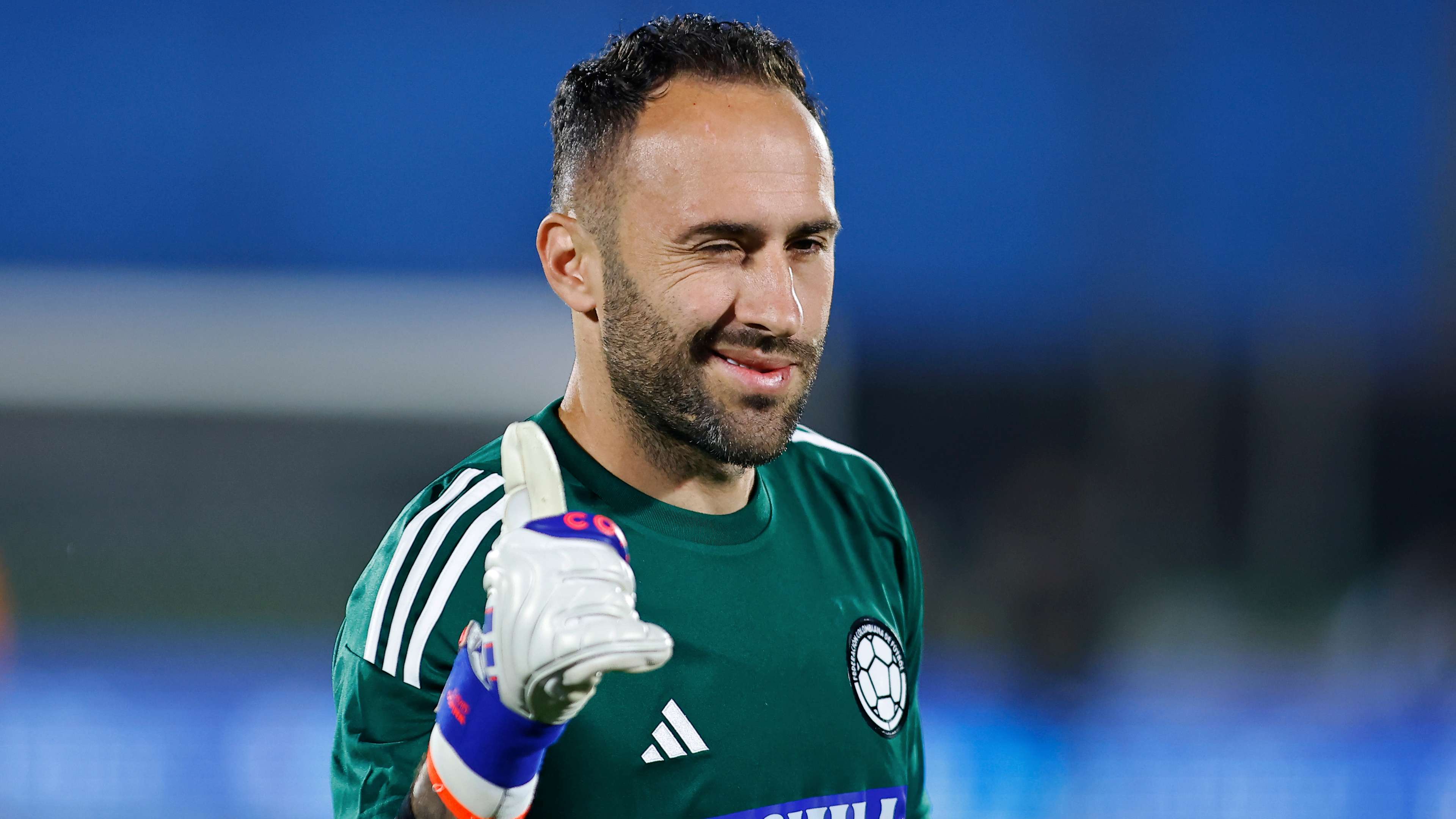
Colombian goalkeeper David Ospina has announced his retirement from professional football at the age of 38, bringing an end to a career that took him from South America to some of Europe’s most prominent leagues. The former Arsenal and Napoli player shared the news on Wednesday, reflecting on a journey that included more than 600 senior appearances and a record-setting role with Colombia’s national team.
In a message posted on Instagram, Ospina thanked the sport for the opportunities and experiences it had given him. “I say to football, thank you! I will not give it up… but I am grateful! It has been a wonderful journey! From now on, I will go wherever my smile takes me,” he wrote.
The personal tone of the announcement offered a fitting conclusion to a career defined by persistence, international travel and service at both club and national level. Although Ospina is stepping away from playing, his words suggest that football will remain part of his life in some form. For now, however, he appears ready to choose his next chapter according to what brings him happiness.
From Nice to Arsenal, Napoli and Beyond
Ospina first built a profile among European supporters during his six-year spell at French club Nice, where he played from 2008 to 2014. His performances in Ligue 1 helped establish him as a dependable goalkeeper and opened the door to a move to the Premier League.
In 2014, he joined Arsenal, beginning a four-year period with the London club. While competition for the starting position was intense, Ospina featured in domestic and European matches and contributed to a squad that regularly competed for major honours. His time in England also introduced him to a wider audience, with supporters recognising his quick reactions and composed approach under pressure.
Ospina moved to Napoli in 2018 and remained in Italy until 2022. The switch offered a fresh challenge in Serie A, a league known for its tactical demands and close attention to defensive organisation. At Napoli, he continued to draw on the experience he had gained in France and England, adapting to a different style of football and competing for opportunities in a demanding squad.
After leaving Italy, Ospina joined Saudi Arabian club Al-Nassr, where he stayed until 2024. His career also included a later association with Mexican club Atlante, the team named in reports surrounding his retirement announcement. Across these moves, he experienced football cultures and competitions on several continents—a breadth of experience few players achieve.
A Record-Breaking Career With Colombia
Ospina’s legacy is especially significant in Colombia, where he became one of the country’s most recognisable sporting figures. He made 131 appearances for the national team, a total that places him among Colombia’s most-capped players. That figure is level with James Rodríguez, underlining the longevity and importance of both players to the national side.
Representing a country across more than a decade requires more than technical ability. International football brings long journeys, changing coaches, high-stakes tournaments and the pressure of carrying supporters’ expectations. Ospina’s continued selection reflected the trust placed in his experience and leadership, as well as his ability to perform when the margin for error was small.
For goalkeepers, international careers can be particularly demanding. One decisive save can shape a match, while a single mistake may attract scrutiny. Ospina’s 131 caps speak to years of consistency and availability at the highest level. His record also provides a useful reminder that a goalkeeper’s contribution is not always captured by goals or assists: organisation, communication and calm decision-making are just as central to a team’s success.
What Ospina’s Retirement Means for Colombian Football
Ospina’s departure from the playing game marks the end of an important era for Colombia. He was part of a generation that helped raise the national team’s profile internationally, alongside players such as Rodríguez. His long service gave Colombia a familiar presence in goal through multiple cycles of qualification and competition.
The transition will create space for the next generation of Colombian goalkeepers to establish themselves. Replacing a player with Ospina’s experience is never simply a matter of finding a new shot-stopper; it also means developing the communication and authority needed to organise a defence. Younger players can look to his career as a model for adapting to different leagues while maintaining a strong connection to the national team.
For fans considering a football prediction involving Colombia in future fixtures, Ospina’s retirement is one factor in the team’s changing outlook. Any assessment should also account for the form of emerging goalkeepers, the defensive system selected by the coach and the quality of the opposition. A change in goal can influence confidence and distribution, but it does not determine results on its own. Colombia’s ability to manage the transition will depend on the strength of its wider squad and the opportunities offered to new players.
A Career Defined by Adaptability
Ospina’s path—from Nice to Arsenal, Napoli and Al-Nassr—reflects the adaptability required to build a long career in modern football. Each move brought different expectations, tactical approaches and competitive pressures. Across more than 600 appearances, he gained experience in multiple leagues while remaining a central figure for his country.
Retirement does not erase that contribution. Instead, it gives supporters an opportunity to look back at a career measured not only in appearances but also in the trust he earned from clubs and national-team coaches. His farewell message was grateful rather than dramatic, acknowledging the end of one chapter without suggesting that his connection to the sport has disappeared.
Ospina’s next destination remains his own to choose. As he put it, he will go wherever his smile takes him. After a career spent answering the demands of elite football, that promise of personal freedom may be the most fitting prediction of all: the Colombian goalkeeper is ready to define the next stage on his own terms.