
Swiss Football in Turmoil: Stars Entangled in Vaccine Forgery Scandal
The world of football is no stranger to drama, but recent developments within the Swiss national team have sent shockwaves through the sport. What was once a promising campaign in the UEFA Nations League has been overshadowed by a significant moral and legal scandal involving two of its most prominent players. As the team prepares for upcoming fixtures, the fallout from this controversy threatens to alter the course of Swiss football and raises broader questions about integrity, influence, and the dark underbelly of criminal gangs intersecting with sports.
Unveiling the Scandal: How It All Began
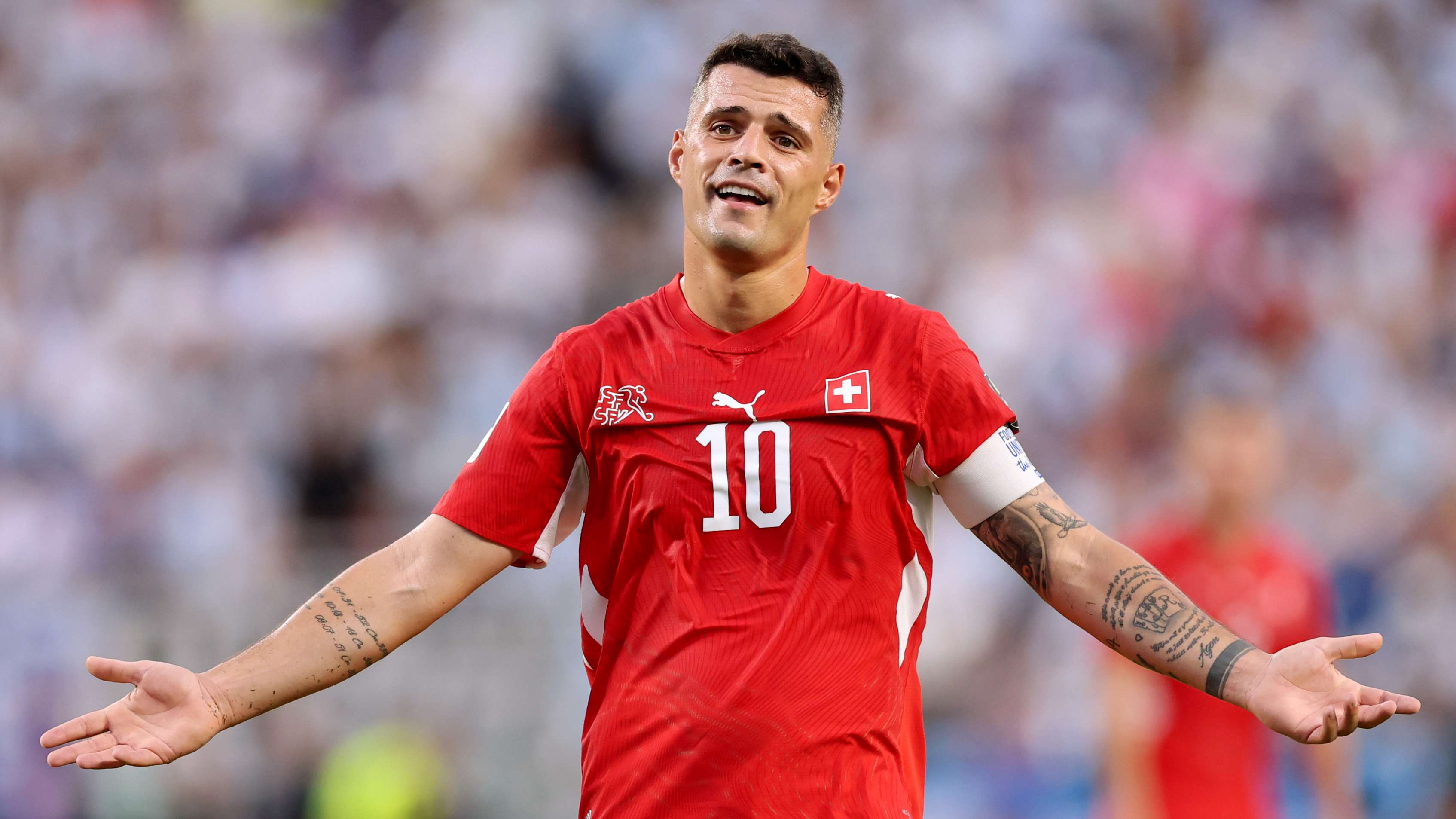
The controversy initially surfaced when Swiss media uncovered that two key members of the national squad had engaged in illicit activities related to COVID-19 vaccination certificates. The first, captain Granit Xhaka, admitted earlier this week to obtaining a forged vaccination document, raising eyebrows across the football community. Not long after, a second revelation emerged involving Breel Embolo, a highly-regarded striker currently playing for Atlanta United in the United States.
The Swiss Football Association (SFA) responded swiftly following the media reports, announcing Embolo’s immediate exclusion from the national team camp. The official statement emphasized that Embolo had disclosed the matter concerning his personal life, which had been leaked publicly, prompting the decision that he would not participate in the current training period. This move underscores the seriousness with which the association is handling the crisis, aiming to preserve the integrity of Swiss football amidst mounting scandal.
Details of the Forgery and Criminal Allegations
Digging deeper into the scandal, investigative reports reveal startling information: Embolo obtained forged COVID-19 vaccination certificates in 2021 from a member of the notorious “Hells Angels” biker gang. The Swiss prosecutor’s office in Basel issued a court order against Embolo on November 25, 2025, citing multiple charges, including incitement to forgery and related criminal offenses. These allegations are particularly damaging given the widespread public health implications during the pandemic, and they cast a shadow over the player’s reputation on and off the pitch.
In a candid interview with the Swiss newspaper Schweiz Heute, Embolo acknowledged the wrongdoing. He stated, “I realized that my actions at that time were wrong and I took responsibility for them, which is why I accepted the court ruling.” This admission reflects a moment of personal accountability, yet it also raises questions about the influence of criminal elements in sports and the vulnerabilities athletes face.
Impact on the Swiss National Team and Upcoming Fixtures
The scandal couldn’t have come at a worse time for Switzerland’s national team. With the UEFA Nations League B fixtures approaching, the team now faces the challenge of competing without two of its most vital figures. Granit Xhaka, aged 33 and a seasoned midfielder with experience at Borussia Mönchengladbach and Arsenal, had already admitted to securing a forged vaccination document earlier this week. His admission further muddies the waters and diminishes team cohesion ahead of crucial matches.
The Swiss team is now set to play four critical group fixtures, including tough away matches against North Macedonia and Scotland on September 26 and 29, followed by home games against Slovenia and North Macedonia in Lucerne on October 3 and 6. The absence of both Xhaka and Embolo significantly impacts their prediction prospects for these matches, which are pivotal for qualification and overall tournament ambitions.
Broader Context: The Dark Side of Criminal Gangs and Sports Integrity
This scandal is not an isolated incident but part of a broader pattern where organized crime infiltrates sports ecosystems. The involvement of the Hells Angels, a notorious motorcycle club with a history of criminal activities, highlights how criminal networks exploit high-profile events and public figures to further their interests. The use of forged vaccination certificates not only jeopardizes public health but also undermines the integrity of competitions, casting doubt on the authenticity of athlete participation and health protocols.
Furthermore, the case raises concerns about the susceptibility of athletes to external influences—be it financial incentives or coercion from criminal entities. The implications extend beyond Swiss football, prompting a global conversation about safeguarding sports from such illicit interference. Ensuring transparency and strict enforcement of health and safety regulations are paramount to maintaining the credibility of football predictions and tournament outcomes.
Expert Predictions and Future Outlook
As football enthusiasts analyze the current scenario, predictions for Switzerland’s upcoming matches become increasingly complex. The absence of Xhaka and Embolo leaves a significant gap in their attacking and midfield options, likely affecting team performance and strategy. Sports analysts suggest that Switzerland’s chances against North Macedonia and Scotland may be compromised, especially given the psychological toll of the scandal.
However, the team’s resilience and tactical adjustments could still enable them to secure vital points. Coaches might opt for alternative formations or younger players to fill the void, but the overall prediction leans towards a challenging road ahead. The key to their success will hinge on team cohesion, mental strength, and effective management of the crisis.
Conclusion: A Wake-up Call for Football Authorities
This unsettling incident serves as a stark reminder of the ongoing challenges faced by football authorities worldwide. It underscores the importance of rigorous vetting processes, player education, and vigilant monitoring to prevent criminal infiltration. For fans and bettors alike, understanding these developments adds a layer of complexity to football predictions, emphasizing that the sport is as much about integrity as it is about skill and strategy.
While the Swiss team navigates through this turbulent period, the hope remains that lessons learned will lead to stronger safeguards and a renewed focus on fair play. The next few weeks will be crucial, not only for Switzerland’s UEFA Nations League campaign but also for the broader effort to uphold the spirit of competitive integrity in football.
Final Thoughts
The intersection of organized crime and football is a concerning trend that requires continued vigilance from authorities, clubs, and fans. As the Swiss scandal unfolds, it highlights the need for comprehensive measures to protect the sport’s reputation and ensure that predictions about match outcomes are based on genuine sporting merit. The coming fixtures will undoubtedly be watched with keen interest, not only for their results but also as a test of the sport’s resilience against corruption and criminal influence.