








Please, turn off AdBlock
We have noticed that you are using an ad blocker. To support the development of our site, please disable AdBlock or add us to your exceptions list.
Go back to SportSermon.net
Football has a long and rich history in India, and it’s a sport that has enjoyed moments of great success, especially in the early years. Though cricket has often overshadowed football in terms of popularity, the game has carved out a passionate following in several regions of the country.
Football is believed to have been introduced to India by the British during the colonial period in the 19th century. The first recorded football matches were played in the port cities of Kolkata (formerly Calcutta) and Bombay (now Mumbai). It quickly gained popularity among the Indian population, especially in Bengal, which remains a hotbed for football to this day.
In the early 1900s, football clubs were established in major cities like Kolkata, and these clubs began to organize local tournaments. The Calcutta Football League, founded in 1898, is one of the oldest football leagues in the world. Over time, football started to spread across India, with regional tournaments becoming more common.
India’s football history is marked by the creation of the All India Football Federation (AIFF) in 1937, which was established to oversee and regulate the sport across the country. This was a significant step in formalizing the organization and promotion of football in India.
India’s national team, also known as the “Blue Tigers,” played its first international match in 1948, just a year after the country gained independence. India’s footballing success on the international stage peaked in the mid-20th century, particularly in the 1950s. The national team had its best-ever FIFA World Cup qualifying performance in 1950, when India was placed in a group for the World Cup. However, due to various reasons, including travel issues and withdrawal from the tournament, India did not participate, and this remains one of the most talked-about missed opportunities in Indian football.
Despite this setback, the 1950s and 1960s were an era of great achievements for Indian football. In 1951, India won the inaugural Asian Games football tournament, and in 1962, they repeated the feat at the Asian Games in Jakarta, cementing their place as one of the best teams in Asia at the time.
The 1970s and 1980s saw a decline in India’s international success, but football remained popular at the grassroots level. The Indian National Football League (NFL), established in 1996, became the country’s top domestic league, and clubs such as Mohun Bagan, East Bengal, and Bengaluru FC gained loyal fanbases.
A major turning point for Indian football came in 2014 with the formation of the Indian Super League (ISL), a professional football league aimed at boosting the sport’s popularity and providing more exposure to domestic players. The ISL attracted international players and coaches, helping to bring global attention to Indian football. The league has contributed to the growth of football in the country by improving infrastructure, coaching, and fan engagement.
While India still faces challenges in competing with football powerhouses, the sport continues to grow in popularity. The rise of the ISL, improvements in youth development, and increased media attention have paved the way for Indian football to have a promising future. The Blue Tigers have also shown significant improvement in recent years, regularly participating in AFC (Asian Football Confederation) tournaments, and with passionate fan support, India’s footballing journey is looking more promising than ever.
India has never played in the FIFA World Cup, though the country has come close to qualifying in the past. The most notable instance occurred in 1950, when India was invited to the World Cup in Brazil. The Indian team, however, did not participate in the tournament for several reasons, which remain the subject of much debate.
There are different theories about why India withdrew. Some say it was due to logistical challenges, such as the long travel and the cost involved in attending an international event at the time. Another popular theory suggests that India had initially planned to field a team without shoes (as many players were used to playing barefoot), but FIFA insisted on all players wearing footwear, which caused some dissatisfaction. Regardless of the reasons, India missed the opportunity to play in the 1950 FIFA World Cup, and that remains the closest the country has come to qualifying.
Since then, India has not managed to qualify for the FIFA World Cup, despite playing in various regional tournaments and improving its football infrastructure over the years. The country has participated in FIFA qualifiers, but the road to qualification has been tough, as it competes against stronger football nations.
India’s national team, known as the “Blue Tigers,” has seen some success in regional tournaments like the AFC Asian Cup and the South Asian Football Federation (SAFF) Championship, but qualification for the World Cup remains an elusive goal. With the rise of domestic leagues like the Indian Super League (ISL) and the increasing focus on grassroots football development, many hope that India can improve its international standing and eventually make its World Cup debut in the future.
Manchester City prodigy Cole Palmer recently shared a sneak peek into his life off the field on social media. The young football sensation was
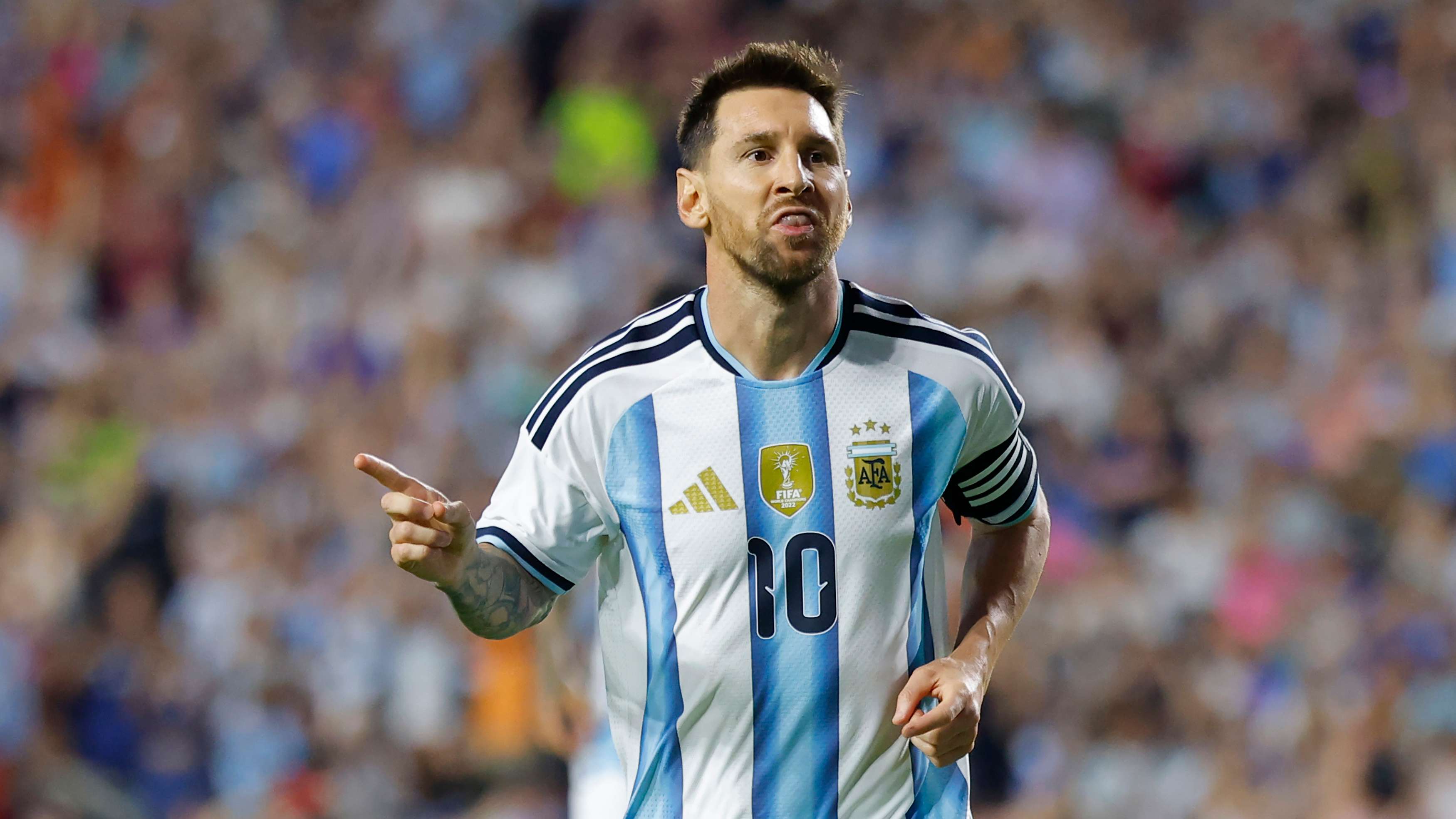
Lionel Messi’s Magic Leading Argentina Towards World Cup Glory After securing a historic victory in the 2022 World Cup in Qatar, Lionel Messi
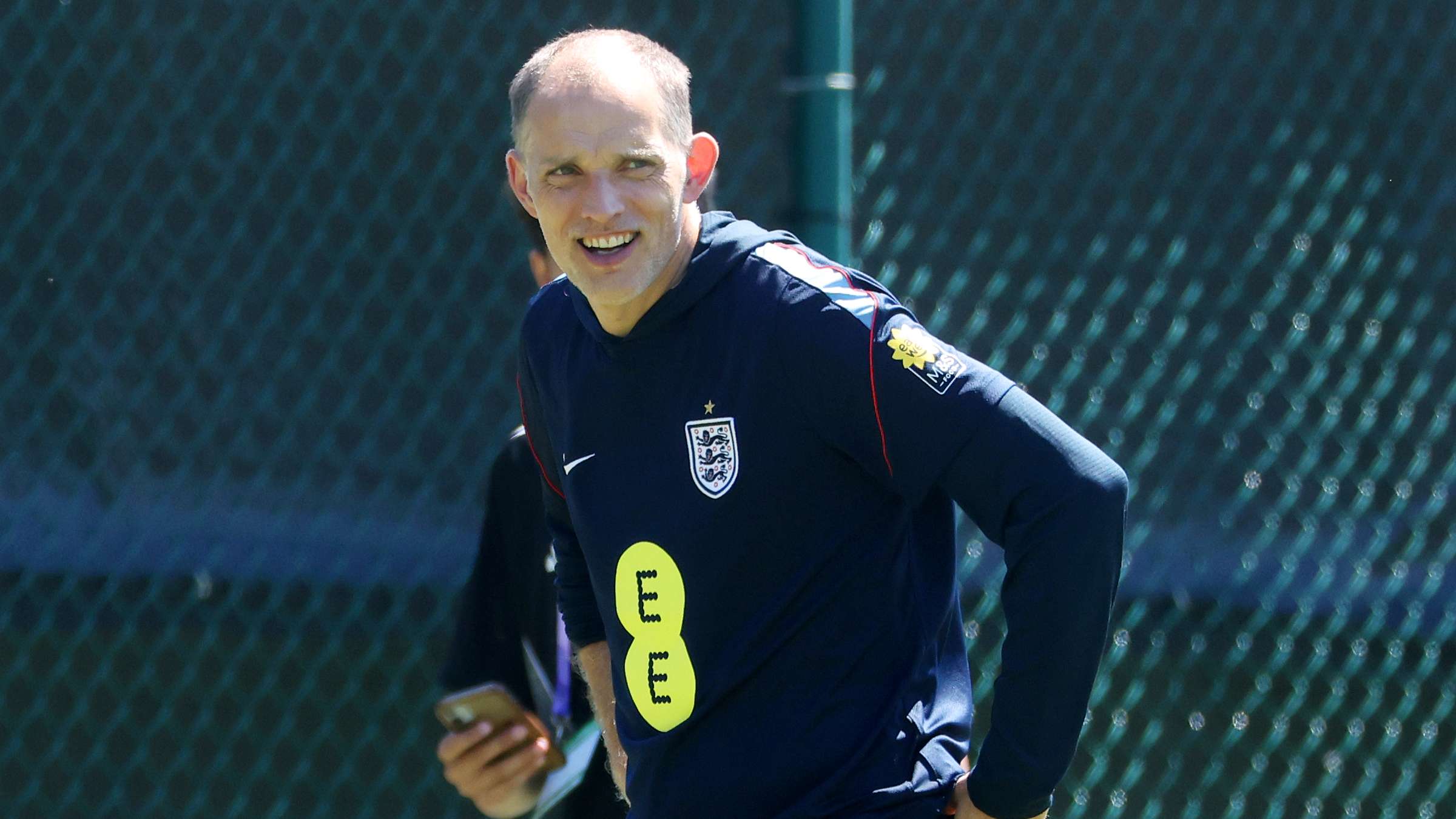
Thomas Tuchel’s Future Tied to World Stage Success Thomas Tuchel, the renowned football manager, recently inked a contract extension with
France Kicks Off World Cup Campaign with a 3-1 Win Over Senegal: A Detailed Match Analysis France kicked off their much-anticipated World Cup
Former Arsenal Star Emmanuel Petit Criticizes Bukayo Saka’s World Cup Selection Emmanuel Petit, the former Arsenal midfielder, has recently
Germany Starts Strong at 2026 World Cup Germany kicked off their 2026 World Cup campaign with an impressive 7-1 victory over Curacao, sending a clear
Hollywood Star Tom Holland Sees Potential Spider-Man in Barcelona’s Lamine Yamal Hollywood actor Tom Holland, best known for his role as
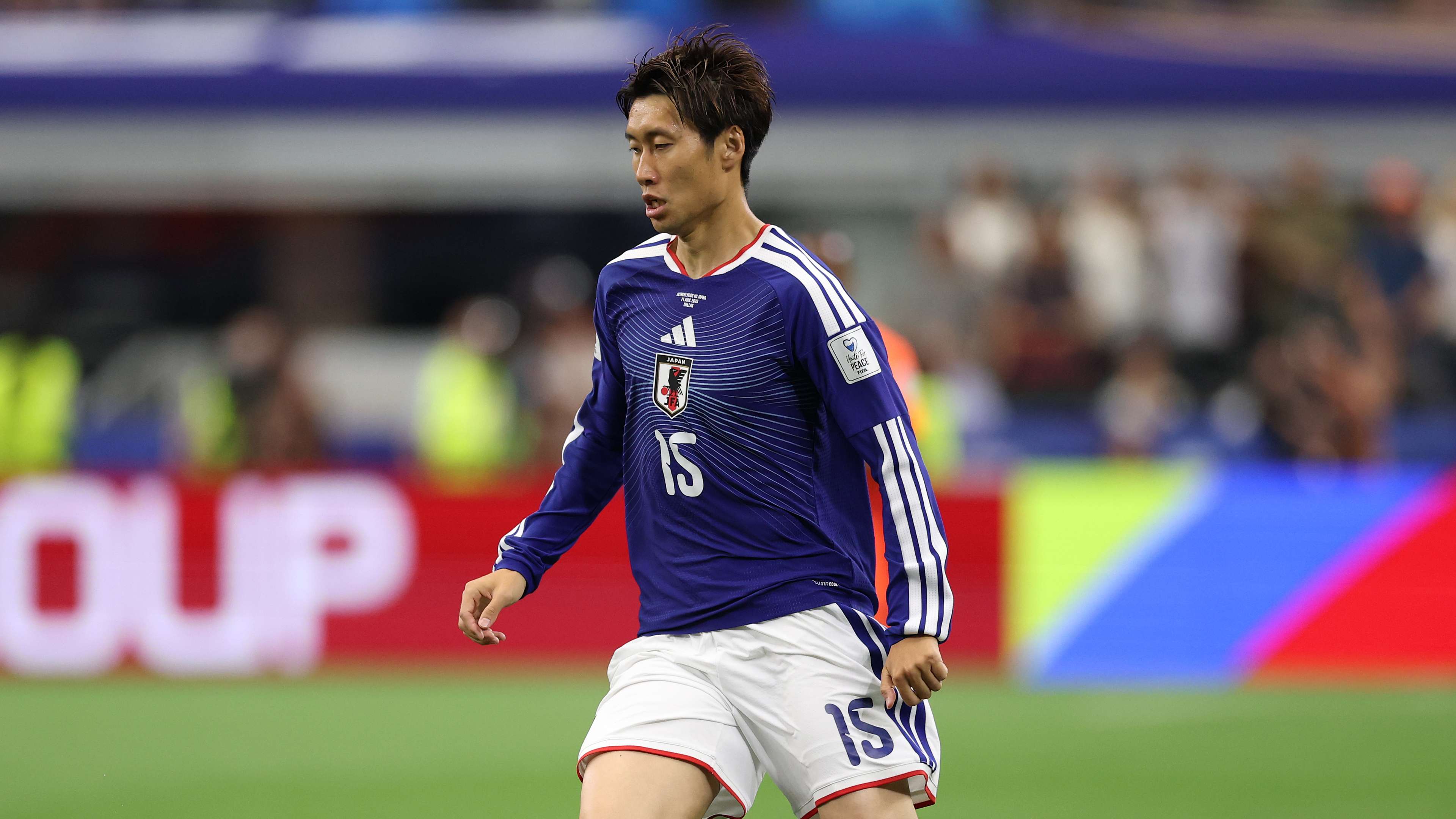
Daichi Kamada Credits Former Manager for World Cup Success Daichi Kamada, the talented midfielder for the Japanese national team, has recently made
Jonathan David Steps into the Spotlight After Cyle Larin Breaks Goal Drought After a 606-day goal drought, Cyle Larin finally found the back of the
William Saliba: The Rising Star of Arsenal and France At just 25 years old, William Saliba has already made a name for himself as a cornerstone of
Portugal’s National Team Aims for 2026 World Cup Glory Former Portugal winger, Nani, has expressed his confidence in the national team’s
Marcus Rashford’s Future Hangs in the Balance as Transfer Rumors Swirl Manchester United forward, Marcus Rashford, finds himself at a
We have noticed that you are using an ad blocker. To support the development of our site, please disable AdBlock or add us to your exceptions list.
Go back to SportSermon.net