
Spain Hit With Fresh UEFA Fine After Nations League Delay
Spain have received another disciplinary sanction, with UEFA imposing a €10,000 fine after the start of their Nations League match against England was delayed. The decision adds to a difficult run of disciplinary headlines for the Spanish national team, which was also punished by FIFA following an incident involving supporters during a friendly against Egypt.
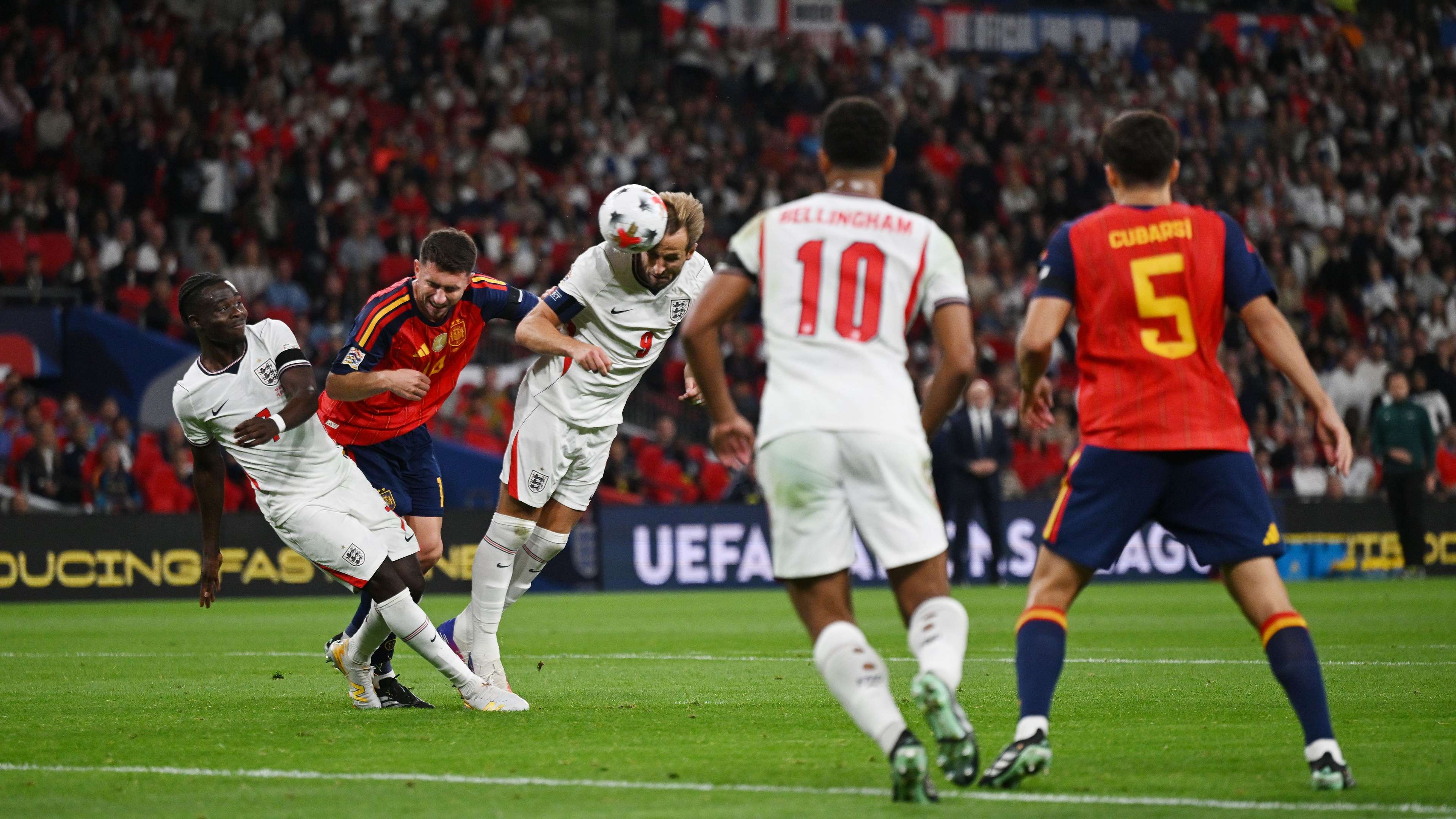
The latest case concerns Spain’s meeting with England at Wembley in September, during the opening round of the UEFA Nations League qualifying stage. UEFA’s disciplinary body ruled that Spain had breached its regulations because of the delay to kick-off. According to Spanish newspaper Mundo Deportivo, the charge was brought under Article 11, paragraph two, point “y” of UEFA’s disciplinary regulations.
Although a delayed start may appear minor compared with more serious crowd or player-related incidents, governing bodies treat match-day organisation as part of a team’s responsibilities. National associations are expected to ensure that players, staff and officials are ready to begin on time. When a delay is attributed to a team or its representatives, a financial penalty can follow.
UEFA sanction follows FIFA punishment
The UEFA fine comes only weeks after FIFA imposed its own punishment on Spain over events at a March friendly against Egypt. That match finished 0-0, but it was overshadowed by anti-Muslim chants from a section of the crowd. Among the reported slogans was “whoever does not jump is a Muslim”.
FIFA ordered Spain to play its next international friendly in a partially closed stadium and fined the Spanish federation $20,000. The measures were intended to address discriminatory conduct and underline football’s responsibility to provide a safe and respectful environment for players and supporters.
The Spanish federation is reportedly considering whether to appeal the FIFA decision. An appeal would give the federation an opportunity to challenge the ruling or seek a review of the punishment, though it would be separate from UEFA’s later action over the delayed England fixture. The two cases involve different incidents and different governing bodies: one concerns discriminatory behaviour by fans, while the other relates to the timing of a match.
Together, however, the penalties place Spain under renewed scrutiny. For a national team with a prominent profile in international football, disciplinary issues can quickly become part of the wider conversation around its performances, leadership and relationship with supporters. The fines also serve as a reminder that responsibility extends beyond what happens on the pitch.
France and Portugal also face UEFA action
Spain were not the only national side named in UEFA’s latest disciplinary decisions. France and Portugal also received sanctions connected with their September fixtures, with coaches among those formally warned by the European governing body.
France were fined €10,000 after their match against Turkey on 25 September began late. The French side won 1-0, with Kylian Mbappé scoring the decisive goal, but the result did not prevent UEFA from addressing the delay. France coach Zinedine Zidane received a warning in connection with the incident.
Portugal were handed a €20,000 fine following their 2-1 victory over Norway on 27 September. UEFA cited misconduct during the match, while Portugal coach Jorge Jesus was also warned over the delay to kick-off. The sanctions show that UEFA’s disciplinary process can address several types of conduct within the same match, from organisational problems to behaviour considered inappropriate under its rules.
For the teams involved, the sporting outcomes remain important: France claimed a narrow win over Turkey, while Portugal edged Norway. Yet the disciplinary decisions add a separate layer to the match reports, particularly for national associations responsible for ensuring that players, coaches and officials comply with competition regulations.
Why match delays matter in international football
Kick-off times are central to the organisation of major football events. Broadcasters, stadium operations, security teams and travelling supporters all rely on a carefully managed schedule. Even a short delay can affect those arrangements, which is why UEFA can impose fines when it believes a team has failed to meet its obligations.
Such penalties are generally less severe than sanctions for discriminatory conduct, but they can still carry reputational consequences. Repeated disciplinary cases may prompt closer attention from regulators and increase pressure on national federations to improve internal procedures. Clear communication between coaches, players, match officials and organisers is one way to reduce the risk of avoidable delays.
For Spain, the immediate challenge is to keep the focus on football while addressing the issues raised by both recent cases. The team’s upcoming Nations League fixtures will attract attention not only for their tactical stakes and results, but also for how the federation responds to the disciplinary decisions. Any prediction about Spain’s next campaign will naturally centre on the squad’s quality and form, yet discipline and organisation can also influence a team’s momentum.
UEFA’s actions against Spain, France and Portugal underline a broader point: international football is judged on more than the final score. Associations are expected to manage match-day responsibilities, while players and supporters are expected to uphold standards of conduct. With Spain weighing its options over the FIFA ruling and now facing a separate UEFA fine, the coming fixtures will provide a chance for the team to shift attention back to performance on the pitch.