
Barcelona Continues Unbeaten Streak with Dominant 5-0 Victory Over Valencia
In an electrifying clash at the Mestalla Stadium, Barcelona reaffirmed their supremacy in La Liga with a commanding 5-0 victory over Valencia in the fourth round of the Spanish league season. This stunning result not only extended their perfect record but also sent a clear message to title contenders about their relentless pursuit of excellence. The match was marked by exceptional performances from key players, strategic brilliance, and a controversial refereeing display that sparked debates among fans and analysts alike.
Match Highlights: A Showcase of Barcelona’s Offensive Prowess
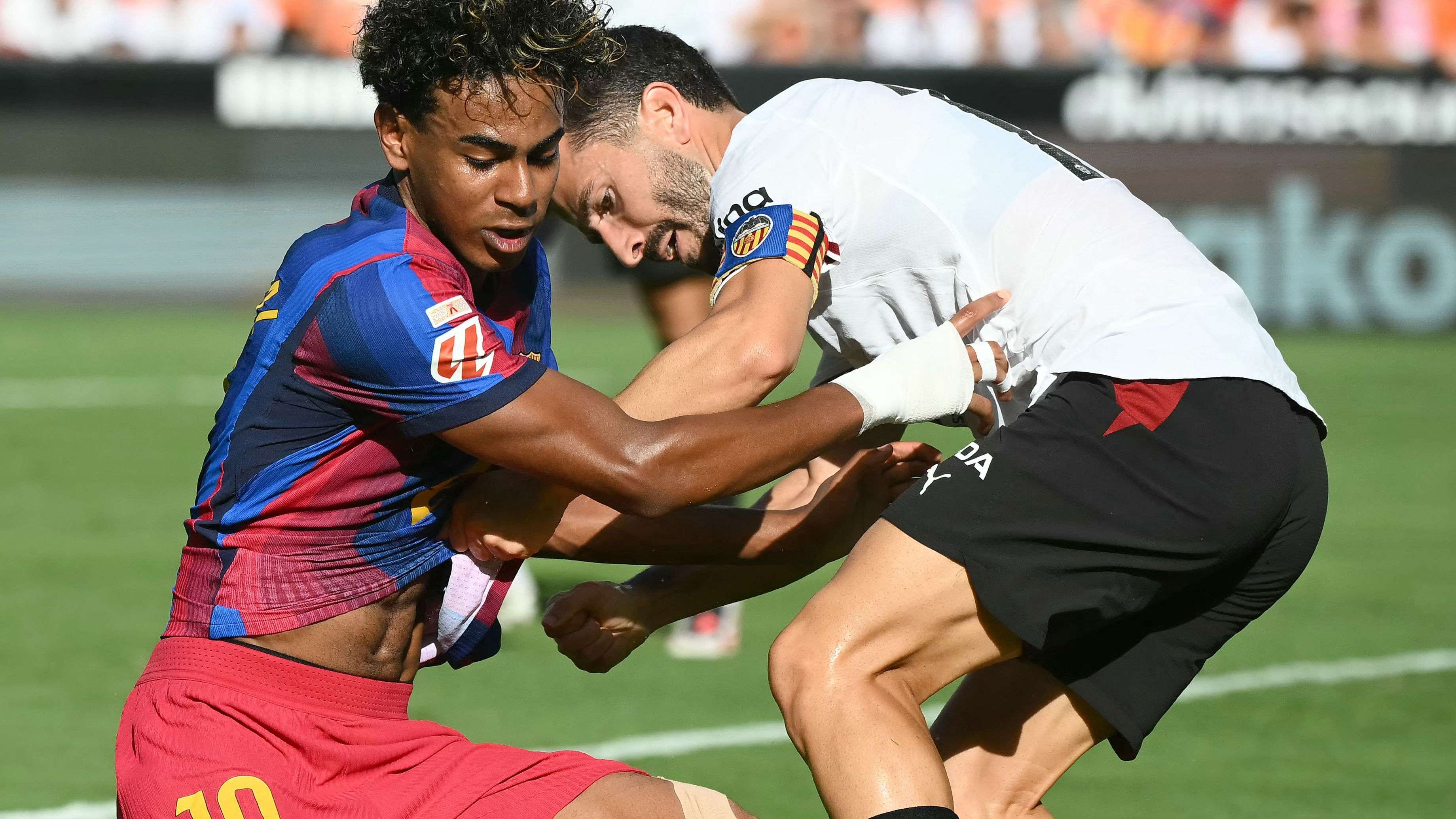
Barcelona’s attacking line was in scintillating form, orchestrating a relentless offensive assault that overwhelmed Valencia’s defense. The young sensation, Lamine Yamal, emerged as the star of the show, netting a brace that underscored his rising status in European football. His agility, vision, and clinical finishing demonstrated why many consider him one of the brightest talents in the game today.
Joining Yamal on the scoresheet were Fermin Lopez, Raphinha, and Pedri, each contributing to the rout with precise finishes and creative playmaking. Lopez’s goal showcased his technical skill, Raphinha’s strike highlighted his dribbling prowess, and Pedri’s contribution reinforced his reputation as a midfield maestro. This collective effort underlined Barcelona’s attacking versatility and tactical flexibility, which continue to make them one of the most feared teams in La Liga.
Refereeing Controversies: Analyzing the Decisions and Their Impact
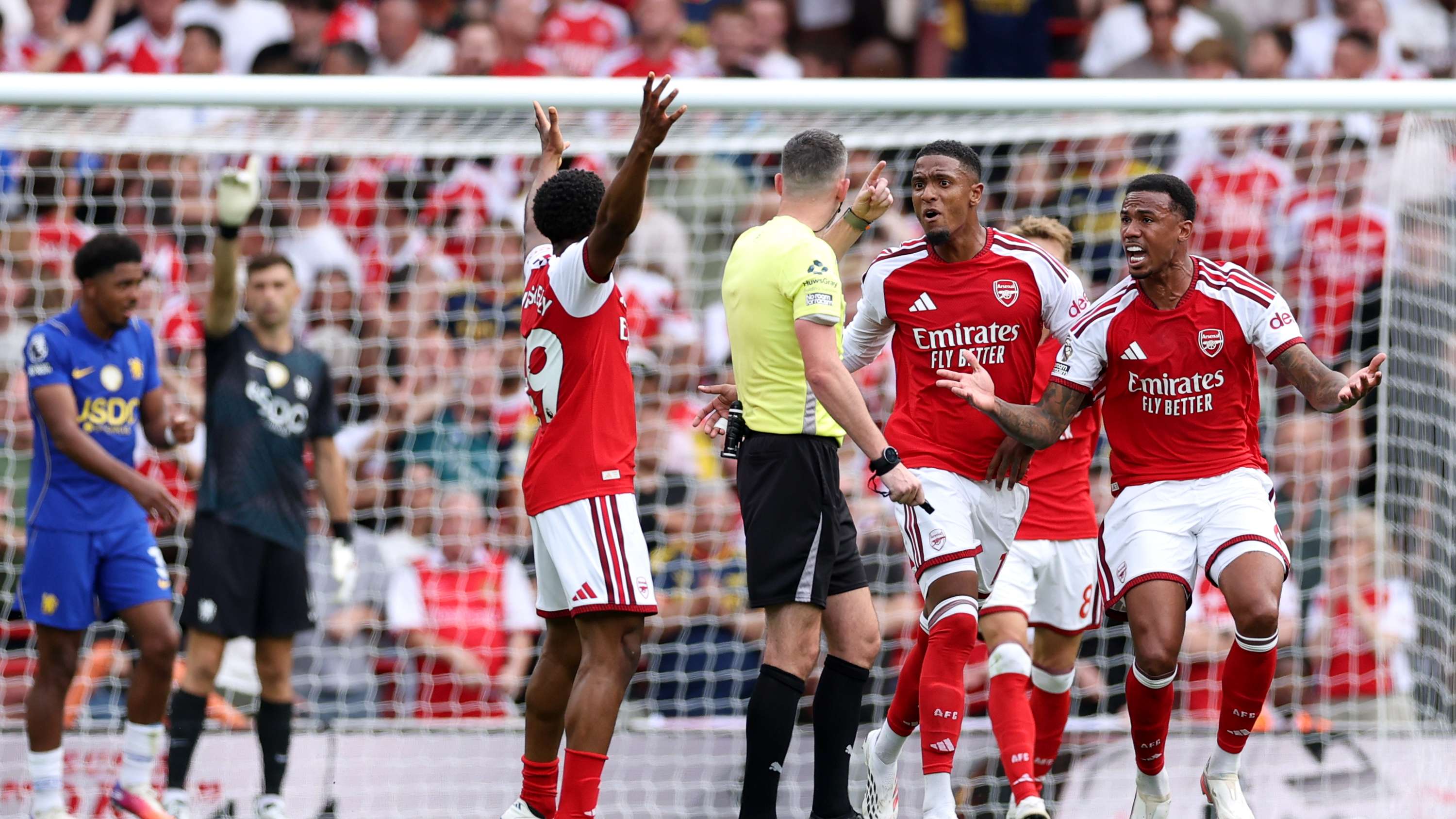
The match also drew attention for its contentious refereeing decisions, with Diaz de Mera Escuderos receiving a notably low rating of 4.75 out of 10 from Archivo VAR, a website specializing in scrutinizing refereeing incidents. According to the platform, the referee’s performance started reasonably well but gradually declined, especially as the game progressed into more physically contested phases near the penalty areas.
Archivo VAR noted that Diaz de Mera Escuderos attempted to minimize his interventions, allowing the match to flow freely. However, as Barcelona increased their tempo, the referee was forced into closer proximity to key incidents, leading to two significant contentious moments that could have influenced the outcome.
The First Controversy: A Near-Penalty Call
The first incident occurred in the first half, involving a sequence where Rodri lost possession at the edge of the Barcelona penalty area. Danjuma seized the opportunity, facing goalkeeper Joan Garcia in a one-on-one situation. During the challenge, Rodri appeared to hold Danjuma slightly by the shoulder. The decision on whether this was a foul was finely balanced, leaning heavily on the referee’s judgment since no clear evidence from the video suggested a definitive foul.
This scenario exemplifies the ongoing debate surrounding the use of Video Assistant Referee (VAR) technology in football—particularly, how much influence it should have on marginal decisions. Such calls are often subjective, and in this case, the referee’s decision to let play continue might have been justified, reflecting the complex nature of officiating at the highest level.
The Second Controversy: A Clear Penalty
The more definitive contentious moment involved Raphinha inside Valencia’s penalty area. Mavo, a Valencia defender, made a light touch on the ball but subsequently brought Raphinha down as he was in control of the ball. The incident prompted immediate attention from VAR, which confirmed that despite Mavo’s attempt to play the ball, his foul effectively prevented Raphinha from continuing his run.
Archivo VAR emphasized that touching the ball does not automatically exempt a player from committing a foul. In this case, the contact was deemed enough to warrant a penalty, and the referee’s decision to award it was consistent with the regulations. This decision was pivotal, as it not only confirmed Barcelona’s dominance but also highlighted the importance of VAR in ensuring fairness and accuracy in officiating.
Implications for Future Predictions and Football Analysis
Barcelona’s commanding performance and the controversial refereeing moments have sparked extensive discussions among football enthusiasts and pundits. Many are now analyzing how such incidents influence match predictions, especially in high-stakes fixtures where refereeing decisions can sway the outcome.
Looking ahead, experts and enthusiasts are using this match as a benchmark to refine their football predictions. Factors such as team form, individual player performances, and officiating tendencies are now being integrated into predictive models to forecast future results more accurately. As Barcelona continues to impress, their odds of winning upcoming matches and possibly the league title are trending upward, making them a prime candidate for future predictions in football betting markets.
The Broader Context: Barcelona’s Road to the Title and the Role of Match Predictions
Barcelona’s flawless start to the season sets a robust foundation for their title challenge. Their blend of youth and experience, tactical ingenuity, and attacking flair make them one of the most consistent teams in European football. For fans and bettors alike, understanding the nuances of match prediction involves a comprehensive analysis of team dynamics, referee tendencies, and even controversial incidents that can alter the course of a game.
Moreover, the recent controversies underscore the importance of VAR and officiating transparency in modern football. Accurate predictions rely not only on team form but also on understanding how refereeing can influence match outcomes. As the football world continues to evolve with technological integration, predictions are becoming more sophisticated, incorporating data-driven insights and in-depth analysis of refereeing patterns.
Expert Insights: What the Future Holds for Football Predictions
Football prediction models are increasingly integrating machine learning algorithms that analyze vast amounts of data, including referee performance ratings, to provide more reliable forecasts. These models consider variables such as team strength, injury reports, tactical setups, and even referee tendencies in similar situations.
In the context of Barcelona’s recent victory, analysts suggest that their strong attacking lineup and disciplined defense position them favorably for upcoming fixtures. However, they also caution that refereeing controversies, like those seen in the Valencia match, can still sway results unexpectedly. Therefore, understanding the influence of officiating and incorporating it into prediction strategies is crucial for sports bettors and enthusiasts aiming for accuracy.
Conclusion: A Match to Remember and Lessons for the Future
Barcelona’s emphatic 5-0 victory over Valencia not only cemented their position at the top of La Liga but also highlighted the intricate interplay between football tactics, player brilliance, and officiating decisions. As fans and analysts digest the events of this match, the emphasis on accurate predictions and understanding refereeing trends becomes ever more vital for appreciating the beautiful game.
Whether you’re a football enthusiast, a bettor, or a casual fan, staying informed about match predictions, referee reviews, and tactical insights enriches your viewing experience. Barcelona’s current form suggests a promising season ahead, but as always in football, the unpredictable nature of the game keeps fans eagerly anticipating what’s next.