
Hansi Flick Shatters Legends and Rises to the Top of Barcelona’s Coaching History: A Deep Dive into La Liga Predictions and Records
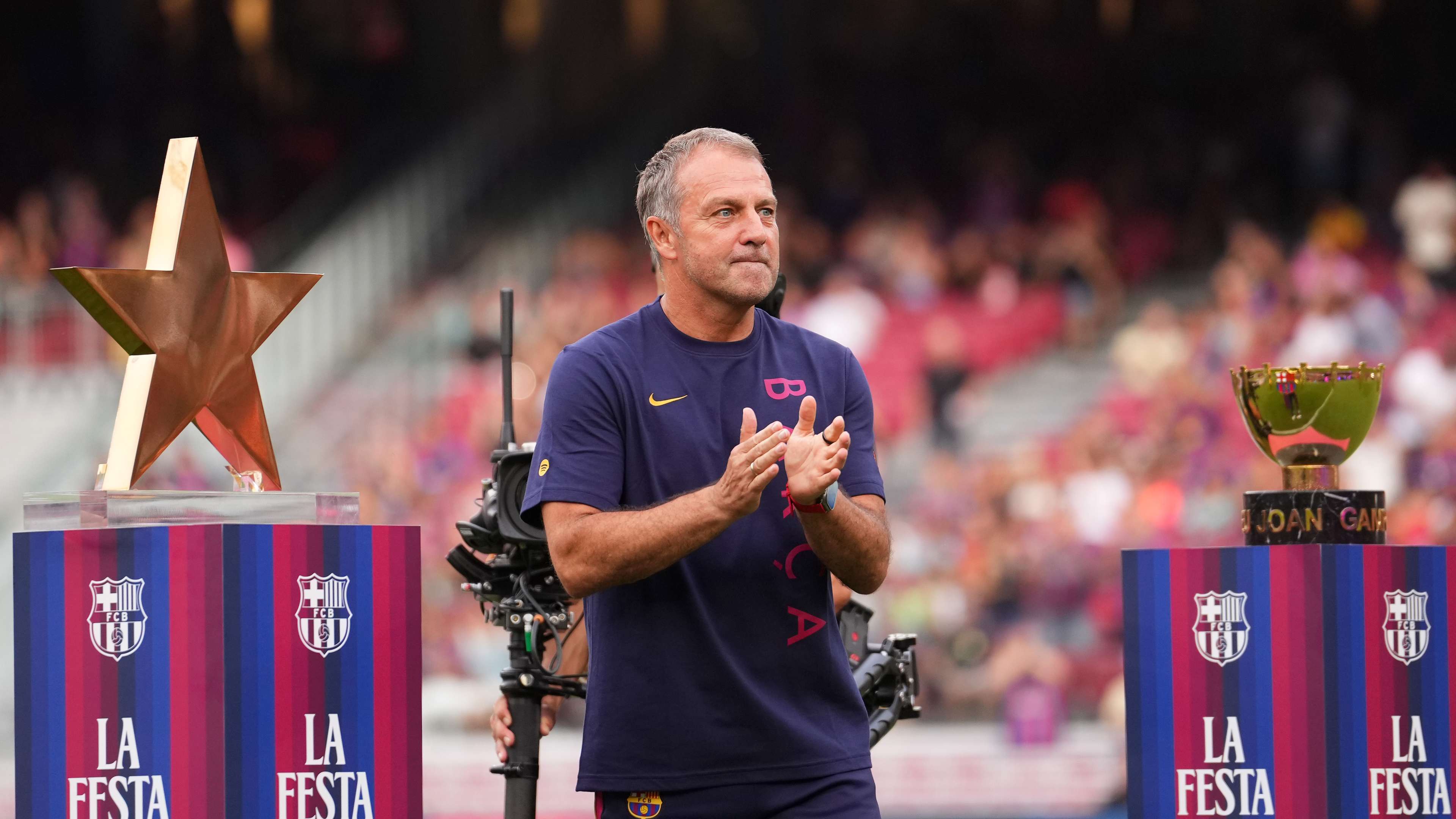
The world of football is no stranger to remarkable achievements, but Hansi Flick’s recent record-breaking performance at Barcelona has sent shockwaves through the sport. In an astonishing display of tactical mastery and strategic brilliance, the German coach has not only solidified his place among the club’s legendary managers but has also redefined the pace at which success can be achieved in La Liga. This comprehensive analysis explores Flick’s meteoric rise, compares his achievements with football’s greatest coaches, and offers insights into what this means for future football predictions and the evolving landscape of top-tier European football.
Hansi Flick’s Rapid Rise: From Newcomer to La Liga Legend
Since taking the helm at Barcelona, Hansi Flick has demonstrated an exceptional ability to adapt quickly and lead effectively. Unlike many coaches who take multiple seasons to leave a lasting mark, Flick’s tenure has been characterized by swift, impactful results. According to official data from renowned football statistician Pedro Martín and reported by Mundo Deportivo, Flick has managed to keep Barcelona at the top of La Liga standings in a remarkable 75% of the matches he has overseen.
Specifically, Flick has led Barcelona to the summit of the league table in 61 out of 81 rounds of the season—an extraordinary feat that places him among the club’s most influential coaches in history, in terms of rounds spent leading La Liga. This rapid ascent surpasses many football legends who spent years building their legacy at Barcelona, highlighting Flick’s tactical acumen and leadership prowess at an accelerated pace.
Breaking Down the Numbers: Comparing Flick with La Liga’s Coaching Giants
To fully appreciate Flick’s achievement, it’s essential to contextualize his record within the broader history of Barcelona coaching legends. Traditionally, coaches like Pep Guardiola, Frank Rijkaard, and Ernesto Valverde have set high standards, often spending multiple seasons at the club and accumulating significant rounds at the top of La Liga.
Pep Guardiola, widely regarded as one of the greatest managers in football history, has led Barcelona for four seasons, overseeing 87 rounds at the top of La Liga. His innovative tactics and team-building skills transformed Barcelona into a footballing powerhouse and set the standard for modern football prediction models.
Next is Frank Rijkaard, who managed the club across five seasons, leading to 85 rounds at the summit. His tenure laid the groundwork for Barcelona’s dominance in the late 2000s. Similarly, Ernesto Valverde reached 80 rounds in just three seasons, showcasing his ability to maintain consistent performance over relatively short periods.
In comparison, Hansi Flick has already amassed 61 rounds in less than three seasons, with only two rounds remaining before surpassing Rinus Michels’ total of 63 rounds across six seasons. This rapid accumulation underscores Flick’s efficiency and the club’s current dominance under his leadership.
The Significance of Speed: A New Benchmark in Football Management
What truly distinguishes Flick’s record is not just the number of rounds at the top but the speed at which he achieved this feat. While the legends above took multiple seasons to reach similar milestones, Flick did it in a fraction of the time—highlighting a shift in how success can be measured and achieved in football management.
This accelerated success has profound implications for football prediction models, which increasingly rely on data analytics and performance metrics. Coaches like Flick are exemplifying how tactical innovation, player management, and strategic planning can lead to swift and decisive results, influencing future predictions about team performance and coaching effectiveness.
Historical Context: Comparing Modern Achievements with Football’s Legends
Looking back at football history, coaches such as Johan Cruyff, Louis van Gaal, and Luis Enrique also left indelible marks at Barcelona, but their paths to similar levels of success were markedly longer. Johan Cruyff, often regarded as the architect of modern Barcelona football, required eight full seasons to reach 59 rounds at the top of La Liga. Similarly, Louis van Gaal and Luis Enrique took four and three seasons respectively to surpass 55 rounds.
Flick’s rapid rise not only illustrates his exceptional tactical mind but also reflects the changing dynamics of football management in the modern era. With advancements in training, analytics, and player fitness, coaches can now impact results more swiftly than ever before, challenging traditional expectations and setting new standards for football prediction accuracy.
Implications for Future Football Predictions and Club Strategy
As Flick continues to set new records, football analysts and enthusiasts are revisiting prediction models to incorporate these evolving benchmarks. With managers now demonstrating the ability to secure top positions swiftly, there’s a growing emphasis on understanding the tactical nuances and strategic planning behind such rapid success.
Furthermore, Barcelona’s current phase under Flick’s leadership is being closely monitored by football insiders and betting markets alike, as the club’s dominance suggests a high probability of continued success. This has a direct impact on football predictions for upcoming fixtures, title races, and even player transfer strategies, as clubs seek to emulate Flick’s rapid ascent.
Looking Ahead: What Does the Future Hold for Barcelona and La Liga?
Flick’s achievements mark a new chapter in Barcelona’s storied history. His ability to quickly establish dominance raises expectations for sustained success and potentially reshapes the landscape of La Liga. As the club continues to leverage modern coaching techniques and analytics, fans and analysts alike are eager to see if Flick can extend his record and possibly challenge the all-time legends by surpassing Guardiola’s 87 rounds at the summit.
For football enthusiasts and bettors, tracking such rapid progress becomes crucial in refining prediction models for match outcomes and league standings. As Flick’s influence grows, it is likely that the club will remain a dominant force in Spanish football, further fueling exciting predictions for the upcoming seasons.
Conclusion: A New Era in Football Management and Predictions
Hansi Flick’s swift and impressive rise to the top of Barcelona’s coaching hierarchy exemplifies the dynamic nature of modern football. His record-breaking performance not only cements his place among the club’s legendary managers but also signals a shift in how success is achieved and measured in top-tier football. As the sport continues to evolve, so too will the strategies for football prediction, making this an exciting time for fans, analysts, and clubs eager to stay ahead of the curve.
With each match, Flick is not only shaping Barcelona’s destiny but also rewriting the benchmarks for football management excellence. The future of La Liga and European football looks brighter and more competitive than ever, driven by innovative coaching, data-driven insights, and the relentless pursuit of greatness.