
Barcelona Face Defensive Test Ahead of Champions League Clash With PSG
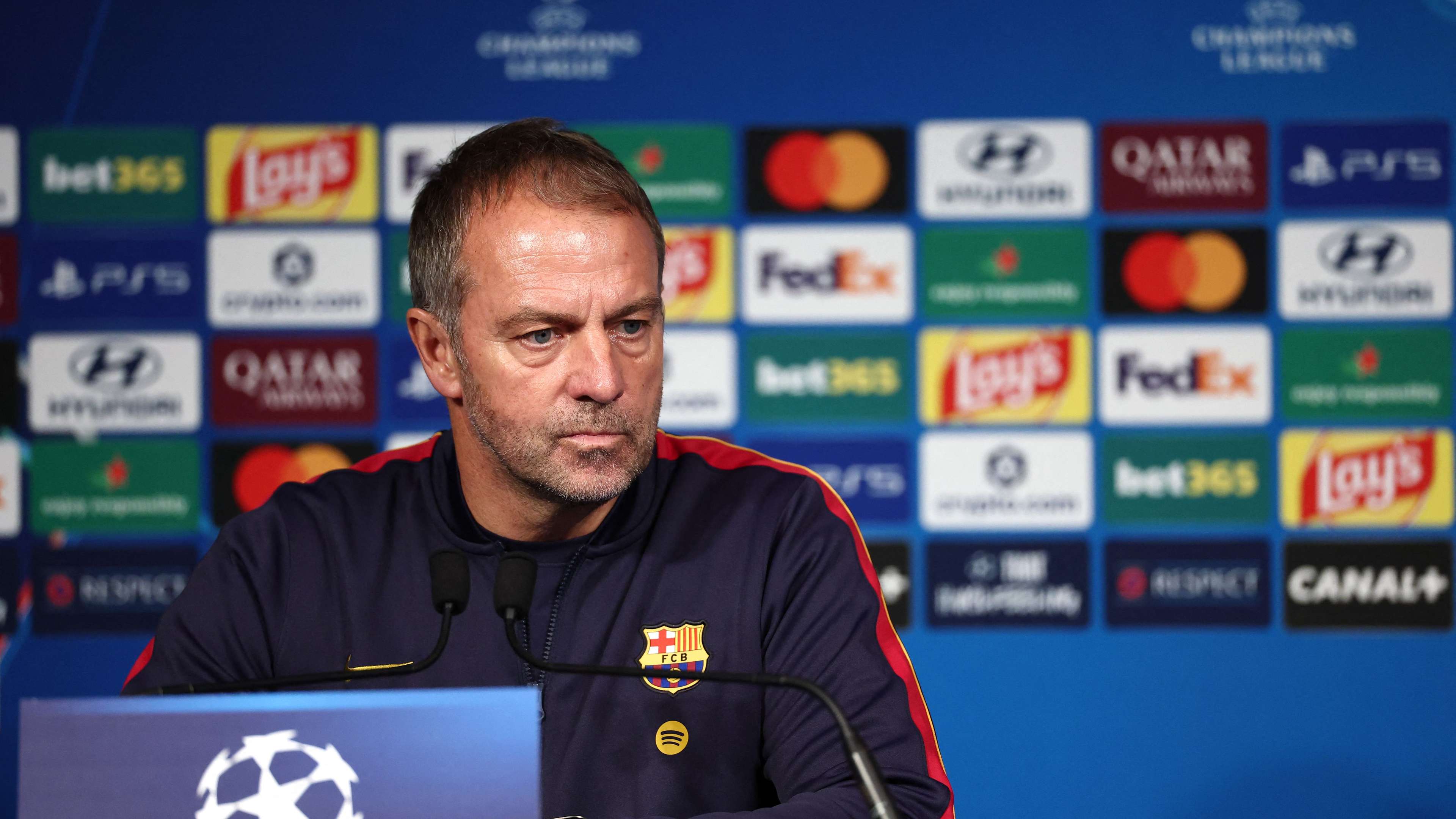
Barcelona manager Hansi Flick is preparing for a demanding Champions League meeting with Paris Saint-Germain while dealing with a growing shortage of defensive options. With important players unavailable through injury, the German coach has acknowledged that he may need to improvise at the back—including using midfielders in central defence.
The potential reshuffle adds an extra layer of intrigue to a fixture between two teams expected to compete at the highest level. For Barcelona, the challenge is not simply to contain PSG’s attack. Flick also wants his players to show that their confidence is backed by the quality, discipline and composure required to face elite opposition.
Flick Considers Midfielders as Emergency Defenders
Barcelona’s injury problems have forced Flick to examine alternatives to his preferred defensive lineup. If experienced defenders are unavailable, midfielders could be asked to move into the heart of the back line. Such a switch would not be ideal, but it could give the coach a way to maintain balance without making wholesale changes elsewhere in the team.
Using a midfielder as a centre-back can offer benefits as well as risks. A player comfortable receiving the ball under pressure may help Barcelona build attacks from deep and find passes through PSG’s pressing lines. However, the role demands different instincts: defenders must judge when to step forward, protect space behind them and coordinate closely with their partner and goalkeeper.
Against a side with PSG’s attacking quality, those details could prove decisive. A mistimed challenge or a gap between defenders may quickly become an opportunity for the opposition. Barcelona’s emergency solution will therefore require strong communication, careful positioning and support from the players ahead of the defence.
Why the PSG Match Could Shape Barcelona’s Campaign
Champions League games against leading European clubs often test more than a team’s technical ability. They expose weaknesses in organisation, decision-making and depth, particularly when injuries disrupt the starting lineup. The PSG fixture offers Barcelona a demanding measure of how well Flick’s ideas hold up under pressure.
Flick has called on his confident squad to prove its worth against what he regards as the best team in world football. That message reflects the scale of the task: Barcelona will need to combine ambition with restraint. Attacking aggressively may create chances, but leaving too much space behind the defence could give PSG the openings it needs.
The contest is also a test of Barcelona’s resilience. Top sides are often judged by how they respond when circumstances are not ideal. A makeshift defensive unit could become a vulnerability, but it could also demonstrate the squad’s adaptability if players carry out their roles with discipline.
Barcelona’s Tactical Priorities
If Flick turns to midfielders in defence, Barcelona may need to adjust its approach to reduce the pressure on them. Keeping the team compact can limit the space PSG has to attack between the lines. Midfielders may also be asked to track runners more diligently, while the full-backs could be encouraged to choose their forward runs carefully rather than advancing at every opportunity.
Possession could be another important part of Barcelona’s defensive plan. Keeping the ball does not guarantee safety, but patient build-up can prevent PSG from launching repeated attacks. Barcelona will need to move possession with purpose, avoid risky passes in dangerous areas and recognise when a more direct option is the sensible choice.
Transitions may be especially important. When Barcelona lose the ball, the nearest players must react quickly to slow PSG’s counterattack. That immediate pressure can give an improvised defence time to recover its shape. If the first challenge is bypassed, the back line may be left exposed against fast attackers—a scenario Flick will be keen to avoid.
What the Injury Crisis Means for the Team
Injuries can force coaches to reconsider not only who starts but how the entire team functions. A change in central defence may affect Barcelona’s pressing height, the positioning of its midfielders and the way the goalkeeper distributes the ball. Players who usually operate in midfield may also need time to adapt to the defensive responsibilities of their new position.
That makes preparation especially important. Training sessions can help establish clear partnerships and routines, but match conditions are different: PSG will actively target any uncertainty. Barcelona’s defenders will need to stay connected, while the midfield must provide cover rather than leaving the back line isolated.
For supporters following the latest football news, the selection question is likely to remain a major talking point before kickoff. The final lineup could reveal how much risk Flick is willing to accept and whether he prefers a natural defender, a converted midfielder or a broader tactical adjustment.
Prediction: A Close Contest With Little Room for Error
Any football prediction for a Champions League clash of this scale must account for both teams’ attacking ability and Barcelona’s defensive uncertainty. PSG will see an opportunity to test a patched-up back line, while Barcelona can draw confidence from its technical quality and the possibility of controlling possession.
The outcome may depend on which side handles pressure more effectively. If Barcelona’s midfielders adapt quickly and the team remains compact, Flick’s emergency plan could be effective. If PSG finds space early or forces mistakes during the build-up, the visitors’ attacking threat may become difficult to contain.
Rather than expecting an open, one-sided game, a close encounter appears more plausible. Barcelona’s confidence will matter, but so will concentration across the full match. Flick’s challenge is to turn an injury problem into a collective test of organisation—and to ensure that his players demonstrate they belong on the same stage as Europe’s strongest sides.