
On Shares Slip After Kylian Mbappé’s Mao Zedong Remarks Spark Commercial Fallout
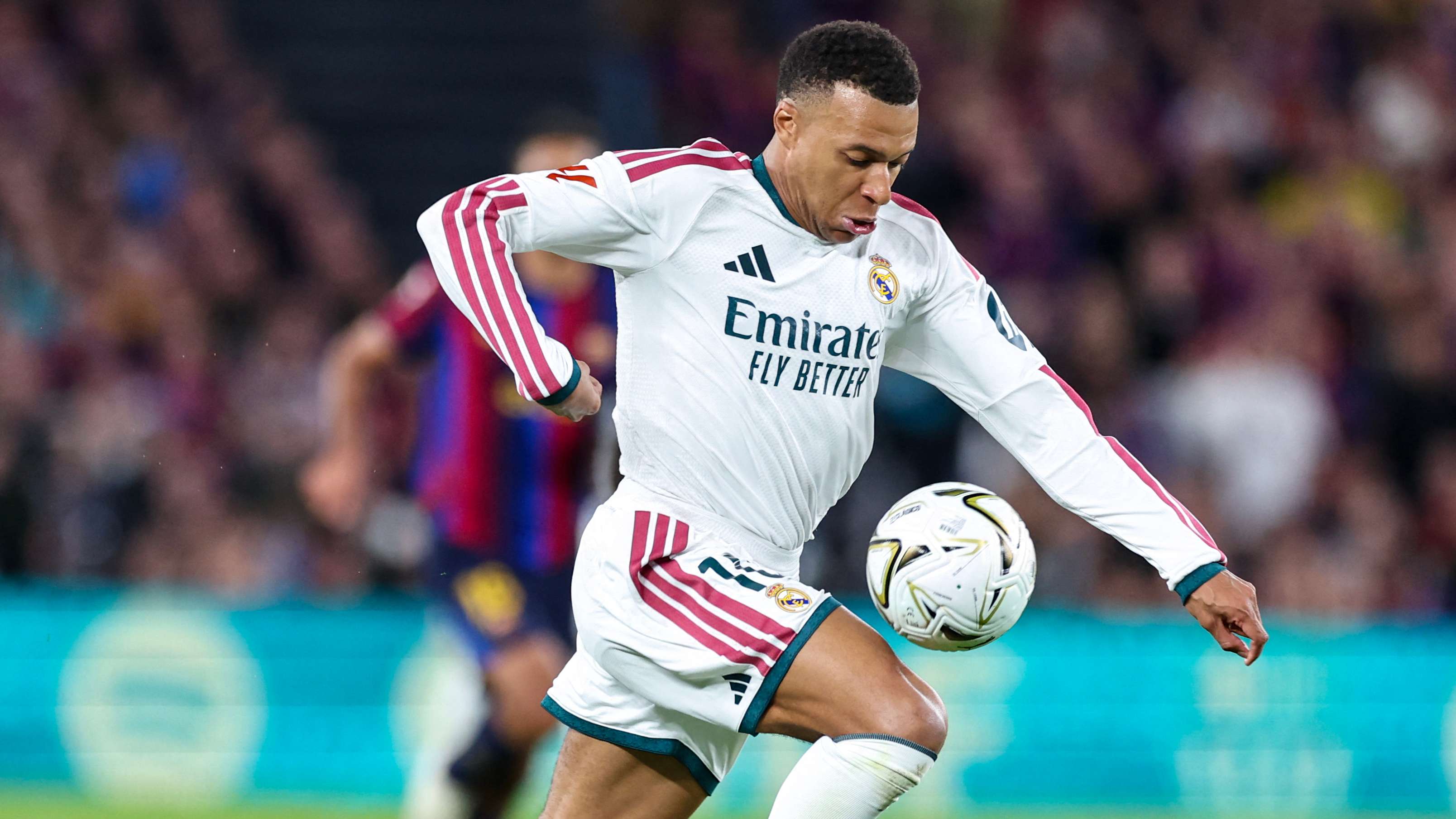
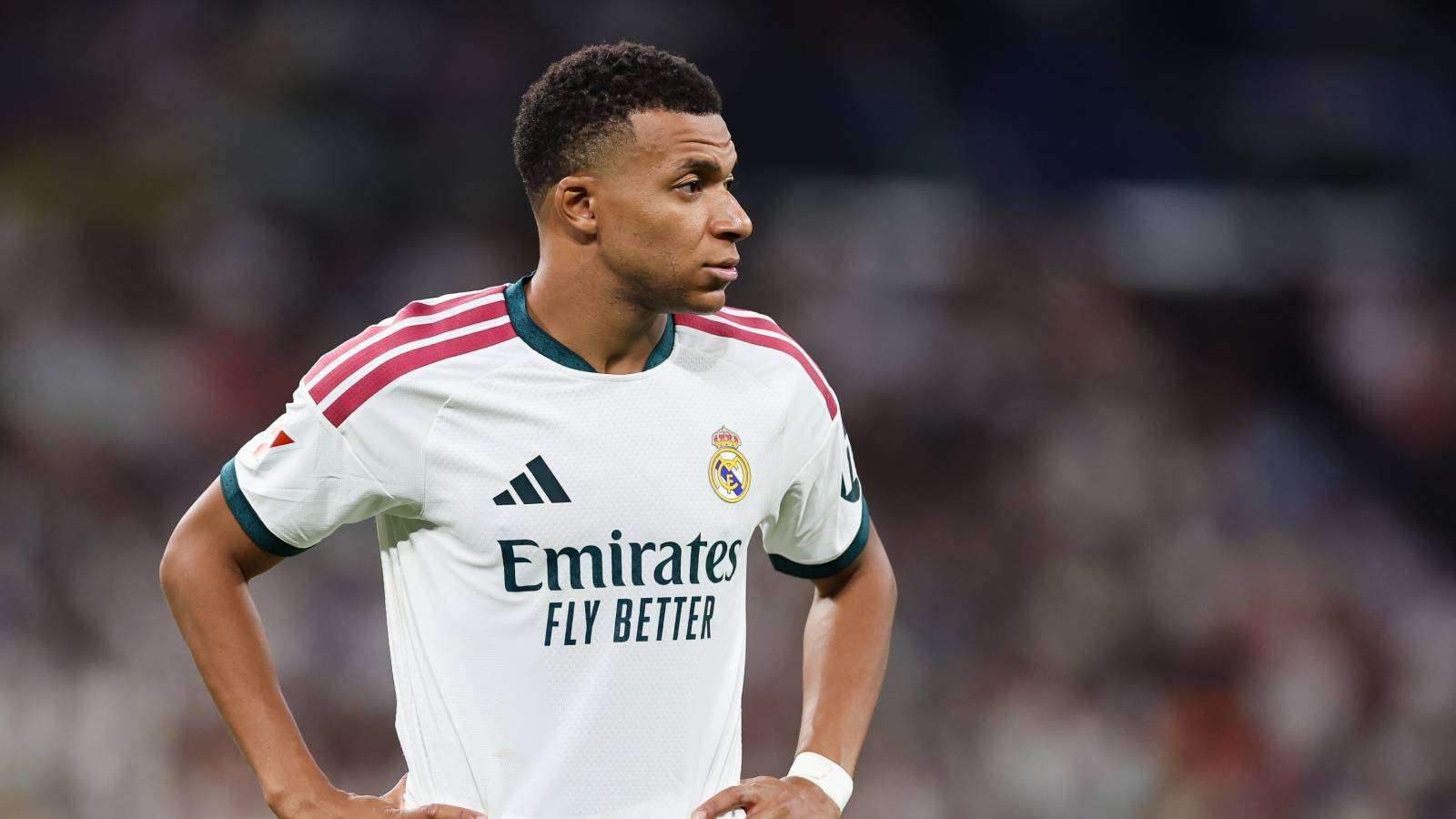
Shares in Swiss sportswear company On fell 3.81% after controversy surrounding football star Kylian Mbappé’s comments about former Chinese leader Mao Zedong drew attention to the player’s commercial partnerships. The market dip came as the France captain faced criticism in China and three Chinese companies reportedly ended their sponsorship agreements with him.
According to French newspaper Le Parisien, On shares closed at $33.06 on Monday before opening at $31.80 on Tuesday. The stock later steadied and edged upward, suggesting that the initial reaction did not continue at the same pace throughout the trading session. Still, the decline underscored how a public controversy involving a high-profile athlete can quickly become a concern for brands and investors.
A New Partnership Under the Spotlight
The timing is notable because Mbappé’s relationship with On is relatively recent. Last September, the French forward ended his long-running association with Nike and joined the Swiss company, marking a major change in his commercial career. For On, signing one of football’s most recognizable players offered a chance to raise its profile beyond its established running and tennis audience.
Founded in 2010, On built its reputation through performance running shoes before expanding into tennis, apparel and a wider range of sports footwear. Its shareholders include Swiss tennis great Roger Federer, who became closely associated with the brand after leaving Nike near the end of his professional playing career. Thierry Henry, the former France striker, also took on a football director role at the company around the time Mbappé joined.
Mbappé’s arrival attracted market attention. Le Parisien reported that On’s share price climbed from $27.26 to $30.46 in less than a week after the partnership became public. That earlier movement illustrates the commercial influence a global football star can bring to a sportswear company. It also highlights the reverse risk: when a celebrity partner becomes the focus of controversy, brands may face questions about reputation, sponsorship strategy and the potential impact on sales.
How the Controversy Began
The dispute followed Mbappé’s reaction to a satirical image that placed his face over a picture of Mao Zedong, China’s former leader. Mbappé reportedly described Mao as a “dictator,” a remark that prompted strong criticism among some people in China. The reaction soon extended beyond social media, with three Chinese companies reportedly ending their commercial partnerships with the French footballer.
The episode shows how quickly an online exchange can take on international significance, particularly when it involves a public figure with a large following and a substantial portfolio of brand deals. Companies operating across borders must consider how a statement may be received by audiences with different historical and cultural perspectives. For athletes, the challenge is balancing personal expression with the expectations attached to global sponsorships.
Mbappé moved to address the backlash on Tuesday, issuing an apology to the Chinese public. “I offer my apology to everyone my words have hurt. This was never my intention at all. I have deep respect for the Chinese people and their history, and I am sincerely sorry,” he said.
On Wednesday, Chinese Foreign Ministry spokesperson Guo Jiakun said China “takes seriously the apologies offered by the person concerned,” referring to Mbappé’s statement. The response acknowledged the apology, though it did not itself resolve the commercial consequences or indicate whether the companies that ended their agreements would reconsider.
What the Share Price Move May—and May Not—Mean
On’s brief share-price decline should be viewed in context. A fall in a company’s stock on a particular day does not prove that one event alone caused the movement. Share prices can also be influenced by broader market conditions, investor expectations, company news and trading activity. However, the timing of the drop drew attention to the potential link between the controversy and the brand’s association with Mbappé.
For investors, the more important question may be whether the incident has lasting effects. A short-lived dip can reflect immediate uncertainty, while a sustained impact would depend on factors such as consumer response, the company’s sales outlook and how it manages its partnership. On’s broader business spans multiple products and markets, so the long-term consequences cannot be judged from a single trading session.
Why Athlete Reputation Matters to Sports Brands
Modern sponsorships are built on more than an athlete’s performance on the pitch. Brands often seek partners who can bring visibility, connect with younger audiences and represent a particular image. Mbappé’s status as a leading football figure makes him commercially valuable, but global reach also means that his words and actions can attract scrutiny across many countries at once.
For sportswear companies, this creates a delicate balance. A star signing can help drive awareness and distinguish a brand in a crowded market, yet it also connects the company’s public image to the athlete’s conduct and reputation. The latest episode is a reminder that sponsorship agreements carry both opportunity and exposure, especially when business relationships cross cultural and political boundaries.
As the situation develops, attention will likely focus on whether Mbappé’s apology eases public criticism, whether any of the Chinese companies revisit their decisions, and how On communicates about its partnership with the France captain. The immediate stock movement was limited and later stabilized, but the controversy offers a wider lesson for the sports industry: in a global football economy, reputation can influence commercial relationships as quickly as success on the field.