
France Sports Minister Supports Joint Bid with Germany for 2038 World Cup
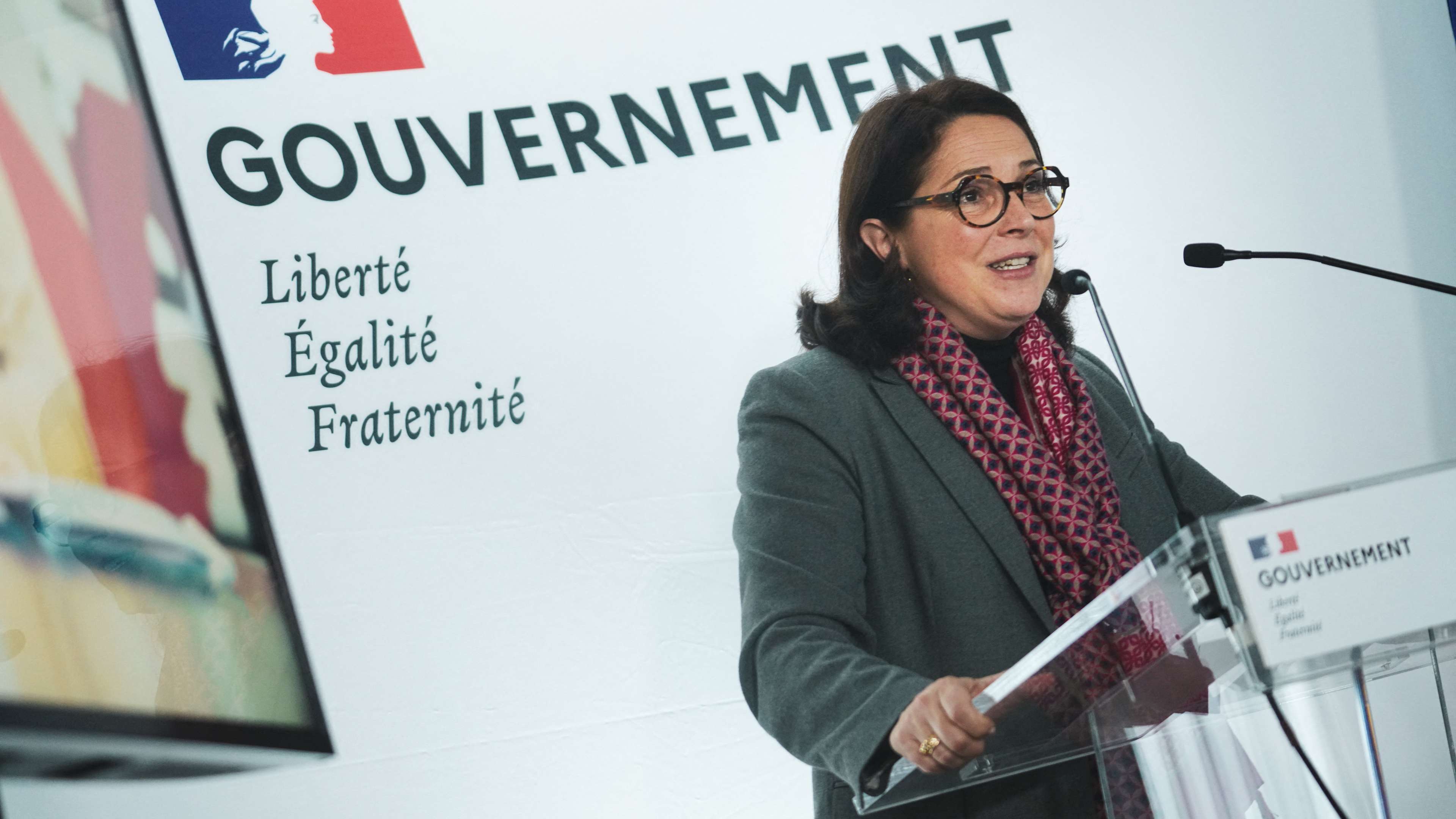
The French Sports Minister, Marina Ferrari, has expressed her support for a potential joint bid with Germany to host the 2038 World Cup. This move comes as part of France’s strategy to host major sporting events in the coming years, showcasing their commitment to international sports.
French-German Collaboration in Sports
During an interview on Sud Radio, Ferrari addressed rumors of a joint bid between France and Germany for the 2038 World Cup, emphasizing the importance of cooperation between the two nations in hosting major tournaments. While the bid has not been officially confirmed, Ferrari voiced her approval of the idea, highlighting the growing partnership between France and Germany in the realm of sports.
According to Ferrari, the collaboration between the two countries has been on the rise, with successful joint ventures such as the upcoming Handball World Championship in 2029. She believes that working together with European partners, like Germany, can create a winning model for hosting international sporting events.
Furthermore, Ferrari pointed out that developing the sports economy is a key aspect of the plan, aiming to enhance the overall sporting infrastructure and opportunities in both France and Germany. This aligns with France’s goal of hosting major international events and showcasing their expertise in organizing large-scale tournaments.
France’s Experience in Hosting Major Events
Ferrari highlighted France’s track record in hosting prestigious sporting events, including the successful staging of Euro 2016 and the upcoming Olympic and Paralympic Games in Paris 2024. She emphasized that France is well-prepared to host major tournaments, citing their infrastructure and experience gained from previous events.
With the Winter Olympic and Paralympic Games set to take place in France in 2030, the country is looking to further solidify its position as a top host for global sporting competitions. France previously hosted the World Cup in 1998, where they clinched their first title on home soil, and now aims to enhance their reputation in the race for hosting international tournaments.
Future of International Football Competition
As international football gears up for more joint bids between European nations, the landscape of global tournaments is evolving. The 2030 World Cup is slated to be held in Spain, Portugal, and Morocco, while Saudi Arabia has secured the hosting rights for the 2034 edition. With the potential joint bid between France and Germany for the 2038 World Cup, the international football community is witnessing a shift towards collaborative efforts in hosting major events.
Overall, France’s support for the joint bid with Germany reflects their commitment to promoting international sports cooperation and hosting world-class tournaments in the years to come.
Benefits of Joint Bids
Collaborative bids for hosting major sporting events offer a range of benefits for countries involved. By teaming up with neighboring nations like Germany, France can share the financial burden of organizing a World Cup, as well as the infrastructure and logistical demands that come with hosting such a large-scale tournament. This partnership allows both countries to leverage their strengths and resources to create a more compelling and successful bid.
Joint bids also promote unity and cooperation among nations, fostering diplomatic relations and cultural exchanges. Hosting a World Cup together can strengthen the bond between France and Germany, showcasing their ability to work together towards a common goal. It also provides an opportunity for both countries to showcase their unique cultures, traditions, and hospitality to a global audience.
Global Football Landscape
With the increasing trend of joint bids for international football tournaments, the landscape of global football is evolving. Nations are recognizing the benefits of collaboration in hosting major events, leading to more creative and inclusive approaches to organizing World Cups. This shift towards joint bids reflects a desire to spread the impact and benefits of hosting a World Cup across multiple countries, creating a more diverse and inclusive experience for fans and participants alike.
Furthermore, joint bids can help distribute the economic benefits of hosting a World Cup more evenly among participating nations. By sharing the costs and revenue generated from the tournament, countries can mitigate the financial risks associated with organizing such a large-scale event, while still reaping the rewards of increased tourism, infrastructure development, and global exposure.
Conclusion
France’s endorsement of a joint bid with Germany for the 2038 World Cup signals a new era of collaboration in international football competition. As countries seek to host major sporting events, the emphasis on cooperation and partnership is becoming increasingly important. By working together with neighboring nations, like Germany, France aims to strengthen its position as a top host for global tournaments and showcase its commitment to promoting unity and sportsmanship on the world stage.
As the international football community continues to evolve, joint bids offer a promising future for hosting major tournaments, with countries coming together to create memorable and impactful experiences for fans, players, and host nations alike. France and Germany’s potential joint bid for the 2038 World Cup is a testament to the power of collaboration in shaping the future of international sports.