
Unanticipated Moments in Football: When Coaches’ Jokes Miss the Mark and Impact Predictions
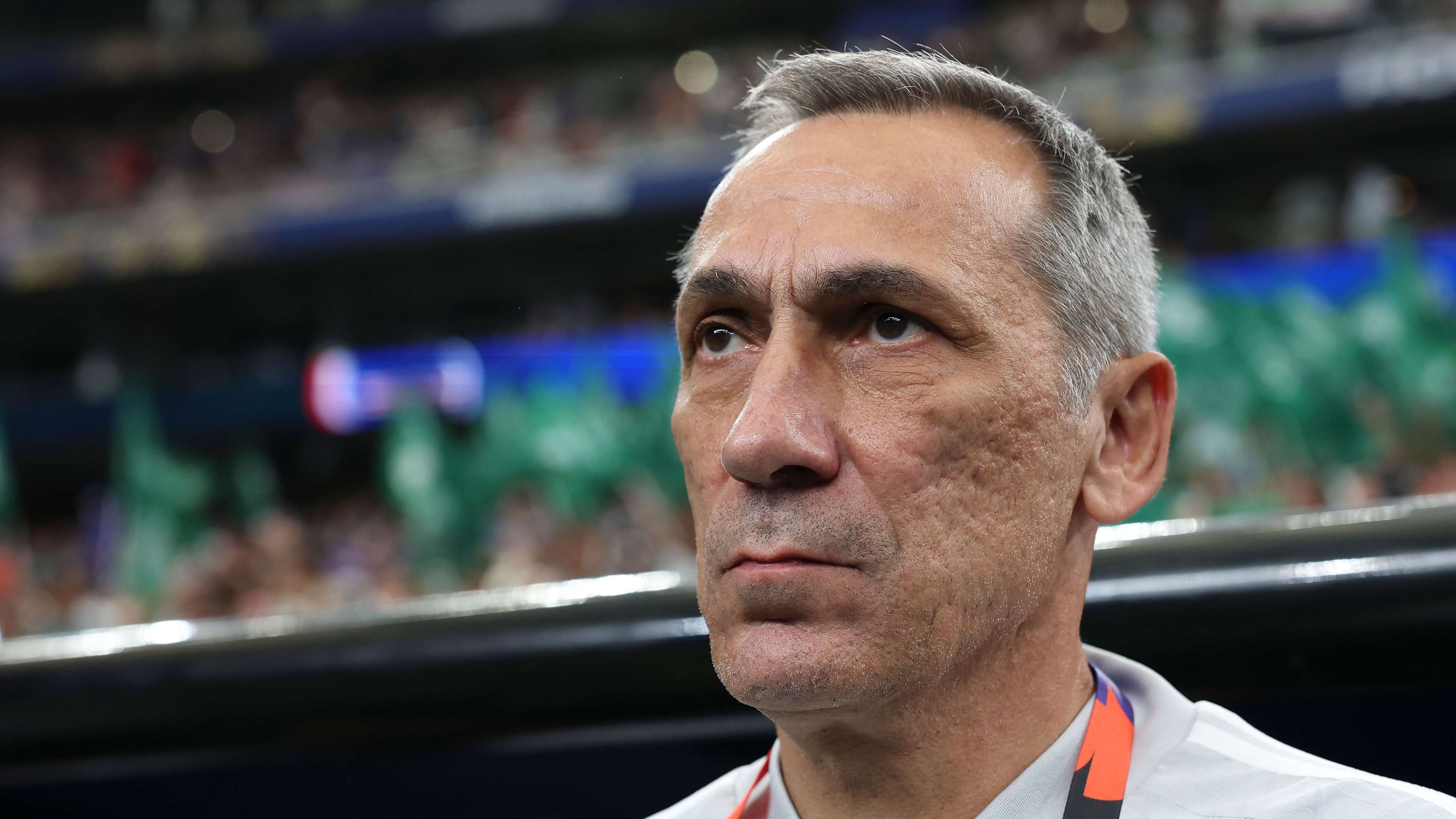
In the world of professional football, press conferences serve as pivotal moments where coaches and players communicate with the media, shape narratives, and sometimes, reveal their personalities beyond the pitch. However, not every attempt at humor lands as intended, and such moments can unexpectedly influence the perception of teams, coaches, and even the broader context of upcoming fixtures. Recently, Danish coach Jacob Friis found himself at the center of an awkward incident during a pre-match press conference, highlighting how even light-hearted jokes can backfire and what that means for football predictions and team dynamics.
The Incident: A Joke That Fell Flat
Ahead of Finland’s UEFA Nations League clash against Albania, coach Jacob Friis attempted to inject some levity into the proceedings. His comment, referencing Cristiano Ronaldo’s recent troubles with the Portugal national team, was intended as a humorous analogy about player availability and team readiness. Friis quipped, “Yesterday, none of the players left on a private jet, so they are all available. I have plenty of options.”
This remark was meant to be a playful jab at Ronaldo’s reported absence from Portugal’s training camp, implying that Finnish players were more accessible and thus better prepared for the upcoming game. However, the response from the assembled journalists was notably absent of amusement. The silence that followed underscored how even well-meaning attempts at humor can misfire, especially in the high-pressure environment of international football where every word is scrutinized.
The Significance of the Moment in Football Culture
While the incident might seem minor on the surface, it exemplifies a broader phenomenon in football: the delicate balance coaches and players must maintain between confidence, professionalism, and approachability. In an era where social media amplifies every statement, a poorly judged joke can quickly become a headline, influencing public perception and, potentially, predictions for upcoming matches.
Moreover, the incident sheds light on the importance of understanding cultural nuances. Friis’s attempt at humor was rooted in a familiar football narrative—player availability and team readiness—but the execution did not resonate with the media present. It highlights how communication styles vary across cultures and highlights the need for coaches to be mindful of their audience, especially when making remarks about high-profile players like Cristiano Ronaldo, whose career and image are under constant media scrutiny.
Impact on Football Predictions and Team Morale
Pre-match predictions are often influenced by a multitude of factors—team form, player availability, tactical setups, and even the psychological state of the team. An incident like this can subtly affect public perception and betting odds, which are integral to modern football predictions. When a coach appears defensive or awkward, it may lead fans and analysts to reassess the confidence level of the team, thus impacting predictions for the fixture.
Furthermore, the coach’s misstep can ripple into the team’s morale. Players often observe how their coach handles media interactions, and a moment of vulnerability or embarrassment can influence team confidence. While Finnish football has traditionally been known for its resilience and strategic discipline, moments like these remind us that football is not just about tactics but also about leadership and communication.
Lessons from the Incident: The Power of Words in Football
This incident underscores the importance of careful communication in football, especially for figures in leadership roles. Coaches and players must be prepared not only for tactical discussions but also for the unpredictable realm of media interactions. A well-crafted message can bolster team spirit and generate positive predictions, while a misjudged joke can do the opposite.
In the broader context, this moment serves as a reminder that in football prediction, every detail counts—from team line-ups to the tone of a coach’s remarks. The public’s perception of a team’s readiness can sway betting odds and expert forecasts, influencing the narrative leading up to a match.
Looking Ahead: The Role of Confidence and Public Relations in Football
As teams prepare for their upcoming fixtures, coaches are increasingly aware of the importance of media presence and public relations. A positive, confident demeanor can boost team morale and inspire fans, whereas awkward moments can create doubts—both in the minds of supporters and in the realm of football predictions.
For football enthusiasts and bettors, understanding the nuances of team communication and the psychological landscape behind the scenes adds a layer of depth to prediction models. It’s not just about statistical analysis but also about reading between the lines—recognizing how moments like Friis’s failed joke can influence perceptions and, ultimately, the likelihood of certain outcomes.
The Broader Context: The Human Side of Football
This incident also highlights the human element that underpins the beautiful game. Coaches, players, and staff are all susceptible to slips of the tongue, moments of nerves, and the desire to connect with the media. Recognizing this human factor can make football predictions more holistic, considering not just tactical data but also the emotional and psychological states of teams.
As the sport continues to evolve with technology and analytics, the importance of effective communication remains paramount. Moments of vulnerability, like Friis’s unintended silence, serve as valuable lessons for the football community about authenticity, cultural sensitivity, and the power of words in shaping the narrative of the game.
Conclusion: Navigating the Complexities of Football Prediction and Media
In the end, the incident involving Danish coach Jacob Friis offers a fascinating glimpse into the complexities of football leadership and communication. While a joke can sometimes lighten the mood, it can also backfire, influencing public perception, team morale, and even predictions for upcoming matches. As football continues to be a global spectacle, understanding the interplay between media, team dynamics, and prediction models becomes ever more crucial.
For fans, analysts, and bettors alike, staying attentive to these subtle cues can enhance their understanding of the game. After all, football is not just about the scores and tactics; it’s about the stories, the personalities, and the human moments that make each match unique.