
Liverpool’s Injury Crisis During International Break: A Deep Dive into the Financial and Sporting Impact
The international break has proven to be a challenging period for Liverpool Football Club, exposing vulnerabilities both on and off the pitch. As the world’s most popular sport, football constantly faces the unpredictable consequences of international fixtures, and this season’s break has left the Reds grappling with an alarming injury crisis. Beyond the immediate sporting setbacks, Liverpool now faces significant financial repercussions, with their wage bill skyrocketing due to injured stars. This comprehensive analysis explores the extent of Liverpool’s injury woes, the broader implications for football, and what predictions can be made about their upcoming fixtures amid this turmoil.
Injuries Strike Liverpool’s Star Players: A Heavy Price to Pay
Alexander Isak’s Unexpected Injury: A Setback for Liverpool’s Attack
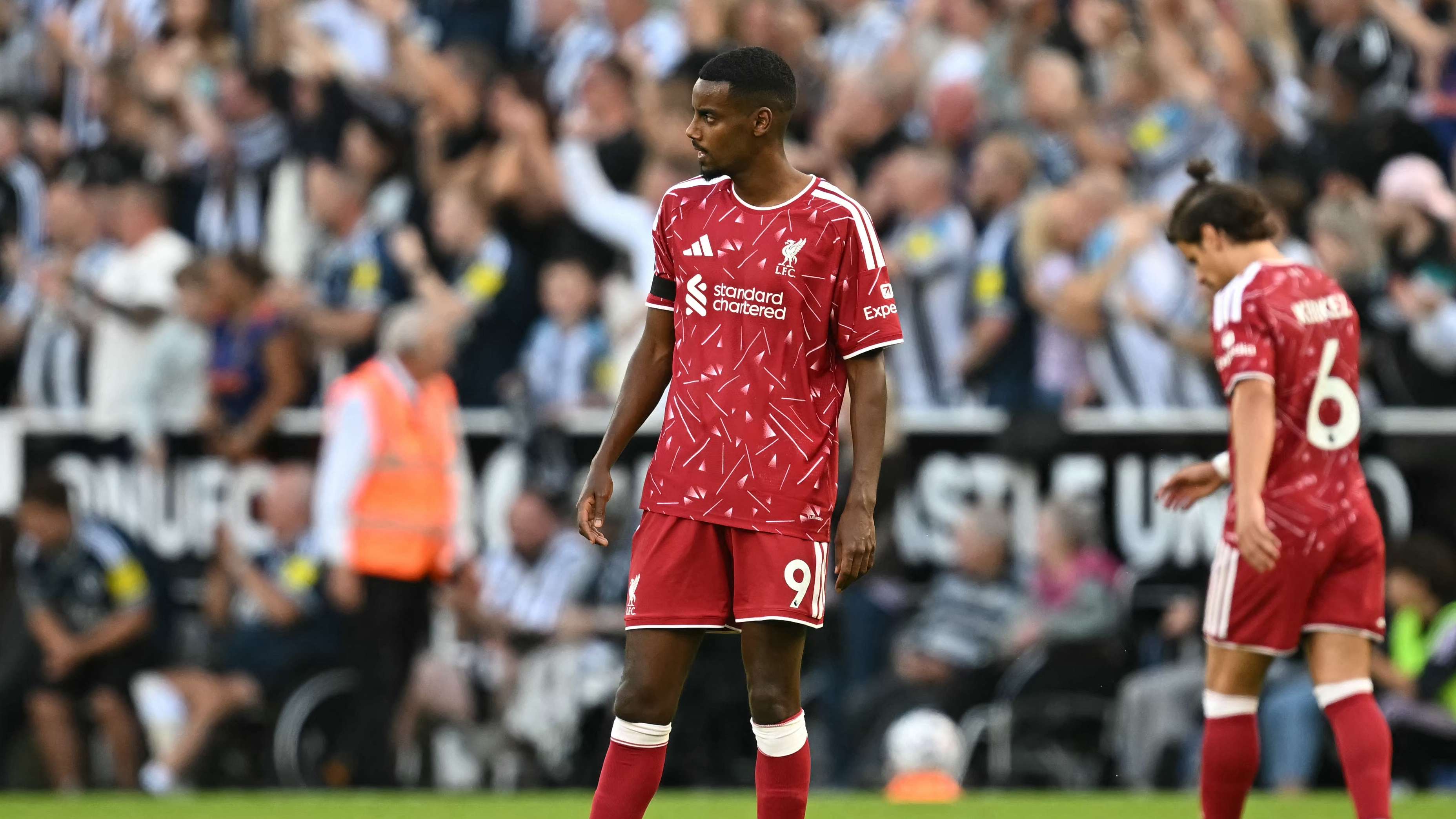
One of the first casualties during this international window was Swedish striker Alexander Isak, a marquee signing for Liverpool, valued at approximately £125 million and earning around £280,000 per week. Isak was representing Sweden in the UEFA Nations League, where he played the full 90 minutes and scored in their 2-1 victory over Romania. However, despite his contribution on the field, the Swedish national team confirmed that Isak sustained a thigh injury during the match, prompting an immediate withdrawal from the camp.
Following the injury, Isak was swiftly transported back to Liverpool’s “AXA” training centre, where the club’s medical team began a thorough assessment. The prognosis remains uncertain, but the injury’s timing could significantly impact Liverpool’s attacking options ahead of crucial Premier League fixtures, especially the highly anticipated clash against Manchester City scheduled for October 11.
Cody Gakpo’s Injury: A Critical Blow to Liverpool’s Forward Line
Just hours after Isak’s injury was reported, Liverpool faced yet another blow when Dutch forward Cody Gakpo went down during the Netherlands’ 2-1 victory over Serbia. Gakpo, earning approximately £250,000 weekly, suffered a severe ankle injury after a brutal challenge from Serbia’s Sasa Lukic in just the 17th minute of play. The incident prompted an immediate substitution, and Gakpo was seen clutching his ankle in pain, signaling the severity of the injury.
Initial reports suggest that Gakpo will undergo further medical examinations to determine the full extent of the damage. The timing couldn’t be worse for Liverpool, as their offensive line is already stretched thin, and the upcoming fixtures demand their key players be at full strength. The collective wage bill for these two injured stars now amounts to a staggering £530,000 weekly, representing a substantial financial burden for the club during this injury crisis.
The Broader Impact: Injuries Spreading Across Premier League Giants
While Liverpool bears the brunt of the injury fallout, they are not alone in suffering setbacks during this international window. Several top-tier Premier League clubs are grappling with their own injury concerns, which may influence predictions for the remainder of the season and upcoming matches.
Arsenal Faces Its Own Challenges
German midfielder Kai Havertz, who earns around £280,000 weekly, returned from international duty with a muscular injury after playing for Germany against the Netherlands. His early withdrawal from the match leaves Arsenal with a significant headache in midfield options, particularly as they aim to sustain their title challenge.
Manchester United’s Injury Woes
Manchester United has also been hit hard, with goalkeeper Patrick Dorgu, earning £40,000 per week, hobbling off during Denmark’s win over Wales. Furthermore, United’s captain Bruno Fernandes, a key figure in their squad with a weekly wage of £300,000, was revealed to have joined Portugal’s squad with an existing injury. Playing through pain, Fernandes’s condition worsened, ruling him out of upcoming fixtures, which could have implications for United’s prediction as they aim for a strong Premier League finish.
Chelsea’s Setbacks
Chelsea’s injury list grew longer with Jimmy Gittens, who earns around £120,000 weekly, suffering an ankle injury while playing for England’s Under-21s. Additionally, goalkeeper Mike Penders, earning £40,000 weekly, picked up a thigh injury while representing Belgium. These setbacks bring Chelsea’s injured players’ total weekly wage cost to approximately £160,000, impacting their squad depth and future predictions.
Other Clubs Affected
Aston Villa lost goalkeeper Zion Suzuki (£110,000/week) during Japan’s matches, while Sunderland saw striker Brian Brobbey (£65,000/week) and defender Dan Ballard (£50,000/week) suffer injuries during international duty. The cumulative financial impact across these clubs underscores how the international break, while crucial for national team competitions, can be costly for club sides in terms of player availability and wage commitments.
Financial Implications: The Cost of Injury in Football
In football, injuries are an inevitable part of the sport, but their financial toll becomes particularly stark when top players are sidelined. Liverpool’s current injury crisis has resulted in a weekly wage bill of approximately £530,000 for just two players—Alexander Isak and Cody Gakpo—both battling to recover in time for the pivotal clash against Manchester City. This figure highlights the hidden costs of international duty, where players are often pushed to their physical limits, risking injury that can have long-term repercussions for their clubs.
For Premier League giants, the financial strain extends beyond wages. The potential loss of key players influences team predictions, betting odds, and the overall narrative of the season. Clubs must now strategize around their injury lists, adjusting predictions for their league performance and European campaigns accordingly. The injury crisis also emphasizes the importance of squad depth and the need for clubs to invest in versatile players who can step in when stars are unavailable.
Predictions and Outlook: What’s Next for Liverpool and the Premier League?
As Liverpool awaits the results of detailed medical examinations, the football community is keenly watching their recovery timelines. The upcoming fixture against Manchester City is a critical test of their resilience, with pundits and fans questioning whether Liverpool can maintain their competitive edge despite the injury setbacks. Given the club’s financial commitments to their injured stars, the prediction for Liverpool’s season hinges heavily on their ability to manage these absences effectively.
Beyond Liverpool, the injury wave has the potential to reshape predictions across the Premier League. Teams like Arsenal, Manchester United, Chelsea, and Aston Villa must adapt their strategies, relying on squad depth and tactical flexibility to navigate this turbulent period. The injury crisis also underscores the importance of injury prevention measures, player fitness management, and effective recovery protocols—a hot topic in football predictions for the season ahead.
Conclusion: Navigating the Injury Crisis in Football Predictions
The international break has served as a stark reminder of the physical toll football players endure, with Liverpool’s injury crisis exemplifying the broader challenges faced by top clubs. As the season progresses, predictions will need to account for the impact of these injuries—not only on team performance but also on the financial stability of clubs heavily invested in star players.
Football fans and analysts alike must keep a close eye on injury updates, medical reports, and squad rotations to make accurate predictions about team standings, match outcomes, and the overall trajectory of the Premier League. In the ever-unpredictable world of football, injuries are a reminder that even the most meticulously planned predictions can be upended overnight, making every fixture a new chapter in the ongoing narrative of the beautiful game.