
FIFA Denies Reports of Promising Morocco the 2030 World Cup Final
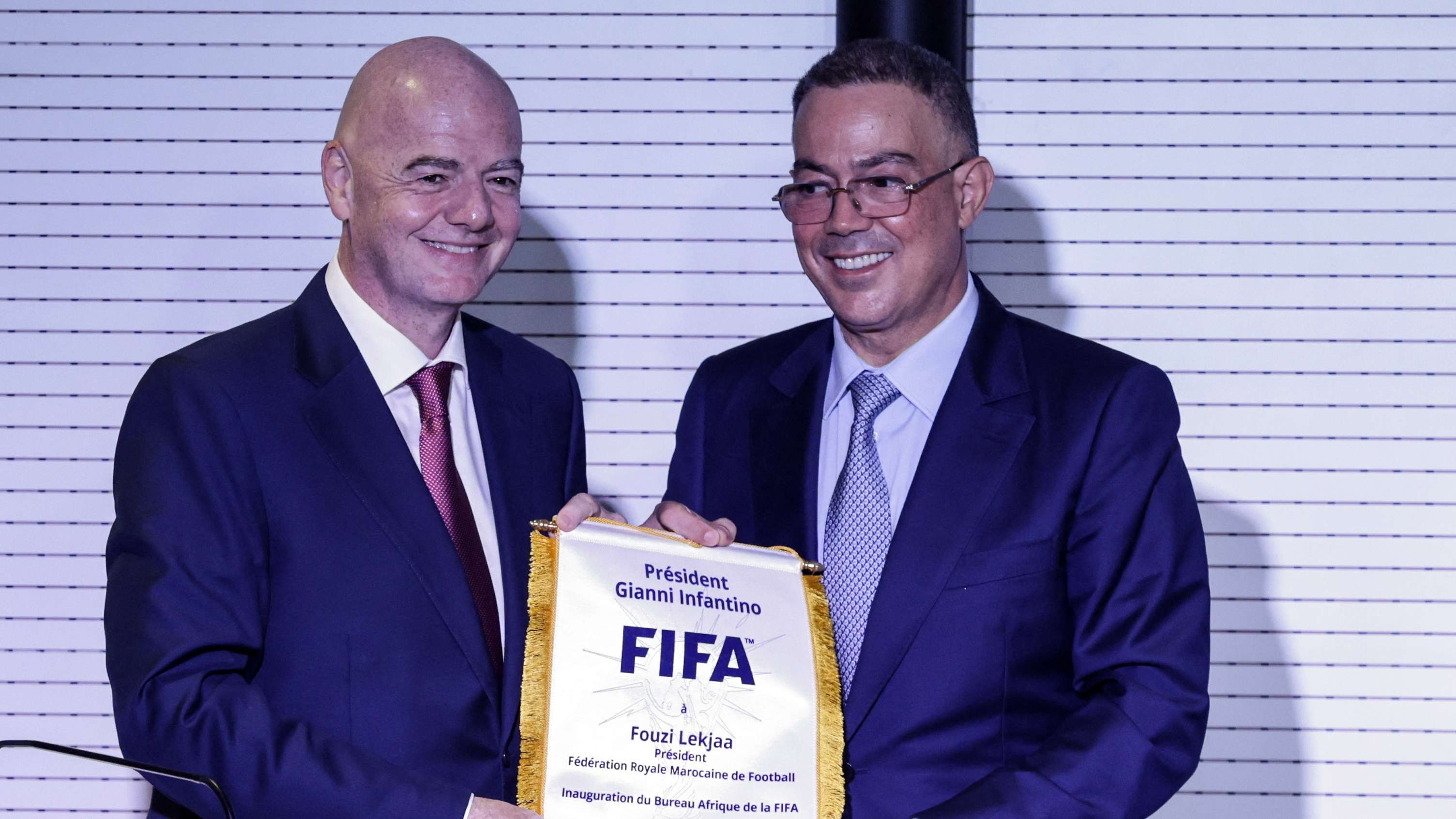
A recent report by British newspaper The Times claimed that FIFA President Gianni Infantino offered Morocco the hosting rights for the 2030 World Cup final in exchange for African support. The alleged deal was said to be contingent on Morocco publicly backing Infantino amidst calls for his resignation. However, FIFA has swiftly refuted these claims, stating that no promises were made regarding the final.
Background:
Morocco is set to co-host the 2030 World Cup alongside Spain and Portugal, with the potential of hosting the final at the Hassan II Stadium in Casablanca. The Moroccan authorities have expressed their desire to have the prestigious final at this 115,000-capacity venue, aiming to make it the largest football ground globally upon completion.
Meanwhile, the Santiago Bernabéu Stadium in Spain has been considered a strong contender to host the final match, given the close relationship between Infantino and Florentino Pérez, the president of Real Madrid.
FIFA’s Response:
A spokesperson for FIFA dismissed the reports, stating, “It is untrue and misleading to claim that the FIFA president made any promises regarding the staging of the 2030 World Cup final. FIFA will take its decision at the appropriate time.”
According to Spanish newspaper “AS,” Infantino recently met with his advisors in Morocco to address the ongoing crisis and devise a strategy following failed attempts to sell a portion of the World Cup’s rights to investment funds. The report highlighted the growing political ties between FIFA and Morocco, potentially jeopardizing Spain’s chances of hosting the final.
Spain’s Concerns:
While the Spanish Football Federation prefers the Santiago Bernabéu Stadium for the final, recent developments have raised doubts about FIFA’s decision-making process. The Federation has expressed confidence in retaining the final match at the Bernabéu, despite concerns about behind-the-scenes dealings with Morocco.
Infantino’s frequent visits to Morocco and the establishment of a FIFA office in the country have strengthened ties, leading to speculation about the final’s venue. In contrast, Spain’s relations with FIFA have reportedly deteriorated, with limited engagement between the Spanish prime minister and Infantino in recent times.
Conclusion:
The battle between Morocco and Spain to host the 2030 World Cup final continues, with conflicting reports and growing uncertainties surrounding the selection process. As FIFA prepares to make a decision on the final venue, both countries are vying for the opportunity to showcase their capabilities on the global stage.
Stay tuned for more updates as the race to host the 2030 World Cup final unfolds.
Spain’s Strong Bid for the 2030 World Cup Final
Spain, alongside Portugal, has been preparing for the opportunity to host the 2030 World Cup final, with the iconic Santiago Bernabéu Stadium in Madrid being the preferred venue. The historical significance and grandeur of the stadium make it an ideal setting for such a prestigious event. The Spanish Football Federation has been actively promoting their bid, highlighting the country’s rich footballing culture, infrastructure, and passionate fan base.
Moreover, Spain’s successful history of hosting major sporting events, including the 1982 FIFA World Cup, the 1992 Barcelona Olympics, and numerous UEFA Champions League finals, further solidifies their credentials as a capable host. The country’s well-developed transportation network, modern facilities, and experience in managing large-scale tournaments make it a compelling choice for FIFA to consider.
The Importance of Transparency in FIFA’s Decision-Making
Amidst the speculation and controversies surrounding the selection process for the 2030 World Cup final venue, transparency and fairness are crucial factors that FIFA must uphold. The integrity of the decision-making process should be maintained to ensure that the chosen host country is selected based on merit, suitability, and the best interests of the global football community.
While political considerations and personal relationships may play a role in such decisions, FIFA must prioritize transparency, accountability, and ethical standards to uphold the integrity of the sport. Any allegations of favoritism, backroom deals, or undue influence should be thoroughly investigated to preserve the credibility of FIFA and the World Cup.
Implications for the Future of World Cup Hosting
The ongoing competition between Morocco and Spain for the 2030 World Cup final hosting rights sheds light on the complexities and challenges of selecting host countries for major sporting events. As the bidding process evolves and becomes more competitive, FIFA must ensure that fairness, transparency, and sustainability are at the forefront of its decision-making criteria.
The outcome of the 2030 World Cup final venue selection will not only impact the participating teams and fans but also set a precedent for future host country selections. It is essential for FIFA to navigate the delicate balance between political considerations, commercial interests, and the spirit of fair play to uphold the values of the beautiful game and maintain the integrity of the World Cup.
Looking Ahead
As FIFA prepares to make a decision on the 2030 World Cup final venue, the global football community eagerly anticipates the announcement. The process of selecting the host country for such a significant event is a complex and multifaceted endeavor that requires careful deliberation and consideration.
Ultimately, the chosen host country must demonstrate its ability to stage a memorable and successful World Cup final that celebrates the spirit of football and unites fans from around the world. Whether it be Morocco, Spain, or another contender, the 2030 World Cup final promises to be a momentous occasion that showcases the best of the sport on a global stage.
Stay tuned for further developments as FIFA’s decision draws near, and the excitement builds for the 2030 World Cup final.