FIFA Council Rejects Proposal to Make Red-Card Suspensions Automatic
FIFA’s plans to tighten the rules governing red-card suspensions have hit a setback after the organisation’s council rejected a proposal that would have prevented automatic one-match bans from being overturned. FIFA vice-president Debbie Hewitt told the BBC that the proposal was discussed at a meeting in Zürich on Thursday, but did not win the council’s approval.
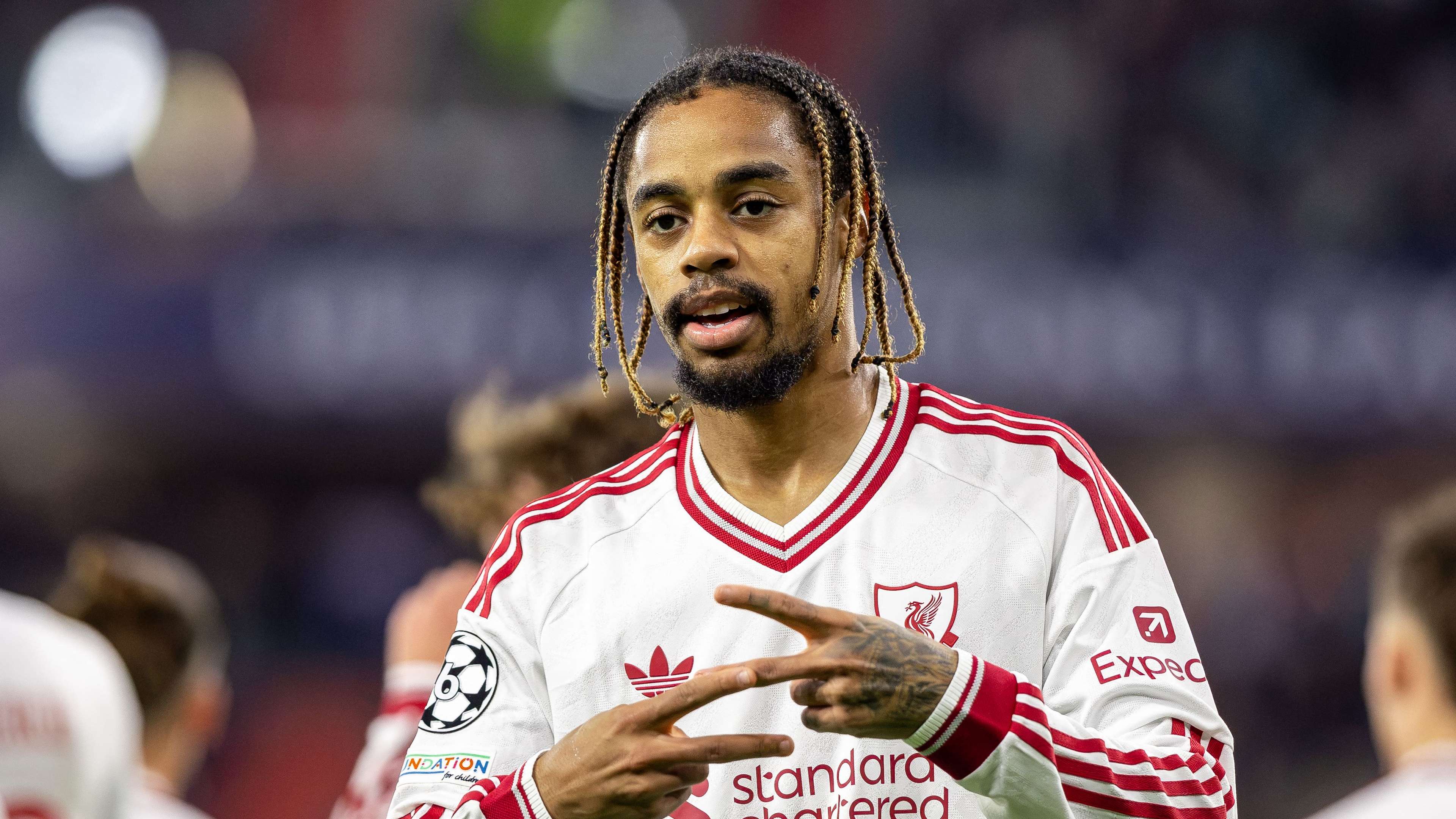
The decision comes amid renewed scrutiny of FIFA’s disciplinary procedures and leadership. The debate has been shaped in part by a controversial case at last summer’s World Cup, when forward Folarin Balogun’s suspension was converted into a suspended penalty, allowing him to remain available for his team’s next match. The circumstances surrounding that decision prompted questions about whether football’s rules were being applied consistently.
Proposal aimed to prevent repeat of World Cup controversy
Under the proposed rule change, a player receiving a red card would automatically serve a one-match suspension, with no option to convert that ban into a suspended penalty. Supporters of the amendment argued that a clearer, firmer standard could reduce uncertainty and help ensure that disciplinary decisions are applied consistently across the game.
However, the FIFA Council rejected the proposal, leaving the existing framework in place for now. The outcome means that the possibility of modifying a suspension may remain available under the relevant disciplinary procedures, depending on the circumstances and the decision-makers involved.
The earlier Balogun case also attracted attention because of reports that a phone call from US President Donald Trump to FIFA president Gianni Infantino may have influenced the decision to alter the suspension. The reported connection has not been established as fact in the information disclosed about the case, but it added to public concern over the independence and transparency of football governance.
For players, coaches and supporters, the rules around red cards can have immediate consequences. A single suspension may affect a team’s plans for a crucial knockout fixture, while uncertainty over whether a ban can be changed can fuel debate about fairness. A prediction about how FIFA will handle future cases is difficult to make, but Thursday’s vote suggests that a stricter automatic-ban policy is not yet assured.
World Cup share plan adds to pressure on Infantino
The red-card proposal was not the only contentious issue raised during the Zürich meeting. Council members also wanted answers from Infantino about several recent developments, including a much-discussed plan to sell shares in the World Cup. The proposal drew strong criticism, and Infantino ultimately withdrew it.
Hewitt said Infantino apologised at the meeting, but described the apology as unsatisfactory. Her concern, she indicated, was not simply that the plan had been proposed. It was that the FIFA Council had not been given the opportunity to review it before it became a public issue.
“One of the disappointing things was that we received no answers to a number of specific requests, such as access to documents concerning FIFA Forward Enterprise,” Hewitt told the BBC. The company was expected to handle the sale of World Cup shares. According to Hewitt, when she asked why the requested information had not been provided, council members were told to submit their questions in writing.
That response appears to have intensified concerns over how major commercial decisions are made within FIFA. A plan involving shares in the World Cup could carry significant financial and reputational implications, making access to relevant documents and a clear explanation of the proposal especially important to council members.
Calls for greater accountability
Hewitt said Infantino must answer the council’s questions, warning that a failure to do so would raise serious doubts about his suitability to lead FIFA. She also said the issue was raised directly during the meeting. In her account, Infantino’s apology focused on not presenting the share plan to the council, rather than fully addressing the council’s concerns about the proposal and the information surrounding it.
“If he regrets it so much, he should share that with us,” Hewitt said, arguing that an apology should be accompanied by meaningful disclosure. Her comments underline a broader governance question facing FIFA: how much influence elected council members have over decisions made by the organisation’s president and its commercial entities.
FIFA has not, in the material described by Hewitt, provided answers to the specific document requests she cited. Requiring questions to be submitted in writing could allow the organisation to respond formally, but it also leaves council members waiting for the information they say they need to assess the plan.
What the developments could mean for football
The council’s rejection of the suspension amendment and the dispute over the World Cup share proposal point to two different but connected challenges for FIFA. One concerns the consistency of disciplinary rules on the pitch; the other concerns transparency and accountability in the organisation’s commercial decision-making.
For football supporters, confidence in the sport depends not only on what happens during a match but also on whether decisions are seen as fair and properly explained. Red-card suspensions can influence tournament outcomes, while major commercial plans can affect how the World Cup is managed and presented. In both cases, clear procedures and accessible information can help limit speculation.
The immediate prediction is that debate over red-card suspensions will continue, particularly if another high-profile player receives a ban that is later changed. FIFA may revisit the proposal or consider a revised version, but Thursday’s vote shows that any effort to make suspensions strictly automatic would need broader support within the council.
Meanwhile, the World Cup share plan may remain a source of tension unless FIFA provides the documents and explanations requested by council members. Infantino’s apology has not, according to Hewitt, resolved the underlying questions. The next stage will depend on whether FIFA responds with further information and whether the council believes its concerns have been adequately addressed.
For now, the meeting has left football with no new rule on automatic one-match red-card bans and with unanswered questions surrounding a withdrawn World Cup business proposal. Both issues are likely to remain under scrutiny as FIFA faces calls to demonstrate that its decisions are transparent, consistent and accountable to the people responsible for governing the global game.