
2034 World Cup in Saudi Arabia Faces Scheduling Dilemma
The International Federation of Association Football (FIFA) is currently grappling with a crucial decision regarding the scheduling of the 2034 World Cup, set to be hosted by Saudi Arabia. With several factors at play, including the clash with the holy month of Ramadan, extreme summer temperatures, and other international events, the tournament’s date hangs in the balance.
Ramadan and Weather Concerns
The original plan was to hold the World Cup in November and December, similar to the 2022 edition in Qatar, to avoid the scorching summer heat in Saudi Arabia. However, the dates coincide with Ramadan in 2034, expected to fall between 12 November and 12 December. This presents logistical challenges such as fans and players fasting, altered working schedules, and disruptions to daily life in the Kingdom during the holy month.
Additionally, the summer months in Saudi Arabia reach unbearable temperatures of 40 to 45 degrees Celsius, making it impractical to host matches during this time. As a result, finding a suitable timeframe for the tournament is proving to be a complex task.
Consideration of Alternative Dates
One potential solution being explored is pushing the World Cup to the start of 2035. This would avoid the conflict with Ramadan and the Winter Olympic Games scheduled for January and February 2034 in Salt Lake City. While unconventional, this option seems to be the most realistic given the circumstances.
Expanding the tournament to 64 teams further complicates the scheduling dilemma, as more teams mean more matches and longer durations. Nonetheless, FIFA is evaluating all possibilities to ensure the smooth execution of the event.
A Departure from Tradition
If the 2034 World Cup is postponed to 2035, it would mark a departure from the traditional four-year cycle for the first time. This decision mirrors the Euro 2020’s postponement to 2021 due to the global pandemic, showcasing FIFA’s commitment to adapting to unforeseen challenges.
FIFA President’s Perspective
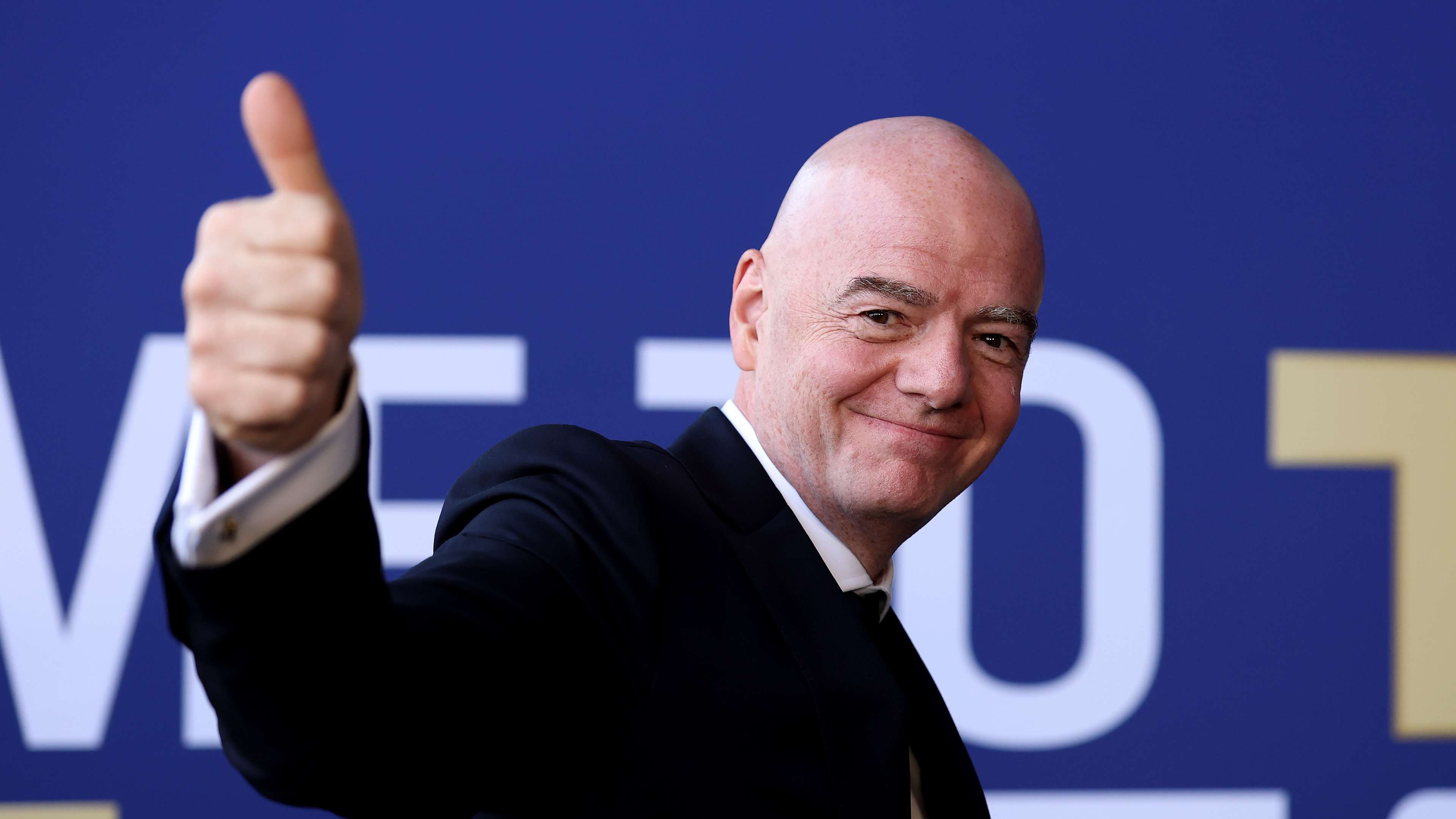
FIFA President Gianni Infantino emphasized the importance of flexibility in determining the tournament schedule. He highlighted the ongoing discussions within the governing body to find the optimal calendar arrangement for football events, considering various factors such as weather conditions and cultural observances.
Infantino stated, “We must keep our minds open until we reach the appropriate decision, considering the best interests of the players, fans, and the overall football community.”
Conclusion
As FIFA continues to deliberate on the scheduling dilemma for the 2034 World Cup in Saudi Arabia, fans and stakeholders eagerly await the final decision. The ultimate choice will not only impact the tournament’s logistics but also set a precedent for future global football events, emphasizing the importance of adaptability and foresight in the ever-evolving sports landscape.
Challenges of Expanding the Tournament
Expanding the World Cup to 64 teams presents a unique set of challenges that FIFA must navigate. With more teams participating, the tournament’s logistics become more intricate. From scheduling matches to accommodating additional teams, the expansion requires careful planning to ensure a seamless and successful event.
One of the main concerns with a larger tournament is the increased number of matches. More teams mean more games, potentially leading to fixture congestion and player fatigue. This could impact the quality of play and player welfare, prompting FIFA to consider alternative formats or scheduling arrangements to address these issues.
Global Football Landscape
The decision to postpone the 2034 World Cup to 2035 reflects the evolving nature of the global football landscape. As the sport continues to grow and expand its reach, governing bodies like FIFA are faced with new challenges and opportunities. Adapting to changing circumstances, such as the clash with Ramadan and the Winter Olympic Games, demonstrates FIFA’s commitment to prioritizing the needs of players, fans, and stakeholders.
Furthermore, the shift in the tournament schedule highlights the interconnectedness of international sporting events. Coordinating schedules to avoid conflicts and maximize audience engagement requires collaboration and strategic planning among various organizations and stakeholders. By navigating these complexities, FIFA aims to deliver a memorable and inclusive World Cup experience for participants and spectators alike.
Impact on Saudi Arabia
Hosting the World Cup is a significant opportunity for Saudi Arabia to showcase its culture, hospitality, and sporting infrastructure on the global stage. The tournament can boost tourism, stimulate economic growth, and create a lasting legacy for the country. By addressing scheduling challenges and ensuring a successful event, Saudi Arabia has the potential to leave a lasting impact on the world of football and beyond.
Moreover, the World Cup offers a platform for promoting diversity, inclusion, and unity through the universal language of football. As fans from different nations come together to celebrate the beautiful game, Saudi Arabia has the opportunity to foster connections, bridge divides, and promote mutual understanding among diverse communities.
Looking Ahead
As FIFA navigates the complexities of scheduling the 2034 World Cup in Saudi Arabia, the football world eagerly anticipates the final decision. The outcome of this deliberation will not only shape the future of the tournament but also set a precedent for how international sporting events adapt to changing circumstances and prioritize the well-being of participants.
Ultimately, the 2034 World Cup represents more than just a football tournament—it is a celebration of unity, diversity, and the enduring spirit of the beautiful game. By overcoming scheduling dilemmas and embracing flexibility, FIFA and Saudi Arabia have the opportunity to create a memorable and impactful event that resonates with fans around the world for years to come.