
FIFA Faces Scrutiny Over Allegations of Match-Fixing at World Cup
Despite the excitement and success of the recent World Cup, FIFA is now facing intense scrutiny over allegations of match-fixing. The Group of Copenhagen, an international advisory body dedicated to combating match-fixing in sports, has raised serious concerns about the integrity of the tournament and has demanded answers from FIFA.
Concerns Raised by the Group of Copenhagen
The Group of Copenhagen monitored all 104 matches at the World Cup for any signs of irregularities in betting behavior. While the full report has not been released to the public, sources indicate that there are seven specific examples that have raised red flags. These examples include instances of unusual betting patterns, such as large sums of money wagered on unexpected outcomes and suspicious betting behavior surrounding certain events in matches.
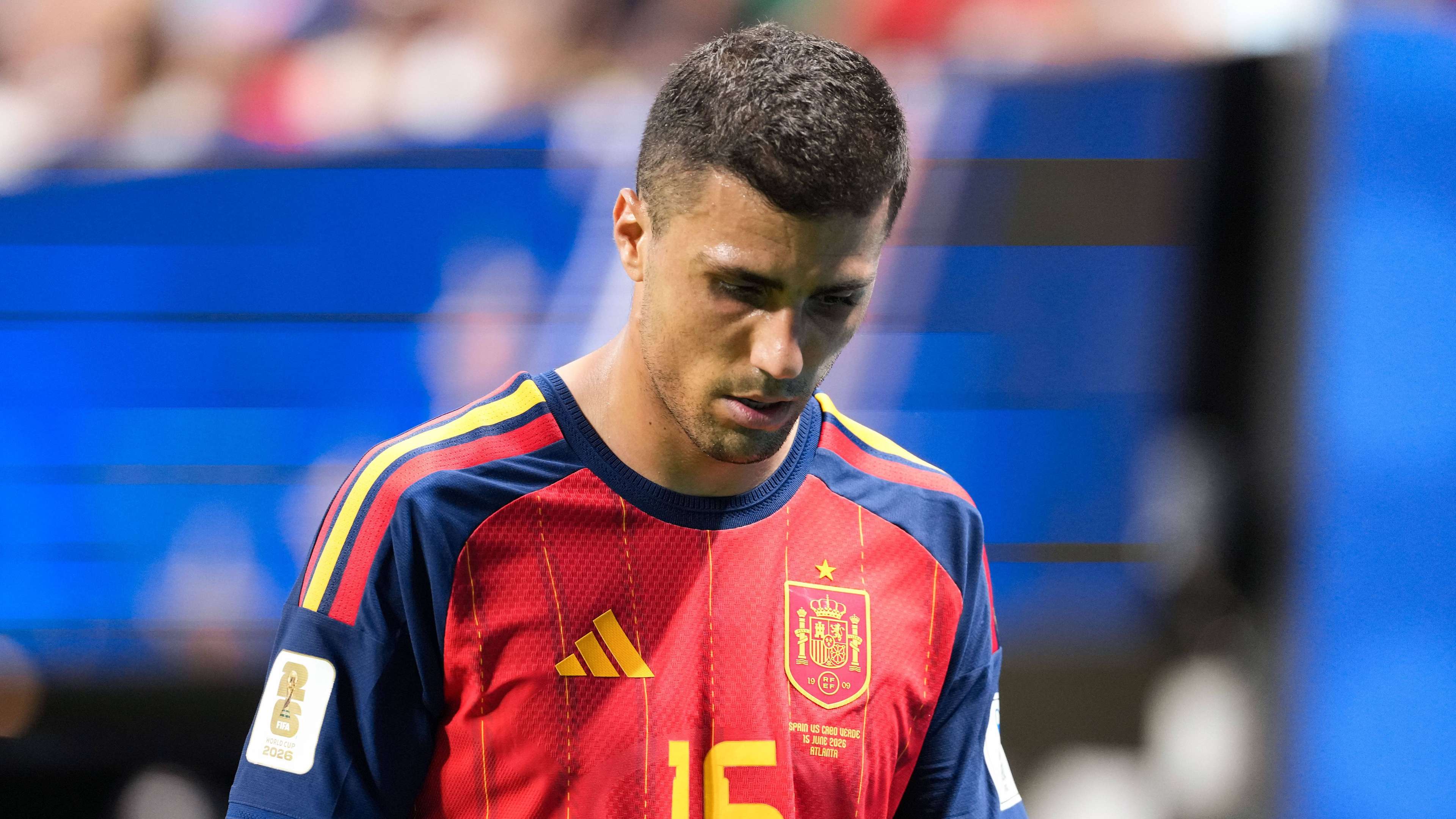
One notable example mentioned in the report is the red card shown to Themba Zwane in South Africa’s match against Mexico. Additionally, a significant amount of money was reportedly placed on Spain failing to win against Cape Verde, resulting in a surprising 0-0 draw. The report also highlights a controversial VAR decision that disallowed a goal by Ferran Torres in a match against Saudi Arabia.
However, the most attention-grabbing incident involves Folarin Balogun. Following his red card in a match against Bosnia and Herzegovina, a betting market immediately appeared speculating on his availability for the next match against Belgium. This occurred before it was officially announced that his suspension had been overturned, which only occurred three days later.
Request for Explanation from FIFA
The Group of Copenhagen has requested an official explanation from FIFA regarding these incidents, as they believe there are grounds for suspicion. This request has caused tension between the advisory body and FIFA, as the governing body previously claimed that there were no indications of match-fixing during the tournament.
Betting expert Christian Kalb has urged caution when interpreting these findings, noting that unusual betting patterns can sometimes be attributed to legitimate factors such as bookmakers hedging risks. However, the possibility of insider knowledge influencing betting behavior remains a serious concern.
Complexity of the Betting Market
The sheer scale of the betting market, with an estimated $240 billion wagered during the World Cup, adds another layer of complexity to the situation. This amount is nearly double the betting volume of the previous World Cup, indicating the growing popularity of sports betting.
Furthermore, the emergence of new prediction markets presents fresh challenges for maintaining oversight and integrity in football. Experts warn that without robust measures in place to monitor and regulate betting activities, the risk of match-fixing and corruption will continue to loom over the sport.
In light of these allegations, FIFA faces mounting pressure to address the concerns raised by the Group of Copenhagen and take decisive action to safeguard the integrity of football at all levels.
Impact on Fans and Players
Match-fixing allegations not only tarnish the reputation of the sport but also have a significant impact on fans and players. Fans invest their time, money, and emotions into supporting their favorite teams, and the discovery of match-fixing can lead to disillusionment and a loss of trust in the game. Players, on the other hand, may find themselves under suspicion and scrutiny, even if they are not directly involved in any wrongdoing. This can have detrimental effects on their mental well-being and performance on the field.
Global Ramifications
The allegations of match-fixing at the World Cup reverberate on a global scale, affecting not just FIFA but also the entire football community. The integrity of the sport is at stake, and if these allegations are proven true, it could have far-reaching consequences for the future of football. Sponsors, broadcasters, and fans may distance themselves from the sport, leading to financial losses and a tarnished reputation that could take years to repair.
Preventative Measures
In response to the growing threat of match-fixing, FIFA and other governing bodies must implement stronger preventative measures to safeguard the integrity of football. This includes enhancing monitoring systems to detect suspicious betting behavior, educating players and officials on the risks of match-fixing, and establishing clear protocols for reporting any suspicious activities. Collaboration with law enforcement agencies and betting regulators is also crucial to combatting this pervasive issue.
Transparency and Accountability
Transparency and accountability are key principles that must guide FIFA’s response to the allegations of match-fixing. The organization must be forthcoming with information, conduct thorough investigations, and hold those responsible accountable for their actions. By demonstrating a commitment to upholding the integrity of the sport, FIFA can rebuild trust with fans, players, and stakeholders and ensure that football remains a fair and competitive game.
Educating the Public
Another important aspect of combating match-fixing is educating the public about the risks and consequences of engaging in such activities. Fans, players, and even individuals involved in the betting industry need to understand the impact of match-fixing on the integrity of the sport and the broader implications for society. By raising awareness and promoting ethical behavior, FIFA can create a culture that rejects corruption and upholds the values of fair play and sportsmanship.
Looking Ahead
As FIFA navigates the fallout from the allegations of match-fixing at the World Cup, the organization must prioritize integrity, transparency, and accountability in its response. By taking swift and decisive action to address these concerns, FIFA can protect the future of football and ensure that the beautiful game remains a source of joy and inspiration for fans around the world.