
Ahmed Shobeir Reveals Details of Mohamed Salah’s Meeting With Egypt FA President
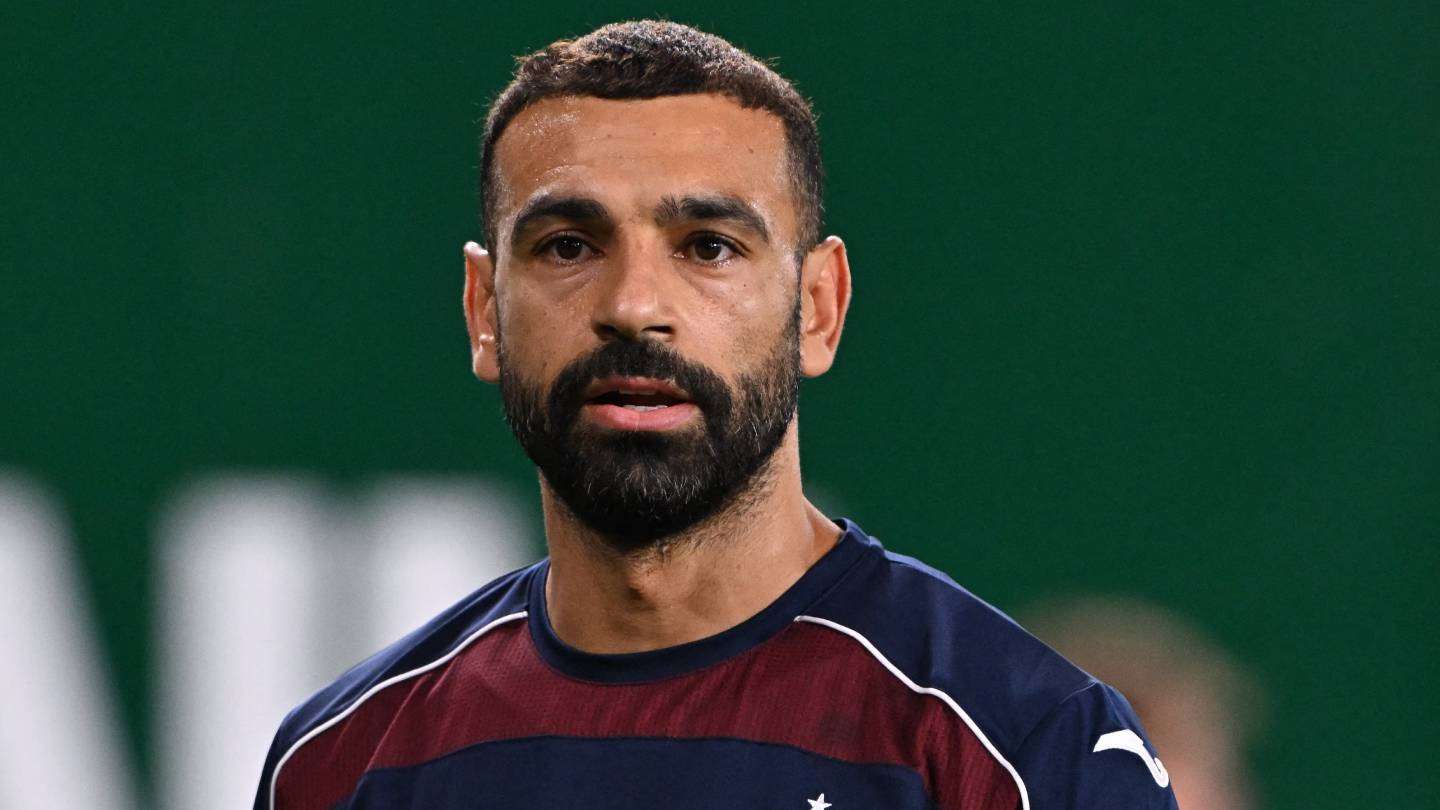
Egyptian media personality Ahmed Shobeir has shared new details about a meeting between national team captain Mohamed Salah and Egyptian Football Association president Hany Abo Rida during the official’s recent visit to Turkey. The discussion focused on Salah’s relationship with the Pharaohs, his future in international football and the importance of keeping communication open between the star and the national team leadership.
Speaking on his radio programme, Shobeir described the conversation as candid and constructive. The meeting came after Abo Rida watched Trabzonspor defeat Gaziantep 2-0, then attended a dinner with Salah and several officials. The setting, Shobeir suggested, gave both sides an opportunity to speak directly and address matters that may be harder to resolve through public statements or informal messages.
Abo Rida’s Message to Egypt’s Captain
According to Shobeir, Abo Rida made clear how strongly Egyptian supporters value Salah and want him to continue representing the national team. The association president reportedly encouraged the forward to remain captain and carry on his international career, underlining the affection and expectations of fans across the country.
“They spoke about everything, as far as I know,” Shobeir said. “Abo Rida assured Salah how much people love him and are attached to him, and that he should continue his journey as captain of the Egypt national team.”
The reported message reflects the importance of Salah beyond his performances on the pitch. He is one of Egypt’s most recognisable sporting figures, and his presence gives the national side a focal point for supporters as well as a source of experience for younger players. Any uncertainty around his international future is therefore likely to attract close attention from fans and football observers.
An Open Conversation About the Future
Shobeir said the meeting was frank, with both parties given the chance to listen and explain their positions. That approach matters in a national team environment, where selection decisions, leadership responsibilities and expectations can sometimes create tension. Direct dialogue can help clarify concerns before they grow into a wider dispute.
The atmosphere may also have been eased by positive comments from Ibrahim Hassan, the national team director. Shobeir noted that Hassan had praised Salah’s professional attitude, his importance to the squad and the respect he receives from the coaching staff. Such public recognition can reinforce the message that the captain remains valued, even when technical decisions or tactical changes are being discussed.
For Egypt, maintaining a productive relationship with Salah is not simply a matter of sentiment. The team’s preparations for upcoming international fixtures depend on clear communication among players, coaches and federation officials. A settled environment can help the squad focus on training and performance rather than speculation about personalities or internal disagreements.
Why Salah’s Role Remains So Significant
Shobeir argued that a player of Salah’s calibre is exceptionally rare in Egyptian football. He urged officials not to allow frustration or misunderstanding to prevent an honest conversation, stressing that the country should make every effort to preserve its relationship with the forward.
“There is nothing to prevent us, even if he is upset, saddened or annoyed, from sitting down and talking with him, opening our hearts, and finding out what the problem is and what is bothering him,” Shobeir said. “We will not produce a Mohamed Salah every 50 years.”
The point speaks to the wider challenge facing national teams: managing elite players while balancing the needs of the squad as a whole. Salah brings international experience, leadership and a proven ability to influence matches. At the same time, coaches must make decisions based on form, fitness, tactics and the demands of each opponent. Strong communication can help ensure those decisions are understood without diminishing the player’s standing.
Shobeir expressed hope that the meeting would have a positive effect on Salah’s mood and that the captain would join Egypt’s next training camp in good spirits. While the conversation alone cannot determine future results, a confident and engaged Salah would be a major boost for the Pharaohs as they prepare for their next competitive tests.
Hossam Hassan and Salah: Dialogue Alongside Technical Decisions
Shobeir also addressed Salah’s relationship with Egypt head coach Hossam Hassan. He said Hassan understands the value of leading players, drawing on his own distinguished career as an international footballer. That experience, in Shobeir’s view, should support a relationship built on respect and clear discussion.
Technical choices—including decisions about a player’s role, minutes or position—are part of a coach’s responsibility. But Shobeir argued that making those calls does not rule out consultation with the captain. Dialogue between Hassan and Salah would not weaken either man’s authority; instead, it could strengthen trust and help the team operate with a shared understanding of its objectives.
That balance will be important as Egypt looks to combine established stars with emerging talent. A captain’s influence can extend beyond matchday, shaping standards in training and helping younger teammates adapt to the pressures of international competition. Meanwhile, a coach needs the freedom to build a tactical plan suited to the squad and the opposition.
What the Meeting Could Mean for Egypt’s Next Campaign
The meeting in Turkey, as described by Shobeir, appears to have been an effort to reinforce the connection between Salah and the national team rather than a formal announcement about his future. No specific outcome or commitment was reported, so supporters will likely look to Salah’s participation in upcoming camps and matches for clearer signs of what comes next.
For now, the central message is that Egypt’s football leadership wants its captain to feel respected and supported. Fans will hope the conversation leads to a positive atmosphere around the squad, with Salah continuing to lead the Pharaohs and contribute on the field. Any prediction about Egypt’s prospects must account for several factors—including player fitness, coaching decisions and the strength of upcoming opponents—but keeping a key figure settled would give the team a stronger foundation.
Shobeir’s comments also underline a broader lesson for international football: when a player holds unusual importance to a country’s sporting identity, open and timely communication is essential. Egypt cannot rely on reputation alone to succeed, but preserving mutual respect between Salah, the coaching staff and the federation could help the team approach its next chapter with greater unity and confidence.