
Feyenoord Fined €7,500 After Fireworks Injure Cambuur Supporters
Feyenoord have been fined €7,500 and given a suspended sanction after fireworks thrown during an away match against SC Cambuur injured seven people. The Royal Dutch Football Association (KNVB) announced its decision on Wednesday, following an incident that raised renewed concerns about supporter safety at Dutch football matches.
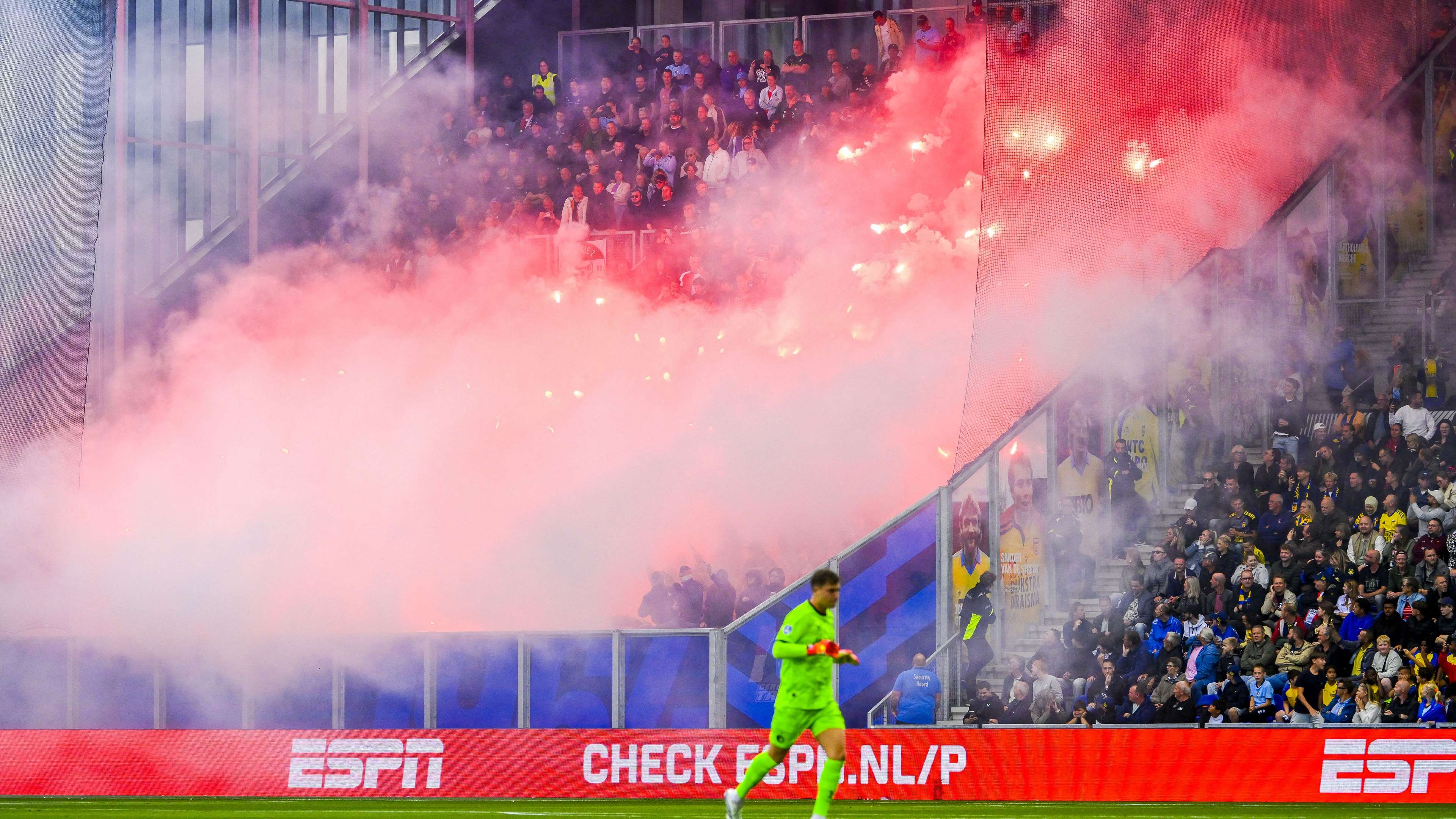
The disciplinary case relates to the fixture played on 23 August. During the 12th minute, fireworks were set off in the section occupied by Feyenoord supporters. Some devices landed among Cambuur fans, causing injuries that included burns, eye damage and hearing problems. Feyenoord goalkeeper Tjark Ernst also narrowly avoided being struck by a rocket.
What Happened During the Cambuur Match?
The incident unfolded early in the game, disrupting the match and putting spectators and players at risk. Fireworks can cause serious harm even when they are not aimed directly at anyone: rockets may change direction, land unpredictably or explode close to people. In this case, supporters in the home section were among those injured.
Seven people required medical attention for a range of injuries. The reported effects included hearing damage, burns and eye injuries, highlighting the potential consequences of pyrotechnics in crowded stadiums. The near miss involving Ernst further illustrated how quickly an incident in the stands can endanger people on the pitch as well as those in the crowd.
Football authorities regularly warn that fireworks are not harmless displays. Their use inside or around a stadium can create fire hazards, obscure visibility and trigger panic, particularly when devices land in areas filled with spectators. The Cambuur match is a stark example of how a small number of actions can put many people at risk.
KNVB Sanction Includes a Suspended Away-Fan Ban
The KNVB’s punishment consists of a €7,500 fine and a suspended requirement for Feyenoord to play one match without away supporters. The suspended measure means the club will not automatically be forced to stage its next away fixture without fans, but the sanction could be activated if the conditions set by the association are breached.
Feyenoord have accepted the decision. The club’s response after the match was a factor in the KNVB’s assessment of the case and helps explain why the association imposed a sanction that has been described as relatively lenient compared with the seriousness of the injuries.
Feyenoord Identified 47 Suspects
Following the incident, Feyenoord said it had identified 47 people believed to have been involved and immediately imposed stadium bans. The club also chose not to take away supporters to its subsequent matches against PEC Zwolle and NEC.
Those steps represent a significant response beyond the financial penalty. Stadium bans can prevent identified individuals from attending matches, while restrictions on away travel affect the wider supporter group. By voluntarily leaving fans behind for two fixtures, Feyenoord demonstrated that it was prepared to take immediate action while the investigation and disciplinary process continued.
Clubs face a difficult balance when responding to misconduct: they must hold individuals accountable while avoiding unnecessary punishment for supporters who played no part in an incident. Identifying suspected perpetrators is therefore important, although the effectiveness of any ban depends on accurate identification, enforcement and cooperation between clubs, stadium operators and authorities.
Why the Decision Matters for Dutch Football
The KNVB ruling sends a clear message that fireworks-related violence can bring consequences for both individuals and clubs. The fine is only one part of the outcome; the suspended away-supporter sanction also leaves Feyenoord exposed to a further penalty if future incidents occur under the terms of the decision.
For clubs, the case reinforces the importance of prevention as well as punishment. Security checks, surveillance, clear reporting procedures and cooperation with police can all help reduce the risk of pyrotechnics entering stadiums. Supporter groups also have a role to play in discouraging dangerous behaviour and ensuring that a matchday atmosphere does not come at the expense of public safety.
The incident may also influence how supporters assess the consequences of using fireworks at football matches. A device intended as a display can cause lasting physical harm, lead to stadium bans and place restrictions on thousands of other fans. The injuries at Cambuur show why authorities continue to treat pyrotechnics as a serious safety issue rather than a minor breach of stadium rules.
What Happens Next for Feyenoord?
Feyenoord’s upcoming schedule will now be viewed alongside the suspended sanction, although the KNVB has not announced that the club must play its next match without away support. The key question is whether the club can prevent a repeat incident and meet the requirements attached to the suspended measure.
Supporters looking ahead to Feyenoord’s next fixtures should keep an eye on official club and competition announcements, particularly regarding away-ticket arrangements. Any future disciplinary action could affect travel plans, while the club’s response to the Cambuur incident may shape how it manages supporter safety throughout the season.
For now, the outcome combines a financial penalty with a warning that further trouble could bring a more direct sporting consequence. The case is a reminder that football predictions and match discussions are only one part of the game: safe access to the stadium and the protection of fans, players and staff remain essential to every fixture.